
Advice
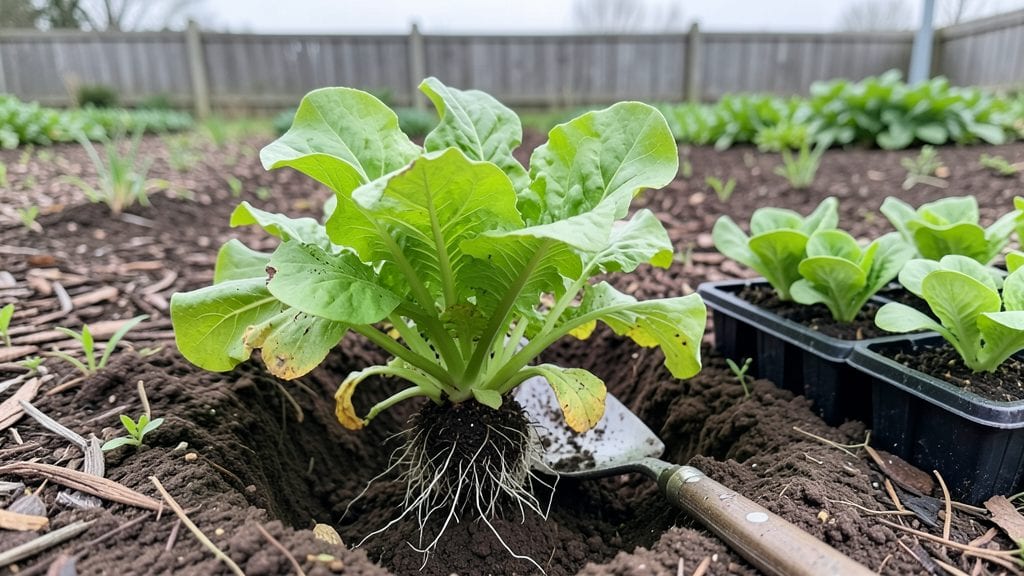
An introduction to gardening doesn’t require a green thumb—just curiosity and a willingness to learn. 🌱
Imagine plucking fresh tomatoes from your own backyard or watching vibrant flowers bloom from seeds you planted—gardening turns anyone into a nature creator, not just a spectator.
Whether you're a curious beginner or a city dweller with a balcony, these first steps will help you grow your confidence (and your green thumb) with ease.
You don’t need a sprawling backyard or expensive tools to start. The key is understanding simple basics like sunlight needs, soil types, and watering principles—all of which I’ll break down so you can skip the guesswork.
By the end, you’ll know exactly what to plant, when to plant it, and how to keep it thriving in your USDA Zone 6a climate.
From choosing easy-to-grow plants to mastering essential tools, this guide gives you everything you need to turn your first gardening dreams into reality—without the overwhelm.
Understanding the basics of gardening for absolute beginners
Gardening starts with understanding what your plants truly need to thrive. Every plant has unique biological requirements, but three core elements—sunlight, water, and soil—form the foundation of success.
Think of these as the "big three" that determine whether your seeds grow into healthy plants or wither away. My first garden taught me that ignoring these basics can be frustrating, but mastering them early will save you time and heartache later.
Before you even pick up a trowel, take a moment to observe your space. Most plants need at least 6 hours of sunlight daily, but some thrive in partial shade. Watering habits matter just as much—overwatering can drown roots, while underwatering stresses plants.
And don’t underestimate soil quality: rich, well-draining soil is the difference between a struggling plant and one that flourishes. Let’s break down each of these essentials so you can start confidently.
| Element | Key Requirement | Beginner Tip |
|---|---|---|
| Sunlight | 6+ hours/day (full sun) or 3-6 hours (partial shade) | Use a sunlight tracker app to map your garden’s light exposure. |
| Water | 1-2 inches/week (deep soak, not frequent shallow water) | Water in the morning to reduce evaporation and fungal risks. |
| Soil | Well-draining, rich in organic matter (pH 6.0-7.0 ideal) | Test your soil with a DIY kit ($10) or send a sample to your local extension office. |
| Fertilizer | Balanced (10-10-10 NPK) every 4-6 weeks in growing season | Start with compost—it’s free, natural, and improves soil structure. |
| Plant Spacing | Follow seed packet guidelines (e.g., 12" apart for tomatoes) | Overcrowding leads to disease and poor air circulation. |
Let’s start with sunlight, the most critical factor for plant growth. Plants are categorized into three groups: full sun (6+ hours), partial shade (3-6 hours), and full shade (less than 3 hours). For example, tomatoes and peppers crave full sun, while hostas and ferns thrive in shade.
Before planting, spend a day noting where sunlight hits your garden. Use a sun calculator or simply observe shadows at different times of day.
Next, watering is an art, not a science. Most plants prefer deep, infrequent watering over shallow, daily sprinkles. This encourages roots to grow deeper, making plants more drought-resistant. A good rule of thumb: water when the top 1-2 inches of soil feel dry.
Use your finger to check—if it’s dry, it’s time to water. Morning is the best time to water because it reduces evaporation and gives plants a full day to absorb moisture before nightfall.
Now, let’s talk soil, the unsung hero of gardening. Healthy soil is teeming with microorganisms that break down organic matter into nutrients plants can use. A simple soil test (available at garden centers for under $10) will tell you your soil’s pH level and nutrient content.
Most vegetables prefer a slightly acidic to neutral pH (6.0-7.0). If your soil is heavy clay or sandy, amend it with compost or peat moss to improve drainage and fertility.
Don’t forget about plant biology basics. Plants need photosynthesis to grow, which is why sunlight is non-negotiable. They also require macronutrients like nitrogen (for leaves), phosphorus (for roots), and potassium (for overall health).
While you can buy synthetic fertilizers, organic options like compost tea or fish emulsion are gentler and build soil health long-term. Start with a balanced 10-10-10 fertilizer to avoid overloading plants with one nutrient.
Finally, plant spacing is often overlooked but crucial. Crowded plants compete for nutrients, water, and airflow, leading to weaker growth and increased disease risk. Always follow the spacing guidelines on seed packets or plant tags.
For example, basil needs 12-18 inches between plants, while carrots can be sown just 2 inches apart. A well-spaced garden is a healthy garden.
To tie it all together, here’s my beginner’s checklist before planting: 1.
Essential gardening tools and supplies every beginner needs
Starting your gardening journey doesn’t require a warehouse full of tools—just the right fundamentals to make planting, nurturing, and harvesting a breeze. I learned early on that quality tools save time and frustration, while budget-friendly options prove you don’t need to break the bank.
Focus first on versatile tools that handle multiple tasks, then expand as you gain confidence.
Your first priority should be hand tools like a sturdy gardening trowel and pruners. These are workhorses for digging, transplanting, and shaping plants. Pair them with durable gloves to protect your hands from thorns and blisters.
Don’t overlook a watering can or hose attachment—consistent moisture is key to success, and the right tool makes it effortless.
Beginner Gardening Tools & Supplies: Pros and Cons
Hand Trowel
- Pros: Essential for digging, planting, and transplanting
- Cons: Small size limits heavy-duty use
Pruners
- Pros: Sharp blades make clean cuts for pruning
- Cons: Requires regular sharpening for best results
Garden Gloves
- Pros: Protects hands from thorns and dirt
- Cons: Can reduce dexterity for small tasks
Potting Soil
- Pros: Lightweight and nutrient-rich for containers
- Cons: Dries out faster than in-ground soil
Watering Can
- Pros: Precise watering for seedlings and potted plants
- Cons: Slower than a hose for large areas
Fertilizer
- Pros: Boosts plant growth and flower/fruit production
- Cons: Overuse can burn plants or pollute water
For containers and soil, start with a few durable pots (plastic or terracotta) and a bag of high-quality potting mix. Avoid garden soil from your yard—it’s too dense for containers and lacks nutrients.
If you’re planting directly in the ground, a shovel and rake will help prep the soil, but these can wait until you’re ready to expand.
I recommend starting with organic fertilizers like compost or slow-release granules. They’re gentler on plants and easier to use than chemical options. Pair them with a moisture meter (a small investment!) to avoid over- or under-watering—two of the biggest mistakes beginners make. Remember, consistency is more important than perfection.
When shopping for tools, prioritize ergonomic designs to reduce strain on your hands and back. A $15 trowel might feel flimsy, but a $25 ergonomic model will last years and make gardening more comfortable. Look for budget brands like Fiskars or Radius for reliable quality without the premium price tag.
Finally, keep a small notebook or app to track your progress. Note which tools you use most, what plants thrive, and any challenges you face. This will help you refine your setup as you grow—both your plants and your gardening skills! 🌱