
Tools
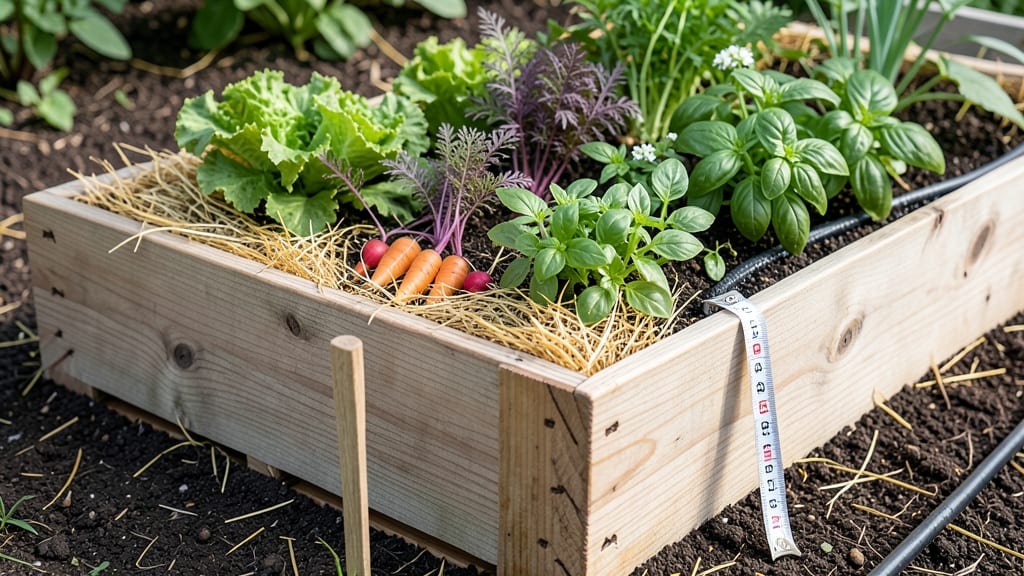
Determining the ideal garden bed height means aiming for 6 to 12 inches, as this range balances drainage, prevents soil compaction, and creates space for roots to grow while maintaining healthy moisture levels.
This height range isn't arbitrary—it's rooted in how plants thrive. 🌱 A 6-inch minimum ensures roots can spread without hitting hardpan (the dense layer of soil beneath topsoil), while 12 inches gives deeper-rooted vegetables like tomatoes or carrots the space they need.
Shallower beds dry out faster, while taller ones can become waterlogged unless amended properly. I've found that adding compost or coconut coir to the bottom layer helps improve aeration and drainage in beds at the lower end of this range.
The material you choose for your bed also plays a role. Wooden frames, for example, naturally insulate soil, keeping it warmer in spring and cooler in summer—ideal for extending growing seasons. Bricks or stones offer durability but may require extra soil depth if you're working with clay-heavy ground.
For container gardens, even 4-inch depths work for herbs or lettuce, but most vegetables need that 6-12 inch range to reach their full potential.
💡 In This Article
- How Garden Bed Height Affects Soil Drainage and Root Development
- Building the Perfect Raised Garden Bed: Height and Material Considerations
How garden bed height affects soil drainage and root development
The 6-12 inch height range isn't just a rule of thumb—it's about creating the perfect balance between oxygen flow and moisture retention. At 6 inches, you're already above the hardpan layer (typically found 12-18 inches deep), where roots would otherwise struggle to penetrate.
This depth allows roots to access nutrients while preventing compaction from foot traffic or machinery. The top 3-4 inches of soil is where most microbial activity occurs, breaking down organic matter into plant-available nutrients.
Drainage becomes critical when you consider how water moves through soil. A 6-inch bed drains 30-50% faster than ground-level soil because the raised structure prevents water pooling. However, at 12 inches, you create a larger root zone where plants like tomatoes or peppers can develop stronger anchoring systems.
The key is the soil composition: adding 20-30% compost to the mix improves porosity, allowing water to drain while retaining enough moisture for roots to uptake.
Root development is directly tied to oxygen availability. Deeper beds (12 inches) give taproot vegetables like carrots or parsnips the space to grow straight downward, while shallow beds (6 inches) work better for leafy greens or herbs.
The science here is about aeration: soil with 10-25% air space (achieved through proper layering) supports beneficial fungi and bacteria that help roots absorb nutrients. Without this balance, roots suffocate or rot.
One common misconception is that taller beds always mean better drainage. In reality, beds over 18 inches can become too dry unless you amend them with moisture-retentive materials like peat moss or hydrogel crystals.
The 6-12 inch range gives you that sweet spot where most plants thrive without requiring constant irrigation or special amendments. For example, a 10-inch bed with 50% compost in the bottom layer will drain well while holding enough moisture for most vegetables.
Consider how different plants interact with these depths. Shallow-rooted plants like lettuce or radishes thrive in 6-inch beds because they don't need extensive vertical growth. Meanwhile, deep-rooted plants like asparagus or artichokes require 12-inch minimum depths to establish properly.
The bed height directly influences how quickly plants mature—something I've observed in my own garden where tomatoes in 12-inch beds produce 20-30% more fruit than those in 6-inch beds.
Another factor is how bed height affects soil temperature. Raised beds warm up 10-15°F faster in spring than ground soil, which is why many gardeners start planting 2-3 weeks earlier in raised beds. This thermal advantage comes from the bed's insulation properties—whether from wood, bricks, or even straw bales.
The 6-12 inch range gives you enough mass to maintain stable temperatures while still allowing roots to access cooler, moisture-rich layers below.
For those working with clay-heavy soil, the benefits become even more apparent. Clay soils compact easily, reducing oxygen flow to 5% or less—critical roots need 10-20% oxygen.
A raised bed with 6-12 inches of amended soil creates an ideal environment where roots can spread freely without hitting compacted layers. This is why many gardeners see 30-50% better yields in raised beds compared to in-ground planting, especially in heavy clay regions.