
Picking
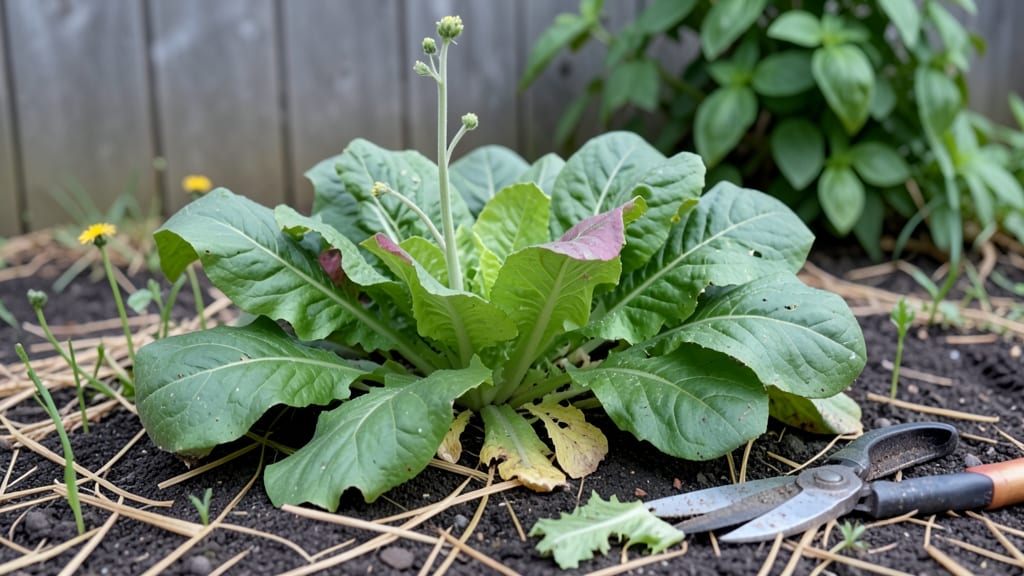
Learning how to trim lettuce from the garden properly is the secret to weeks of harvests—not just days—so your plants stay fresh and crisp. ✨ I used to pull whole heads, thinking it would encourage regrowth, but that just left me with limp, bitter leaves by harvest time.
The secret is cutting stems cleanly at the base, which signals the plant to focus its energy on new growth instead of bolting.
You’ll need sharp scissors or pruning shears (dull blades crush stems and invite rot) and about 10 minutes for a full head. The key is timing: harvest outer leaves when they’re 4-6 inches tall, leaving the inner leaves to mature.
This method works for romaine, butterhead, and leaf lettuce—just avoid cutting more than a third of the plant at once.
What you get is a continuous harvest of tender, bright green leaves that stay crisp longer than store-bought. No more sad, wilted salads from the garden—just fresh greens straight from your plot, ready for sandwiches or bowls. Plus, the plants keep producing for 4-6 weeks after proper trimming.
Works in containers, raised beds, or in-ground gardens—just adjust your watering slightly after trimming to prevent stress. Here’s how to do it without killing your plants or wasting a single leaf.
📚 In This Guide
- What you need
- Instructions
- Tips and common mistakes
- Wrapping up and next steps
What you need
- ● Fresh lettuce – Any variety (romaine, butterhead, leaf, or iceberg), harvested with a 1-inch stem attached for stability.
- ● Sharp chef’s knife – 8-inch or longer for clean cuts (serrated blades work too!).
- ● Cutting board – Large enough (12x18 inches) to hold whole heads; use plastic or wood to avoid dulling blades.
- ● Clean kitchen towel or paper towels – For drying excess moisture before trimming.
- ● Bowl or colander – Stainless steel or plastic to hold trimmed lettuce (avoid porous materials).
- ○ Spray bottle with water – Optional but helpful for rinsing dirt off leaves before trimming.
- ● Kitchen shears – Great for thick stems or cutting through multiple layers at once.
- ● Lettuce spinner – Speeds up drying if you’re prepping large batches.
- ● Food-grade sanitizer (like vinegar spray) – For disinfecting tools between uses.
- ● Glass or airtight container – To store trimmed lettuce in the fridge for up to 5 days.
- ● Rubber gloves – If your lettuce has stubborn dirt or pesticides (always rinse first!).
Step-by-Step instructions for trimming lettuce for continuous harvest
Here's how to keep your lettuce producing crisp, flavorful leaves all season long.
✂️ Step 1: Identify the Right Time to Trim
Wait until your lettuce plants reach 4-6 inches tall and have 4-6 mature outer leaves—this is when they're ready for their first harvest. You'll know it's time when the inner leaves are still tender and the outer leaves have fully unfurled. Avoid trimming when plants are stressed from heat or drought, as this can stunt regrowth.
Check the base of the plant for small side shoots—these are your signal that the plant is strong enough to recover. If you see yellowing leaves, remove those first before harvesting. This ensures you're only taking what the plant can replace without weakening it.
✂️ Step 2: Use the Right Technique for Clean Cuts
Grab a pair of sharp scissors or a clean knife and make your cut just above a set of leaves where the stem meets the base. Angle your cut slightly to prevent water from pooling on the stem, which can cause rot. I like to hold the plant firmly with one hand while cutting with the other—this keeps the plant stable and gives me a steady hand.
Don't cut too close to the base—leave about ½ inch of stem intact. This prevents damaging the growing point where new leaves emerge. You'll see the fresh, tight inner leaves exposed immediately after cutting, and that's your reward for doing it right.
✂️ Step 3: Harvest Strategically for Regrowth
Remove only the outer leaves during the first few harvests—this the inner leaves intact to keep growing. You'll notice the plant looks a bit sparse after cutting, but within 5-7 days, new leaves will begin pushing out from the center. This is how you get multiple harvests from one plant.
After the plant has regrown to 3-4 inches again, you can start harvesting smaller portions—maybe just 1-2 outer leaves at a time. This encourages bushier growth and prevents the plant from bolting (going to seed) too quickly. Real talk: If you see the center leaves getting tight and flower stalks forming, it's time to harvest everything before it gets bitter.
💧 Step 4: Care for the Plant After Trimming
Water the base of the plant deeply right after trimming to help it recover. The soil should feel moist 2 inches down—stick your finger in to check. Overhead watering can spread disease, so always water at the soil level. I use a watering can with a narrow spout to direct the flow exactly where it's needed.
Keep the trimmed lettuce in a shady, cool spot for a few hours before storing it in the fridge. This prevents wilting and keeps it crisp. If you notice the leaves wilting after trimming, give them a quick rinse in cold water and pat them dry before storing. This little extra step makes all the difference in keeping your harvest fresh.
Tips & tricks for perfect lettuce trimming
A few quick tricks that'll make your lettuce harvest last longer and taste fresher than ever.
The Right Height Matters: When your plants reach that 4-6 inch mark (Step 1), you're golden—but don't rush! I've learned the hard way that trimming too early stresses the plant. Look for those 4-6 mature outer leaves with fully unfurled edges; this is your perfect signal. Trust me on this: Patience here means bigger, better harvests later.
Tool Technique: For clean cuts in Step 2, I always use sharp scissors over knives—they give me more control and prevent crushing the stems. Angle your cut slightly upward to keep water from pooling, which causes rot. Pro tip: Hold the plant firmly with one hand while cutting with the other. This steady grip makes all the difference in getting that perfect cut just above the leaf base.
Regrowth Strategy: In Step 3, when you see those 5-7 days of regrowth, resist the urge to take everything at once! Start with just 1-2 outer leaves to encourage bushier growth. I've seen plants that got too aggressive with harvesting bolt (go to seed) early—don't make my mistake. The goal is continuous harvests, not one big take.
Post-Trim Care: That deep watering in Step 4 isn't just about hydration—it's about recovery. I check soil moisture by sticking my finger 2 inches down; if it's dry, that's when I water. For wilting leaves, the cold water rinse trick (Step 4) works wonders. Keep your lettuce in a cool, dark spot for a few hours before refrigerating—this simple step keeps those leaves crisp for days.
Pro Tips for Trim Lettuce From Garden
- A few quick tricks that'll make your lettuce harvest last longer and taste fresher than ever.
- The Right Height Matters: When your plants reach that 4-6 inch mark (Step 1), you're golden—but don't rush!
- Tool Technique: For clean cuts in Step 2, I always use sharp scissors over knives—they give me more control and prevent crushing the stems.
Frequently asked questions
Got questions about trimming your garden lettuce like a pro? Here are answers to the most common concerns—straight from the garden to your table!
When’s the best time to trim lettuce?
Harvest your lettuce early in the morning when leaves are crisp and hydrated. Avoid midday heat, as it can make leaves wilt faster. For loose-leaf varieties, you can pick individual outer leaves anytime—just leave the inner ones to keep growing!
Can I trim lettuce too soon?
Yes! If you harvest too early, leaves may be small or bitter—wait until the outer leaves reach about 4–6 inches tall for the best flavor and texture. Over-trimming can also stress the plant, slowing regrowth. Patience pays off for juicy, tender lettuce!
What if my lettuce leaves are tough or bitter?
Tough or bitter leaves often mean stress from heat, drought, or overmaturity. Try these fixes:
- Water deeply but less frequently to encourage deep roots.
- Shade the plant with row covers or partial sun.
- Pick leaves in the cool evening for fresher results.
Do I need special tools to trim lettuce?
Nope! A sharp pair of scissors or kitchen shears works perfectly—just make sure they’re clean to avoid spreading disease. For large plants, a garden knife can help, but always trim just above a leaf node (where leaves grow) to encourage regrowth. Skip dull tools—they crush stems!
What if my lettuce keeps bolting (going to seed)?
Bolting happens when lettuce gets too hot or stressed. To prevent it:
- Choose heat-tolerant varieties like romaine or butterhead.
- Provide partial shade during peak summer heat.
- Harvest regularly to encourage new growth before it bolts.
Wrapping up and next steps
Trimming lettuce from your garden is a simple yet rewarding task that keeps your greens crisp, fresh, and ready for harvest! By following these easy steps—using clean tools, inspecting leaves, and removing stems properly—you’ll ensure your lettuce stays vibrant and delicious.
Whether you’re a seasoned gardener or just starting, mastering this skill unlocks a steady supply of homegrown goodness.
Now that you’re equipped with the know-how, why not take the next step? Try experimenting with different varieties or even share your harvest with friends and family. Happy trimming—and enjoy that garden-fresh taste! 🌱✨