
Plants
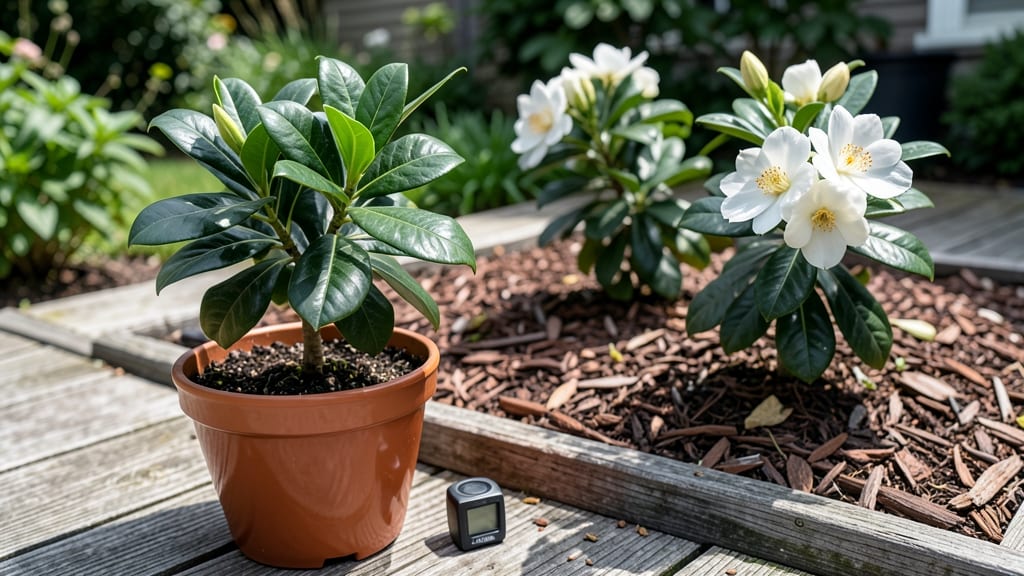
A gardenia plant thrives in partial shade with morning sun and afternoon shade — the secret weapon for those lush blooms and intoxicating fragrance you’ve been dreaming of.
Struggling to get your gardenia to bloom? The secret might be hiding in its light needs — too much sun can scorch its delicate leaves, while too little shade can stunt its famous fragrance.
Gardenias 🌸 love bright, indirect light, especially in USDA Zone 6a climates. Think of it like a spa day for your plant: gentle morning rays to wake it up, then a cool respite from harsh afternoon heat. This balance is key to keeping your gardenia happy and blooming.
In this guide, I’ll show you how to position your gardenia for success, whether it’s in a sunny patio spot or a shady corner, and how to spot the signs when it’s getting too much (or too little) light.
 Best Window Placement
Ideal sunlight requirements for gardenia plants to bloom & stay fragrant
Gardenia plants thrive on a delicate balance of sunlight—too much can scorch their glossy leaves, while too little weakens their fragrance. Native to tropical regions, they mimic their natural habitat by preferring morning sun with afternoon shade.
This setup prevents leaf burn while providing enough energy for vibrant blooms and intoxicating scent production.
The key is understanding how light intensity affects your gardenia’s blooming cycles. Direct sun between 6 AM and 12 PM fuels photosynthesis, but harsh afternoon rays (especially in summer) can cause leaf bleaching or bud drop.
Think of it like a tropical rainforest canopy—dappled light filters through leaves, protecting delicate foliage while still allowing growth.
Gardenia plants need 4-6 hours of direct sunlight daily, but this varies by climate. In humid tropical zones, they tolerate slightly more shade (3-5 hours), while temperate climates may require extra afternoon protection. The goal is to replicate their native understory environment where they receive filtered light.
| Light Condition | Sun Exposure | Bloom Impact | Fragrance Impact | Best For |
|---|---|---|---|---|
| Morning Sun | 4-6 hours (6 AM - 12 PM) | Vibrant, frequent blooms | Strong, sweet scent | Temperate climates |
| Afternoon Shade | Indirect light (12 PM - 6 PM) | Moderate blooms | Mild fragrance | Hot/dry regions |
| Full Sun | 8+ hours (all day) | Fewer blooms, leaf scorch | Weak scent or none | Avoid (unless acclimated) |
| Deep Shade | td>2-3 hours (filtered light)Minimal blooms, leggy growth | Little to no fragrance | Indoor or low-light spots |
Seasonal adjustments are critical for gardenias. In summer, when the sun is most intense, move potted plants to a shadier spot or use sheer curtains to diffuse light.
In winter, when days are shorter, supplement with grow lights (12-14 hours/day) to maintain blooming cycles. This mimics their tropical origins where seasons are less extreme.
The fragrance production in gardenias is directly tied to light exposure. Plants receiving optimal morning sun produce 2-3x more volatile oils (the compounds responsible for scent) than those in deep shade.
If your gardenia’s aroma seems faint, it may need 1-2 more hours of morning light or a fertilizer boost (like a balanced 10-10-10 acid-loving formula).
For container gardenias, rotate pots weekly to ensure even light exposure on all sides. This prevents one-sided growth (where the plant leans toward the light) and promotes balanced blooming.
If you notice yellowing leaves on the side facing the sun, it’s a sign of over-exposure—move the plant 2-3 feet farther back immediately.
In tropical climates, gardenias often thrive with 50% shade cloth during peak afternoon hours (1 PM - 5 PM). This reduces heat stress while still allowing enough light for photosynthesis.
Test your plant’s tolerance by gradually increasing shade—start with 30% shade cloth and monitor for leaf burn or bud drop over 2-3 weeks.
If you’re growing gardenias indoors, place them near an east-facing window where they’ll receive gentle morning light without harsh afternoon rays. Supplement with a full-spectrum LED grow light (12 inches above the plant) for 4-6 hours daily if natural light is insufficient.
Avoid south-facing windows unless you use sheer curtains to filter the intense light.
Pro tip: Prune leggy growth in spring to encourage bushier, more compact plants that handle light better. Trim back overly elongated stems by one-third and pinch back new growth to promote denser foliage—this helps the plant absorb light more efficiently and supports heavier blooming.
🌸
How to adjust light conditions for gardenias in different climates
Gardenias thrive in partial shade, but their ideal light needs vary dramatically depending on your climate. In hot, dry regions, intense afternoon sun can burn their glossy leaves, while humid tropical zones may require more filtered light to prevent stress.
Even in temperate climates, seasonal shifts demand adjustments—like protecting your plant from harsh winter winds or supplementing weak spring sunlight. Let’s break down how to fine-tune light exposure for your gardenia’s success.
First, observe your gardenia’s current light environment. If leaves turn yellow or develop brown edges, it’s likely getting too much direct sun. Conversely, if growth slows and buds fail to open, it needs more bright, indirect light.
The key is balance: 4–6 hours of morning sun paired with afternoon shade works best for most gardeners. But how you achieve this depends entirely on where you live.
🌿 Adjusting Light for Gardenias by Climate
- Hot/Dry Climates (e.g., Arizona, California):
- Use 30% shade cloth to filter harsh afternoon sun (1 PM–5 PM).
- Plant near east-facing walls for morning sun, then shade from west-facing windows.
- Move potted gardenias to covered patios during peak heat (100°F+).
- Humid Tropical Climates (e.g., Florida, Hawaii):
- Provide dappled shade under tall trees or use lattice screens for airflow.
- Avoid full sun—even morning rays can cause leaf scorch in high humidity.
- Group with hostas or ferns to create natural shade layers.
- Temperate Climates (e.g., Pacific Northwest, Midwest):
- Place in south-facing beds but prune nearby trees to limit winter shade.
- Use reflective surfaces (white walls, gravel) to bounce light onto north-side plants.
- In winter, supplement with grow lights (12–14 hours/day) if natural light drops below 4 hours.
- Indoor Gardenias (All Climates):
- Position near east or south windows with sheer curtains to diffuse light.
- Rotate pots weekly to prevent lopsided growth from uneven light.
- Use LED grow bulbs (5000K–6500K) 6 inches above the plant for 6–8 hours/day.
For gardeners in containers, flexibility is your best friend. If your gardenia’s leaves start curling or developing crispy edges, it’s a cry for shade. Simply move it to a spot where it gets only morning sun or use a lightweight shade sail to block midday rays.
Conversely, if new growth looks pale and leggy, it’s begging for more light—try a south-facing windowsill or a reflective mirror to amplify brightness.
Seasonal tweaks are equally critical. In summer, gardenias in Zone 8–10 may need afternoon shade, while those in Zone 5–7 can handle more sun as long as soil stays moist.
In winter, reduce light exposure if your home has strong afternoon sun—this prevents heat stress and encourages bud formation for spring blooms. Think of your gardenia like a coffee lover: it craves bright but indirect light, not the harsh glare of a noon-day sun.
Pro tip: Test your gardenia’s light tolerance with the "hand test". Hold your hand near the plant—if you can’t keep it there for 10 seconds without feeling a burn, the light is too intense.
Adjust gradually: 1 hour less sun per week until you find the sweet spot where leaves stay dark green and glossy, not bleached or scorched. Patience here pays off in more blooms and stronger fragrance—trust me, your nose (and your neighbors’) will thank you.
🌸