
Light Requirements
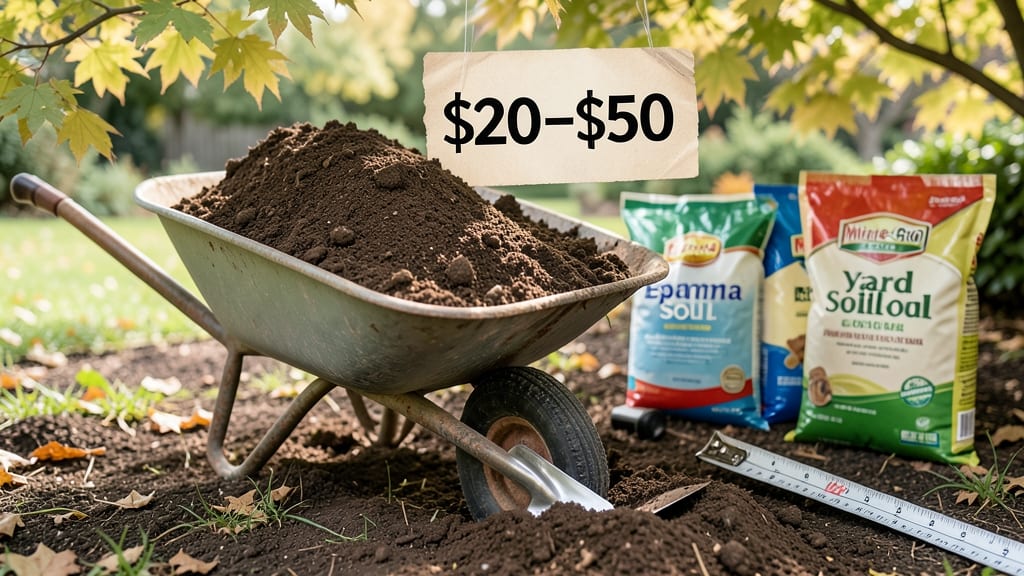
A yard of garden soil typically costs between $20 and $60, depending on type—topsoil, compost blends, or specialty mixes—location, and supplier, with bulk discounts often available for larger orders.
A yard of garden soil's price swings widely based on what you need. Topsoil—the most common choice for lawns and gardens—usually falls on the lower end, while compost mixes or organic-rich blends can push costs toward the higher range. 💰 Regional differences also play a big role: urban areas often charge more due to delivery fees, whereas rural suppliers may offer better rates.
I’ve found that buying in bulk (like 5+ yards) can slash per-yard costs by 20-30%, making it worth planning ahead if you’re tackling a large project.
What’s interesting is how soil composition affects pricing. Clay-heavy mixes might cost less but drain poorly, while sandy blends are pricier but improve drainage. Some specialty soils—like those designed for acid-loving plants—can exceed $80 per yard.
Always check local suppliers first; their prices often reflect what’s naturally abundant in your area.
💡 In This Article
- Factors Affecting Garden Soil Pricing by Type
- Best Ways to Buy a Yard of Garden Soil Cheaply
Factors affecting garden soil pricing by type
Soil pricing varies dramatically based on its composition and intended use. Topsoil, the most basic type, typically costs $15-$30 per yard because it’s naturally occurring and requires minimal processing. This layer—usually 6-8 inches deep—contains essential nutrients but lacks the organic matter found in premium blends.
For comparison, a compost-amended mix (mixed with 20-30% compost) jumps to $35-$50 per yard due to the added organic material that improves moisture retention and microbial activity.
The key difference lies in nutrient density and processing. Organic-rich soils often include aged compost, peat moss, or worm castings, which cost more to source and blend.
For example, a potting mix designed for vegetable gardens might contain 50% compost and 30% coconut coir, pushing prices to $50-$80 per yard.
These mixes also undergo rigorous testing for pathogens and pH balance, adding to labor costs. 🌱 Meanwhile, clay-heavy soils (common in regions with natural clay deposits) stay cheaper because they require less modification, but they drain poorly unless amended.
Regional soil composition plays a surprising role in pricing. Areas with naturally fertile topsoil—like parts of the Midwest—see lower costs because suppliers don’t need to import organic matter.
Conversely, sandy soils (common in coastal regions) often command higher prices because they lack natural structure, requiring amendments like perlite or vermiculite to improve texture. Even within the same city, prices can fluctuate by 20-40% depending on whether the soil is sourced locally or trucked in from farther away.
Specialty soils add another layer of complexity. For instance, acid-loving plant mixes (pH 4.5-5.5) or container blends with slow-release fertilizers can exceed $80 per yard.
These formulations are engineered for specific plants (like blueberries or azaleas) and include additives like sulfur or pine bark fines to adjust pH. The extra processing and precision make them a premium product, but they’re worth the cost for gardeners with particular needs.
Moisture retention capabilities also influence pricing. Hydroponic mixes or soil-less blends (like those used in raised beds) often cost more because they’re designed to hold 30-50% more water than traditional soil, using ingredients like hydrogel crystals or coconut fiber.
These aren’t just for commercial growers—home gardeners using drip irrigation systems find them invaluable for reducing water waste. 💧 The trade-off? These mixes typically require more frequent fertilization since they lack the slow-release nutrients found in organic soil.
One final factor is the soil’s particle size distribution. Silt-loam soils (ideal for most plants) strike a balance between drainage and water retention, but they’re harder to find naturally and often require blending.
Suppliers may charge extra to achieve this consistency, especially in regions where natural soil is predominantly sandy or clay-heavy. Always ask for a soil analysis before purchasing—it can reveal whether you’re paying for quality or just marketing.