
Tools
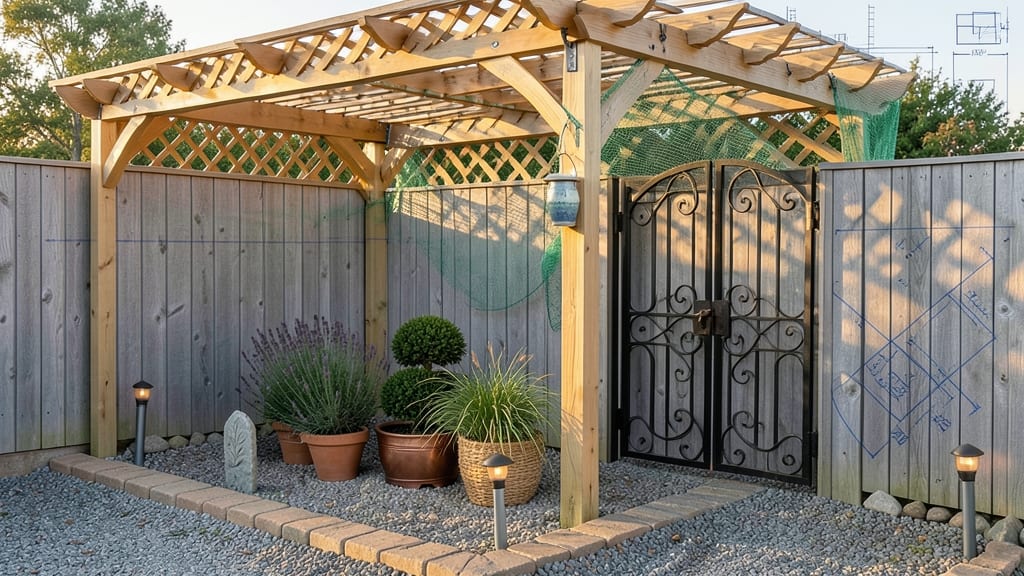
Creating garden enclosure plans starts with measuring your space precisely, then choosing materials—wood, metal, or vinyl—that match your durability needs and budget. Small enclosures (under 10 sq ft) typically cost $50-$150, while larger designs (20+ sq ft) can reach $500+, depending on height and material quality. Always verify local building codes before breaking ground.
Your garden's layout and purpose will dictate which materials make the most sense.
For example, cedar wood offers natural rot resistance but requires sealing every few years, while vinyl needs minimal upkeep but may lack the rustic charm of wood. 🌿 Metal options like wrought iron provide long-term durability but can be heavier to install.
The key is balancing upfront costs with long-term maintenance—some materials might save you money over time despite higher initial prices.
Don't forget that your local climate plays a huge role. In humid areas, pressure-treated wood lasts longer than untreated varieties, while dry climates might benefit from metal's resistance to warping. Always factor in these environmental considerations when selecting materials for your garden enclosure project.
💡 In This Article
- Material Breakdown for Garden Enclosure Costs
- Step-by-Step DIY Build Guide by Enclosure Size
Material breakdown for garden enclosure costs
When planning your garden enclosure, the material you choose directly impacts both your budget and how long your structure lasts. Cedar wood, for example, costs $10-$15 per linear foot but offers natural rot resistance thanks to its high tannin content—ideal for humid climates where moisture is a concern.
Pressure-treated wood runs $8-$12 per linear foot but requires sealing every 2-3 years to prevent chemical leaching. Metal options like wrought iron provide the most durability (20+ years) but cost $15-$25 per linear foot, while aluminum is lighter and corrosion-resistant at $12-$20 per linear foot. 🌲
The cost per square foot varies dramatically based on height and design. A simple 4-foot-tall cedar enclosure costs about $15-$25 per sq ft installed, while adding decorative lattice or glass panels can push costs to $30-$50 per sq ft.
Vinyl, though more expensive upfront ($20-$40 per sq ft), eliminates painting and sealing—saving $50-$150 annually in maintenance for larger structures.
For climate considerations, metal excels in coastal areas where salt air corrodes wood quickly, while vinyl performs best in extreme heat or cold where wood expands and contracts. 🌤️
Your budget should account for hidden costs like hardware and foundation. Galvanized screws for wood enclosures add $2-$5 per linear foot, while concrete footings for metal structures can cost $10-$20 per post. Pro tip: Buy materials in bulk to save 10-15%—just ensure you have proper storage space.
For example, a 10x10 ft cedar enclosure with 4-foot sides and lattice costs about $600-$900 total, while the same size in aluminum would be $900-$1,300. The material choice isn't just about upfront cost—it's about long-term value. 💰
Consider this comparison for a 20 sq ft enclosure:
- Cedar wood: $300-$500 (includes sealing every 3 years)
- Pressure-treated wood: $250-$450 (requires annual sealing)
- Aluminum: $500-$800 (zero maintenance)
- Vinyl: $400-$700 (no painting/sealing)
For gardeners in areas with heavy rainfall, cedar's natural oils make it the best long-term investment despite higher initial costs. In urban settings where aesthetics matter, wrought iron offers both durability and visual appeal at a premium price.
Always weigh your climate, maintenance tolerance, and aesthetic preferences against these cost factors. 🌧️
One often-overlooked factor is how material choice affects your garden's ecosystem. Wood absorbs heat during the day and releases it slowly at night, creating a microclimate that benefits cold-sensitive plants. Metal, conversely, heats up quickly and can scorch plant leaves if not properly insulated.
Vinyl, being non-porous, reflects more sunlight and keeps soil temperatures cooler—ideal for heat-sensitive crops like lettuce. These thermal properties can influence what you grow inside your enclosure. 🌱