
Tools
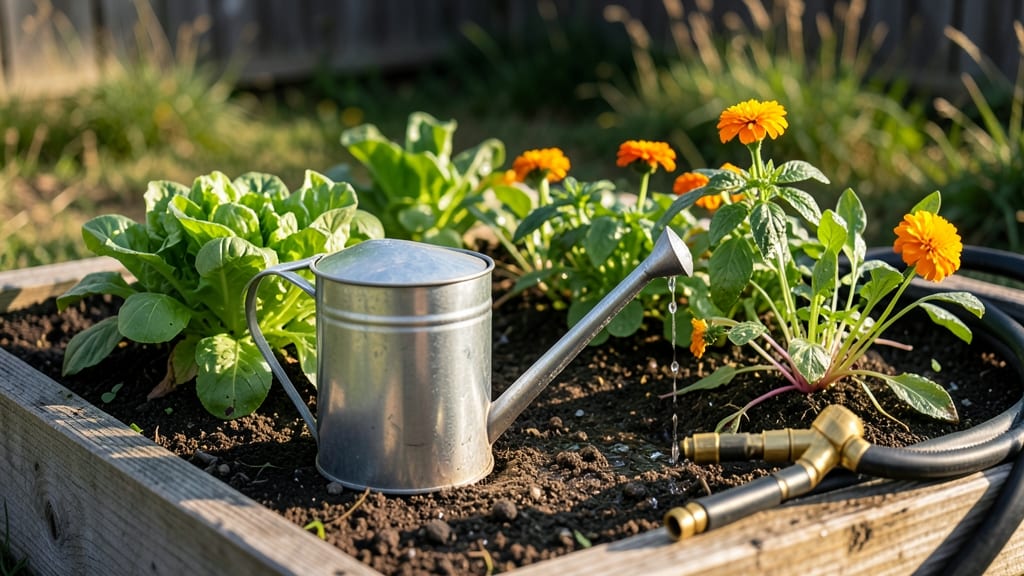
Watering your garden bed properly is the foundation of healthy plant growth—too much or too little can stifle roots before they even take hold.
Most gardeners still guess when to water, leading to stressed plants or wasted water. But with the right timing, soil checks, and tools, you can transform your garden bed from a gamble into a thriving ecosystem.
In this guide, we’ll break down the science behind watering schedules, from the finger test to smart sensors, so you can keep your plants hydrated without overdoing it.
You’ll learn how to adjust for climate, soil type, and plant needs—plus spot the three most common mistakes that drain your garden’s potential.
How to create a science-backed watering schedule for garden beds
Creating a science-backed watering schedule starts with understanding your garden's unique needs. Every plant has different water requirements, and soil composition plays a major role in how often you should water.
For example, sandy soil drains quickly, while clay soil holds moisture longer. Ignoring these factors often leads to root stress or fungal diseases like powdery mildew.
Your climate zone is another critical factor. In USDA Zone 6a, where spring and fall are short, summer heat demands more frequent watering, while winter requires minimal moisture.
Without adjusting for these seasonal shifts, you risk either drought stress or waterlogged roots. The solution? A customized schedule based on data, not guesswork.
| Plant Type | Water Needs | Soil Type | Frequency (Days) | Best Time |
|---|---|---|---|---|
| Vegetables (Tomatoes, Peppers) | 1-2 inches/week | Loamy | 3-4 | Morning (6-9 AM) |
| Herbs (Basil, Cilantro) | 0.5-1 inch/week | Well-draining | 5-7 | Evening (4-6 PM) |
| Flowers (Marigolds, Zinnias) | 0.75-1.5 inches/week | Sandy | 4-5 | Morning (6-9 AM) |
| Perennials (Lavender, Roses) | 1 inch every 7-10 days | Clay | 7-10 | Late Morning (9-11 AM) |
To create your schedule, start with the finger test—a simple, no-cost method. Stick your finger 1-2 inches deep into the soil. If it feels dry, it’s time to water.
For container gardens, check daily, while in-ground beds may only need testing every 3-4 days. This method prevents overwatering, which suffocates roots by cutting off oxygen.
For precision, invest in a soil moisture meter like the AcuRite Soil Moisture Sensor. These tools measure moisture at the root zone, where it matters most. Place probes near your plants’ dripline (the edge of their canopy) for accurate readings.
Avoid cheap meters—they often give inconsistent results, leading to root stress from incorrect watering.
Adjust your schedule seasonally. In summer, when temperatures exceed 85°F, increase frequency to every 2-3 days for most plants. In winter, reduce to bi-weekly or pause entirely if soil is frozen.
Mulch with 2-3 inches of straw to retain moisture and regulate soil temperature, cutting water needs by 30-50%.
Morning watering is ideal because it allows foliage to dry before evening, reducing fungal diseases like powdery mildew. If you must water in the evening, do so by 4 PM to give plants time to dry.
Avoid sprinklers—they waste water through evaporation and can spread diseases. Instead, use drip irrigation or a soaker hose for deep, slow watering that encourages strong root growth.
Monitor your plants for signs of water stress. Wilting leaves indicate underwatering, while yellowing or mushy stems signal overwatering. Adjust your schedule based on these cues, and keep a watering journal to track what works.
Over time, you’ll refine your routine to match your garden’s exact needs, ensuring healthy, resilient plants all season long.
Remember, consistency is key. A science-backed schedule isn’t set in stone—it evolves with your garden. Start with the basics, then tweak as you observe your plants’ responses. With time, you’ll master the art of watering without wasting a drop.
Common watering mistakes that stress plant roots (and how to fix them)
Even the most attentive gardeners can unintentionally stress plant roots with poor watering habits. I’ve seen wilting basil and stunted tomatoes from common mistakes that seem harmless at first glance.
The truth? Root stress often starts with something as simple as timing or technique. Let’s break down the most frequent errors and how to correct them before your plants suffer.
One of the biggest culprits is surface-level watering. Many gardeners water just the top inch of soil, leaving deeper roots thirsty. This creates a shallow root system that struggles to support healthy growth.
For example, tomatoes and peppers need water to reach 6–12 inches deep to thrive. Without deep hydration, roots become weak and vulnerable to disease.
Another critical mistake is inconsistent watering schedules. Skipping days or watering sporadically sends roots into a cycle of drought stress and overhydration. Plants like herbs and leafy greens prefer steady moisture, while others, like succulents, need dry spells.
Without consistency, roots can’t establish properly, leading to stunted growth or even death.
⚠️ callout-warning
Sprinklers may seem convenient, but they waste water and promote fungal diseases by keeping foliage damp. Worse, they often fail to penetrate deep soil, leaving roots dehydrated. For raised beds, use a soaker hose or drip irrigation instead.
💡 Fix: Water at the base of plants in the morning to allow foliage to dry quickly. For container gardens, water until 1 inch of soil drains through.
Overwatering is another silent killer. Many gardeners assume "more water is better," but waterlogged roots suffocate plants by cutting off oxygen. This is especially dangerous in clay soil or poorly draining containers.
Signs include yellowing leaves and a musty soil smell. To fix this, always check soil moisture before watering—stick your finger 2 inches deep. If it’s damp, wait.
For raised beds, the fix is simpler: add organic mulch (like straw or wood chips) to retain moisture and improve drainage. In in-ground beds, amend soil with compost to enhance aeration.
For containers, ensure pots have drainage holes and use a well-draining potting mix. These small adjustments can prevent root rot and keep plants healthy.
Finally, ignoring seasonal adjustments can stress roots. In summer, plants need more frequent watering due to heat, while winter often requires less. A good rule of thumb: water deeply 2–3 times per week in summer and reduce to once weekly in cooler months.
Always adjust based on rainfall and plant type—succulents need far less than lettuce.
By fixing these common mistakes, you’ll give your plants the deep, consistent hydration they need to flourish. Start with a soil moisture test, adjust your watering tools, and watch your garden thrive—root stress-free! 🌱