
Planting
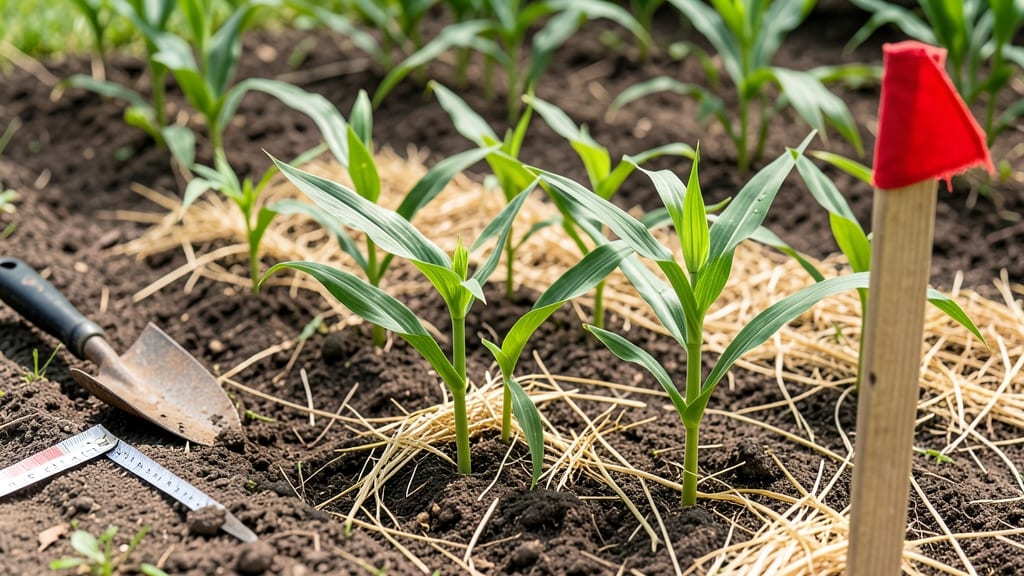
Garden rows should be spaced 18 to 36 inches apart depending on plant type, with 18 inches ideal for small crops like lettuce and 36 inches best for larger plants like tomatoes or corn. Wider spacing improves airflow and sunlight access, while narrow rows maximize space efficiency for dense planting.
Determining how far apart to space garden rows comes down to your plants' mature size and growth habits. 🌱 For leafy greens or herbs, the 18-inch spacing lets you pack more into small areas while still allowing sunlight to reach all plants.
On the other hand, larger plants like pumpkins or squash need that full 36-inch gap to spread out—crowding them leads to disease and poor yields.
I've found that even a few extra inches can make a huge difference in how well your garden thrives, especially in humid climates where airflow prevents fungal issues.
Another factor to consider is your garden's layout. If you're working with a narrow space, staggered rows or diagonal planting can help maximize sunlight exposure without sacrificing growth potential. For example, planting tall crops like sunflowers on the north side of shorter plants prevents shading.
The key is balancing efficiency with plant health—what works for a sprawling tomato plant won't cut it for a compact basil bush.
💡 In This Article
- Optimal Garden Row Spacing by Plant Type
- Tips for Adjusting Row Spacing in Small Gardens
Optimal garden row spacing by plant type
Plant spacing isn't just about fitting more into your garden—it's about creating the right environment for each plant to thrive. Leafy greens like spinach or arugula thrive in 12-18 inch rows because their shallow roots and rapid growth benefit from close proximity, while still allowing sunlight to filter through.
The key here is that these plants grow quickly and don't need much horizontal space—think of them like a dense forest canopy where every inch counts. 🌿 For herbs like thyme or oregano, which spread horizontally through runners, even 12-inch spacing works because their woody stems can handle slight crowding.
On the opposite end, vining plants like cucumbers or pole beans demand 24-36 inch rows because their sprawling habits require room to climb and spread. These plants need airflow to prevent powdery mildew, a fungal disease that thrives in humid, stagnant conditions.
For example, a single indeterminate tomato plant can spread 3-5 feet wide if left unpruned, so giving it 36 inches of space ensures it doesn't compete with neighbors for sunlight or nutrients.
Even root crops like carrots or beets need 16-18 inch rows to develop straight, uncrowded roots—too little space causes them to grow gnarled and misshapen.
Sunlight access is the hidden hero of proper spacing. Plants in the middle of a tightly packed row can end up in the "shade zone," where they receive only 30-50% of the sunlight their neighbors get.
This is why I always recommend spacing taller plants like sunflowers or corn on the north side of shorter crops—it prevents them from casting long shadows that block light.
For instance, planting bush beans in 18-inch rows with sunflowers 2 feet away ensures both get adequate light while still sharing space efficiently. 🌞
Soil competition is another critical factor. Plants with similar nutrient needs, like lettuce and radishes, can share 12-inch rows because they draw from different soil layers. However, heavy feeders like corn or squash need 36-inch rows because they deplete nutrients aggressively.
A quick test: If you can fit your hand between plants without touching leaves, you're usually in the right spacing range. This "hand test" works because it accounts for both plant size and growth habits in a tangible way.
Seasonal growth patterns also play a role. Fast-growing crops like radishes or lettuce can start in 12-inch rows but may need thinning as they mature. Conversely, slow growers like asparagus or artichokes benefit from 36-inch rows planted permanently, as their crowns expand over years.
The rule of thumb is to space plants based on their mature size, not their seedling size—what fits in a tiny pot won't necessarily thrive in a crowded row. 🌱
For flowers, spacing varies wildly: marigolds can handle 12-inch rows because they're compact, while sunflowers need 24 inches to support their heavy blooms. Even within a single plant type, varieties differ—dwarf tomatoes might fit in 18-inch rows, while heirloom varieties need 36 inches.
Always check seed packets for mature plant width, as this is the gold standard for spacing decisions. The payoff? Proper spacing means healthier plants, higher yields, and fewer pests or diseases creeping in.