
Planting
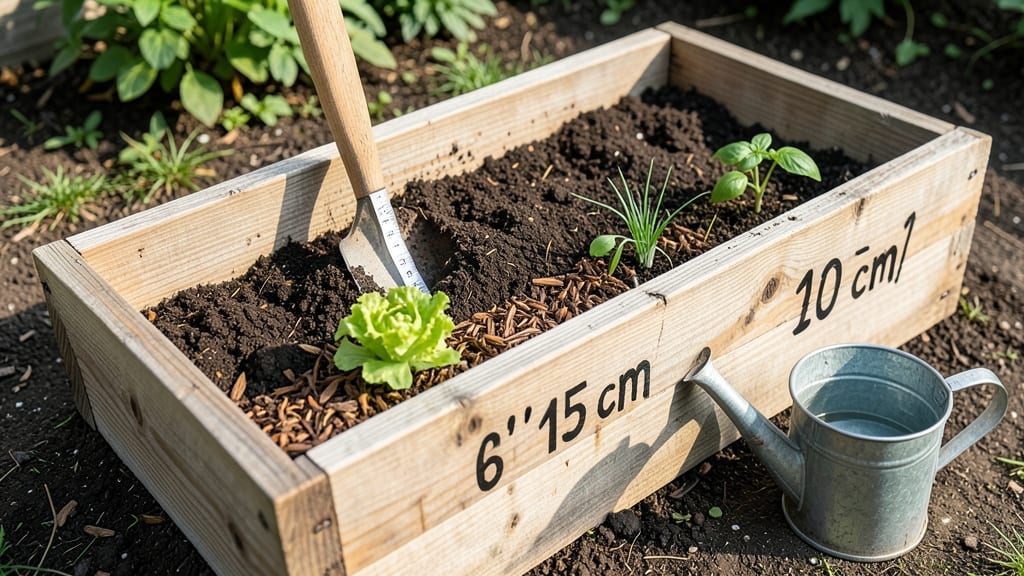
To determine how deep a raised garden bed needs to be, most vegetables and herbs thrive in beds that are 6 to 12 inches deep, while root crops like carrots or potatoes require 12 to 18 inches for full development. Beds deeper than 18 inches accommodate larger plants and enhance drainage while retaining moisture.
Depth isn't just about root length—it's about creating the right environment for your plants to access nutrients and water efficiently. 🌱 Shallow-rooted plants like lettuce or basil only need that 6-inch minimum, but deeper beds give them extra room to spread without competing for space.
For root vegetables, the extra depth prevents them from becoming stunted or deformed, which is a common issue in shallower containers. I've found that adding a layer of compost at the bottom of deeper beds can also boost early growth by providing readily available nutrients.
Another key factor is drainage. Deeper beds help prevent waterlogging, which can suffocate roots and lead to rot.
If you're growing heavy feeders like tomatoes or peppers, you might even consider going up to 24 inches—this gives their extensive root systems room to stretch out while keeping the soil loose and aerated. The trade-off?
Deeper beds require more soil and materials upfront, but the payoff in plant health and yield makes it worth it for serious gardeners.
💡 In This Article
- Root Depth Requirements for Different Plant Types
- Building the Perfect Raised Bed for Optimal Plant Health
Root depth requirements for different plant types
Root systems vary dramatically between plant types, and understanding these differences helps you design the perfect bed depth. Shallow-rooted plants like lettuce, spinach, and herbs such as basil or cilantro typically only need 6 inches of soil to thrive. Their fibrous roots spread horizontally, absorbing nutrients from the top layers.
In contrast, deep-rooted vegetables like carrots, beets, and parsnips require 12-18 inches to develop fully—their taproots grow straight down, and insufficient depth leads to stunted, forked roots or poor flavor.
The science behind this lies in how roots access nutrients and water. Shallow-rooted plants rely on a dense network of fine roots near the surface, where microbial activity is highest. Deep-rooted plants, however, need that vertical space to reach moisture and minerals that accumulate deeper in the soil profile.
For example, a carrot planted in just 8 inches of soil will struggle to reach its full potential, often resulting in misshapen roots that split or become woody. 🌱 The key is matching the bed depth to the plant's natural growth habit—this ensures optimal nutrient uptake and prevents stress.
Dwarf or compact varieties can sometimes break these rules. For instance, bush beans only need 8-10 inches of depth, while their pole bean cousins benefit from 12+ inches to support their vining habit.
Similarly, some herbs like thyme or oregano are hardy enough to grow in just 4-6 inches of soil, making them great candidates for shallow raised beds or even container gardening. Always check seed packets or plant profiles for specific recommendations, as these can vary even within the same plant family.
Another critical factor is soil compaction. In raised beds, the soil is typically looser than in-ground plots, allowing roots to penetrate more easily. However, if you're using heavy clay or tightly packed soil, roots may struggle to extend even in adequate depth.
Amending the soil with compost or perlite helps maintain that loose, aerated structure, giving roots the room they need to explore. For root crops, this means fewer deformed harvests and sweeter, straighter vegetables.
Consider the growth cycle too. Fast-growing plants like radishes or green onions can mature in shallow beds, but their longer-season counterparts (like potatoes or asparagus) need that extra depth to establish before harvest.
Potatoes, for instance, require 12-18 inches because their tubers form underground and need space to swell without crowding. Planting them in shallower beds often results in small, misshapen potatoes or even "volunteer" shoots that emerge above the soil line.
For mixed beds, aim for a compromise: 12 inches accommodates most vegetables while still allowing room for shallow-rooted plants to thrive. This depth also provides a buffer for soil settling over time—organic matter breaks down, and roots expand as plants mature.
If you're unsure, err on the side of deeper beds; you can always plant shallow-rooted crops in the top layers while deeper-rooted plants benefit from the full depth. 💫