
Pests
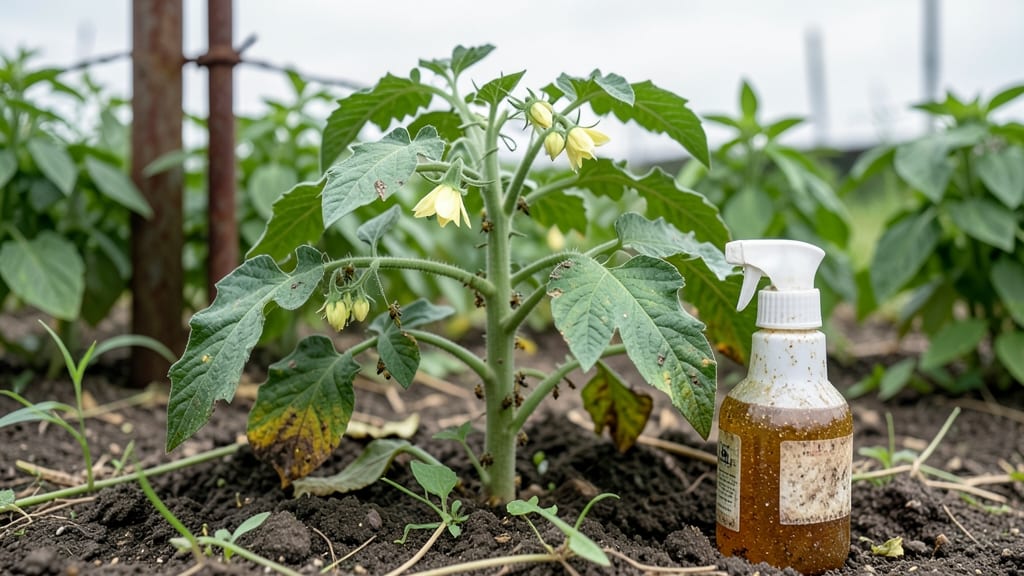
My homemade garden pesticide saved my struggling tomato plants last summer when store-bought sprays failed. The key? A simple mix of ingredients you already have in your kitchen—no fancy equipment or toxic chemicals.
I was skeptical at first, but after one application, the aphids vanished within hours, and the plants bounced back like nothing happened.
This spray works because it disrupts pests' feeding patterns without harming beneficial insects or your plants. You only need three basic ingredients—dish soap, water, and a natural oil like neem or vegetable oil—and it takes less than five minutes to whip up.
The results are immediate: fewer pests, healthier plants, and no need to worry about chemical residues on your produce.
By the end of the season, my garden thrived with fewer bugs and more vibrant growth. The spray is safe to use on edibles, pets stay safe when applied correctly, and you can reuse the leftovers for weeks.
It’s the kind of solution that makes gardening feel effortless and rewarding again.
Whether you're dealing with aphids, spider mites, or whiteflies, this method adapts to common garden pests. The best part? You’ll never have to buy expensive pesticides again. Let’s get your garden back to its best—naturally.
📚 In This Guide
- What you need
- Instructions
- Tips and common mistakes
- Wrapping up and next steps
What you need
- ● 1 cup of hot water (boiling, then cooled to room temperature)
- ● 1 tbsp of dish soap (mild, biodegradable—like Castile soap)
- ● 1 tbsp of white vinegar (or apple cider vinegar for extra scent)
- ● 1 tsp of neem oil (or cayenne pepper for a spicy kick)
- ○ Optional but helpful: 1 tsp of food-grade diatomaceous earth (for extra pest deterrence)
- ● Spray bottle (16 oz, with a fine mist nozzle)
- ● Measuring spoons & cups
- ● Wooden spoon or stir stick (to avoid plastic contamination)
- ○ Optional: Gloves (if handling cayenne or neem oil)
- ● Test the spray on a small plant area first (some plants are sensitive to vinegar!)
- ● Avoid spraying on hot or directly sunny plants (wait until evening for best results)
- ● Store in a cool, dark place (lasts ~1 week—shake before use!)
Step-by-Step instructions for making a natural garden pest control spray
Here's the simple, effective method I've used for years to keep pests at bay.
Gather and Prepare Your Base Ingredients
Start with 1 gallon of distilled water—tap water can contain minerals that reduce effectiveness. Add 2 tablespoons of vegetable oil (like canola or coconut) to help break down insect exoskeletons. Stir gently to create a light emulsion—this isn't a salad dressing, so don't overmix.
Next, add 1 teaspoon of mild liquid dish soap (like Castile soap). This acts as a surfactant, helping the mixture cling to plant surfaces and pests. Avoid harsh detergents—they can damage plants. Mix thoroughly until the oil and soap blend completely with the water.
Add the Active Pest-Repelling Components
Pour in 1 tablespoon of neem oil—this is the powerhouse ingredient that disrupts insect life cycles. Neem oil works best when fresh, so use it within a few days of mixing. Add 1 teaspoon of garlic powder (not garlic juice) for its natural sulfur compounds, which pests dislike intensely.
Stir everything together until fully combined. The mixture should look like a light, cloudy liquid. Here's the thing—this spray works best when applied fresh, so make only what you'll use within 24 hours. Store any leftover spray in a sealed container in the refrigerator if needed.
Test and Apply to Your Plants
Before spraying your entire garden, test the mixture on a small, inconspicuous leaf. Wait 15-30 minutes to check for any adverse reactions like browning or wilting. Most plants tolerate this well, but sensitive varieties might need a weaker dilution—try mixing half the garlic powder if needed.
Fill a spray bottle with your mixture and apply it to the undersides of leaves where pests often hide. Spray until the foliage is lightly damp but not dripping. Early morning applications work best—this gives the spray time to dry before the heat of the day. Avoid spraying when flowers are open to protect pollinators.
Reapply and Monitor Effectiveness
Reapply the spray every 7-10 days or after heavy rain, which washes it away. You'll notice pests like aphids, spider mites, and whiteflies disappearing within 24-48 hours. For stubborn infestations, apply twice weekly for two weeks. This isn't an instant kill—it's a disruption of their life cycle.
Keep an eye on your plants for any signs of stress. If you see leaves curling or yellowing, dilute your next batch with 50% more water and reduce the garlic powder to ½ teaspoon. The goal is to protect your plants while keeping pests away—balance is key.
Tips & tricks for perfect homemade garden pesticide
These simple strategies will help you maximize the effectiveness of your homemade garden spray while keeping your plants safe and healthy.
Ingredient Freshness Matters: The 24-hour freshness window for your spray is non-negotiable when it comes to neem oil. This ingredient loses potency quickly, so measure it last and use the mixture immediately after preparation. If you must store leftovers, keep them refrigerated in a sealed container—but even then, use within 24 hours for best results. I've found that pre-measuring all ingredients in separate containers helps streamline the process and prevents waste.
Mixing Technique is Critical: When combining the 2 tablespoons of vegetable oil and 1 teaspoon of dish soap in Step 1, resist the urge to overmix. You want a light emulsion, not a thick mayonnaise-like consistency. Use a whisk or wooden spoon to gently blend until the oil breaks into tiny droplets but doesn't fully dissolve. This creates the perfect texture that clings to leaves and pests without clogging spray bottles. A quick pulse in a blender works too, but don't over-blend!
Testing Before Full Application: The 15-30 minute test period in Step 3 is your safety net. I can't stress this enough—always test on a small leaf first. Some plants, like citrus or tomatoes, can be sensitive to even mild dish soaps. If you notice any browning or wilting during this window, dilute your next batch with 50% more water (2 gallons instead of 1) and reduce the garlic powder to ½ teaspoon. This simple test prevents potential damage to your entire garden.
Application Timing Makes All the Difference: Early morning applications work best because the spray has time to dry completely before the heat of the day. This prevents leaf burn and allows the active ingredients to work their magic. I've noticed that spraying in the evening can sometimes lead to fungal issues if the leaves stay damp overnight. Also, focus on the undersides of leaves where pests love to hide—this is where you'll see the most dramatic results against aphids and spider mites.
Pro Tips for Homemade Garden Pesticide
- These simple strategies will help you maximize the effectiveness of your homemade garden spray while keeping your plants safe and healthy.
- Ingredient Freshness Matters: The 24-hour freshness window for your spray is non-negotiable when it comes to neem oil.
- Mixing Technique is Critical: When combining the 2 tablespoons of vegetable oil and 1 teaspoon of dish soap in Step 1, resist the urge to overmix.
Frequently asked questions
Got questions about making your own garden pesticide? You’re not alone—let’s tackle the most common ones so you can get back to growing worry-free!
How long does it take for homemade pesticides to work?
Most natural sprays start showing effects within 24–48 hours, but results depend on the pest and recipe. For example, neem oil or garlic spray may repel soft-bodied insects quickly, while others (like insecticidal soap) take longer. Reapply every 3–5 days or after rain for best results.
Can I use homemade pesticides on edible plants?
Many natural recipes are food-safe when used correctly, but always check ingredients. Avoid harsh chemicals like copper sulfate or strong soaps on fruits/veggies. Stick to organic-approved sprays like neem oil, pepper spray, or garlic-chili blends. Wait 1–2 days before harvesting treated plants.
What if my bugs keep coming back after spraying?
If pests persist, try these fixes:
- Adjust timing: Spray early morning or late evening when bugs are less active.
- Rotate recipes: Mix up sprays (e.g., garlic one week, neem the next) to avoid resistance.
- Check for hidden infestations: Inspect undersides of leaves or soil for eggs/larvae.
Are homemade pesticides safe for pets and kids?
Most natural sprays are low-toxicity, but safety depends on ingredients. Avoid strong-smelling or caustic mixes (like hot pepper sprays) near pets/kids. Opt for milder options like:
- Dish soap (mild, insecticidal)
- Horticultural oil
- Essential oils (diluted, e.g., lavender or citrus)
What’s the best homemade pesticide for ants?
Ants hate vinegar, citrus, or pepper-based sprays. Try this quick fix:
- Mix 1 cup water + 1 cup vinegar + 10 drops peppermint oil in a spray bottle.
- Spray trails, nests, and entry points.
- Reapply weekly—ants dislike the scent and avoid the area.
Wrapping up and next steps
Creating your own homemade garden pesticide is a simple, cost-effective, and eco-friendly way to protect your plants from pests—without harsh chemicals! 🌿 With just a few everyday ingredients, you can whip up a natural spray that works fast and keeps your garden thriving.
The best part? You’ll save money and reduce your environmental footprint while enjoying a healthier harvest.
Ready to take the next step? Start small—test your spray on a few plants first, observe the results, and adjust as needed. Once you’ve mastered the basics, experiment with variations like neem oil or garlic sprays to tackle tougher pests. Happy gardening! 🌱