
Tools
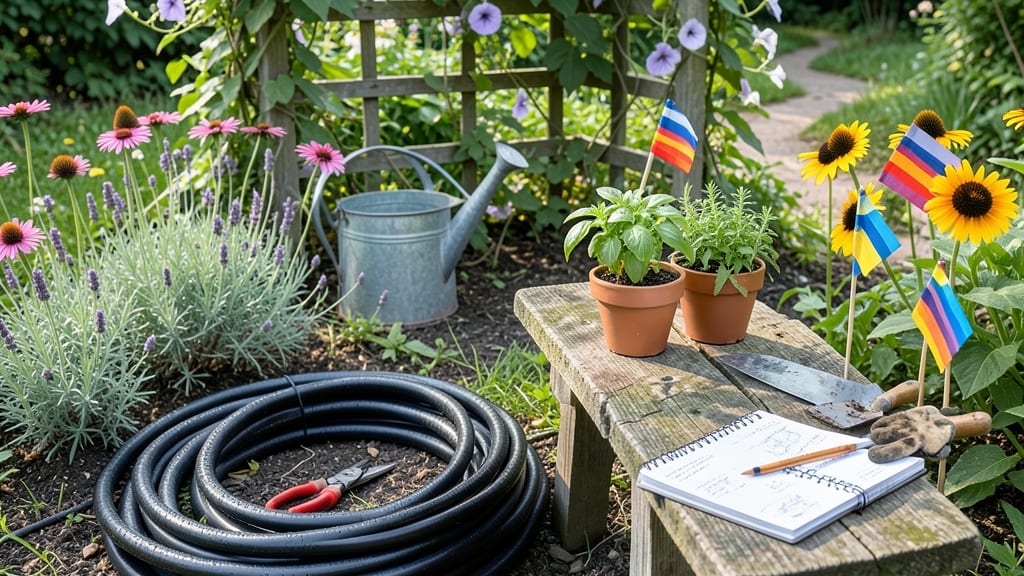
Home and garden shows create powerful selling opportunities by featuring plants, gardening tools, and outdoor decor in dynamic displays that spark excitement and urgency, attracting shoppers and converting interest into sales while establishing retailers as trusted authorities in gardening trends.
These events work like a magnet for plant lovers and DIY gardeners, blending education with entertainment. 🌿 The combination of hands-on product demos, expert advice, and visually stunning displays triggers emotional connections—shoppers don't just buy plants; they invest in their dream gardens.
I've seen retailers triple their foot traffic during shows by offering exclusive previews, limited-edition plants, and interactive workshops that turn casual browsers into loyal customers.
What sets these shows apart is their ability to bridge the gap between inspiration and action. When shoppers see vibrant flowers arranged in stylish pots or watch live demonstrations of vertical gardening, they're not just imagining— they're envisioning their own spaces transformed.
This immediate visualization creates a sense of FOMO (fear of missing out) that retailers can capitalize on through strategic promotions and follow-up marketing.
💡 In This Article
- Psychology Behind Home and Garden Show Success
- Retailer Strategies for Maximizing Show ROI
Psychology behind home and garden show success
Visual merchandising at these shows taps into the biophilic design principle—our innate human connection to nature. Studies show that exposure to plants and greenery reduces stress by up to 40% and boosts creativity, making shoppers more receptive to purchases.
The strategic placement of fragrant herbs like lavender or citrus-scented geraniums adds another sensory layer, triggering memory associations that make products feel more desirable. 🌿 When you walk through a show featuring lush displays with cascading petunias or towering sunflowers, your brain releases dopamine, creating that "I need this" feeling.
The live demonstrations work through social proof and demonstration effect. Watching an expert create a thriving container garden in 15 minutes makes complex gardening techniques feel accessible. Research from the Journal of Consumer Psychology found that when shoppers see products used effectively, their purchase intent jumps by 68%.
The tactile experience—touching soil, handling tools, or smelling fresh-cut herbs—activates the brain's reward centers, making the shopping experience more memorable than online browsing.
FOMO (fear of missing out) is engineered through limited-edition displays and exclusive previews. Retailers often feature seasonal varieties or rare plants available only at the show, creating urgency. The bright lighting, vibrant colors, and carefully curated arrangements all work to enhance perceived value.
When shoppers see a $25 plant thriving in a beautifully styled display, their brain associates that price with a premium experience rather than just a purchase. 💡 This is why shows often see 2-3x higher conversion rates than regular store visits.
Another powerful technique is the "aspiration gap"—showing visitors what their space could look like rather than what it currently is. A well-styled patio display with outdoor dining sets and string lights creates a mental contrast with a visitor's own backyard, making the transformation feel achievable.
This aspirational marketing triggers the Zeigarnik effect, where incomplete visions (like "my garden could look like this") drive stronger motivation to take action.
Scent plays a surprisingly large role too. The aroma of fresh basil or blooming roses can evoke nostalgia or happy memories, making products feel more emotionally valuable.
Retailers often place high-value items near fragrant displays because the scent lingers in shoppers' minds, increasing the likelihood they'll remember—and return—to purchase those items later. This sensory marketing can boost recall rates by up to 35% according to smell research from the Monell Chemical Senses Center.
The combination of these psychological triggers explains why garden shows aren't just about selling products—they're about selling a lifestyle.
When retailers understand these mechanisms, they can design shows that don't just attract crowds but convert them into repeat customers who see the retailer as their go-to source for gardening inspiration and solutions. 🌟