
Watering
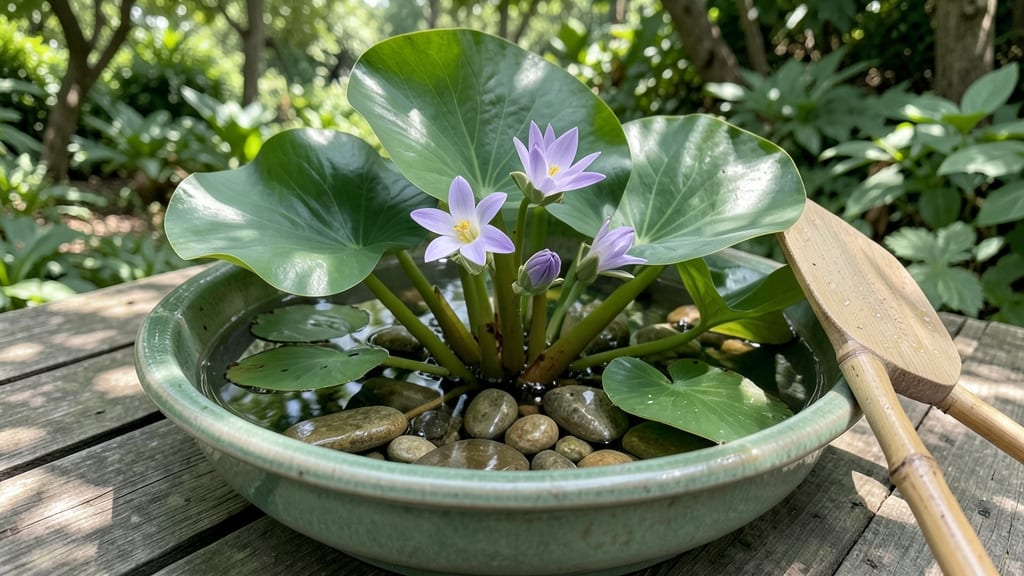
Growing container water garden plants lets you create a serene aquatic oasis in even the smallest spaces 🌿—no backyard or digging required.
Picture this: a tiny tub on your balcony bursting with lily pads, a floating fountain in a vintage barrel, or a window-box pond teeming with life. The best part? These plants don’t need a full pond to thrive—they’ll flourish in containers as small as a 5-gallon bucket.
Whether you’re drawn to the delicate blooms of water lilies or the lush greenery of submerged oxygenators, the right setup transforms any spot into a tranquil retreat.
Below, I’ll walk you through the easiest plants to start with, how to pick the perfect container, and the simple care routine that keeps your mini ecosystem vibrant all season long.
No green thumb? No problem. With the right low-maintenance picks and a few pro tips, you’ll have a thriving container water garden in just a few weeks—and it’ll stay beautiful with minimal effort.
Best low-maintenance container water garden plants for small spaces
Creating a serene water garden in containers is perfect for small spaces like balconies or window boxes. The key is selecting hardy aquatic plants that thrive in limited water volumes while requiring minimal upkeep. These varieties provide beauty, oxygenate water, and attract beneficial wildlife without overwhelming your space.
Whether you're working with a 5-gallon tub or a window box liner, the right plants will transform your area into a tranquil retreat.
I’ve curated a selection of low-maintenance container water garden plants that excel in confined spaces. These include floating plants for surface coverage, submerged oxygenators to keep water healthy, and marginal plants that thrive at water’s edge.
Each option is chosen for its adaptability, drought tolerance, and ability to flourish in containers as small as 3 gallons.
For visual clarity, here’s a quick comparison of the top picks based on space needs, sunlight requirements, and maintenance levels:
| Plant Type | Sunlight Needs | Water Depth | Mature Size | Maintenance |
|---|---|---|---|---|
| Water Hyacinth (Eichhornia crassipes) | Full sun (6+ hours) | 3–6 inches (floating) | 12–24 inches wide | Low (self-cleaning) |
| Dwarf Water Lily (Nymphaea 'Pygmaea Helvola') | Full sun to partial shade | 6–12 inches (submerged) | 12–18 inches diameter | Medium (divide roots yearly) |
| Pondweed (Potamogeton crispus) | Partial shade to full sun | 12–36 inches (submerged) | 6–12 inches tall | Very low (hardy) |
| Marsh Marigold (Caltha palustris) | Partial shade to full sun | 1–3 inches (marginal) | 12–18 inches tall | Low (perennial) |
| Frogbit (Limnobium laevigatum) | Full sun to partial shade | 2–4 inches (floating) | 6–12 inches wide | Low (fast-growing) |
Starting with floating plants like water hyacinth or frogbit is ideal for small containers. These plants spread quickly, covering the water’s surface to reduce algae growth and provide shade for submerged species.
Their vibrant foliage and flowers add instant color, making them perfect for balcony tubs or window box liners as small as 5 gallons.
For a submerged oxygenator, pondweed is a top choice. It thrives in 6–12 inches of water and helps maintain water quality by absorbing excess nutrients. This plant is nearly indestructible, making it perfect for beginners.
Place it in a clear plastic container with holes drilled in the sides for easy access to roots.
Marginal plants like marsh marigold bridge the gap between water and land, adding texture and seasonal interest. They prefer 1–3 inches of water and can be planted in shallow containers or along the edges of deeper setups.
Their bright yellow flowers bloom in early spring, providing a pop of color when other plants are still dormant.
When selecting containers, prioritize materials that retain moisture like plastic or fiberglass. Avoid metal, as it can leach chemicals into the water. For window boxes or hanging baskets, use lightweight liners with drainage holes to prevent root rot.
Always include a small pump or solar fountain to keep water circulating, especially in still containers.
One of the biggest mistakes I see is overcrowding containers. Stick to 3–5 plants per 5-gallon container to allow room for growth. Overcrowding leads to stagnant water and poor oxygenation, which can harm your plants.
If you notice algae blooms, add a few floating plants to shade the water or use a barley straw to naturally filter impurities.
To keep your container water garden thriving year-round, adjust care based on seasonal changes. In summer, increase watering frequency to every 2–3 days due to evaporation.
In winter, reduce water levels slightly to prevent freezing damage in cold climates. Always use dechlorinated water to protect your plants from chemical harm.
With the right mix of low-maintenance container water garden plants, even the smallest space can become a lush, self-sustaining ecosystem. Start with 2–3 varieties to test what thrives in your conditions, then expand as you gain confidence.
The key is patience—your water garden will evolve into a vibrant, low-stress retreat with minimal effort.
How to choose the right container and setup for your water garden
Creating a stunning container water garden starts with selecting the perfect container and setup to match your plant types and space. The right choice ensures proper water circulation, sunlight exposure, and root health—key factors for a thriving ecosystem.
Whether you're working with a small balcony tub or a larger plastic pond liner, every detail matters.
Begin by assessing your available sunlight and container size. Most container water garden plants need 6+ hours of sunlight daily, but some shade-tolerant varieties can adapt. For example, water lilies thrive in full sun, while marginal plants like sweet flag prefer partial shade.
Measure your space to determine the ideal container dimensions—depth matters most for root systems.
Essential Container Setup Checklist
- 🪴 Container Material: Choose plastic, fiberglass, or ceramic for durability and ease of cleaning. Avoid untreated wood, which can rot in water.
- 💧 Drainage System: Ensure a sloped bottom or overflow drain to prevent stagnant water. Add a submersible pump for circulation if depth exceeds 12 inches.
- ☀️ Sunlight Placement: Position containers in south-facing spots for full sun. Use partial shade cloth if plants show stress (yellowing leaves or wilting).
-
🌿 Water Depth Requirements:
- Floating plants (e.g., water hyacinth): 6–12 inches
- Marginal plants (e.g., pickerelweed): 3–6 inches
- Submerged plants (e.g., hornwort): 12+ inches
-
🔧 Essential Equipment:
- Submersible pump: 200–500 GPH for circulation
- UV clarifier: Reduces algae buildup
- Barley straw: Natural algae inhibitor
For small-space setups, opt for lightweight containers like plastic barrels or ceramic bowls with a minimum depth of 6 inches. These work well for floating plants and marginal varieties like water lettuce or sweet flag.
Larger containers (20+ gallons) are ideal for water lilies or lotus, as they need deeper water and more stable temperatures.
Don’t overlook water quality and circulation. Stagnant water leads to algae blooms and poor plant health. A small submersible pump (even a 200 GPH model) keeps water moving and oxygenated.
Add a UV clarifier or barley straw to prevent algae naturally. Test water parameters monthly—aim for a pH between 6.5 and 7.5 and low ammonia levels.
Pro tip: Use a layered planting approach to maximize space. Place submerged oxygenators at the bottom, marginal plants in the middle, and floating plants on top.
This mimics a natural pond ecosystem and reduces maintenance. For example, pair hornwort (submerged) with pickerelweed (marginal) and water hyacinth (floating) in a 24-inch-deep container.
Finally, consider winterizing your setup if you live in colder climates. Drain containers partially, add a pond heater for marginal plants, or move containers indoors near a sunny window. With the right container and setup, your container water garden will flourish year-round, offering beauty and tranquility in any space. 🌿