
Plants
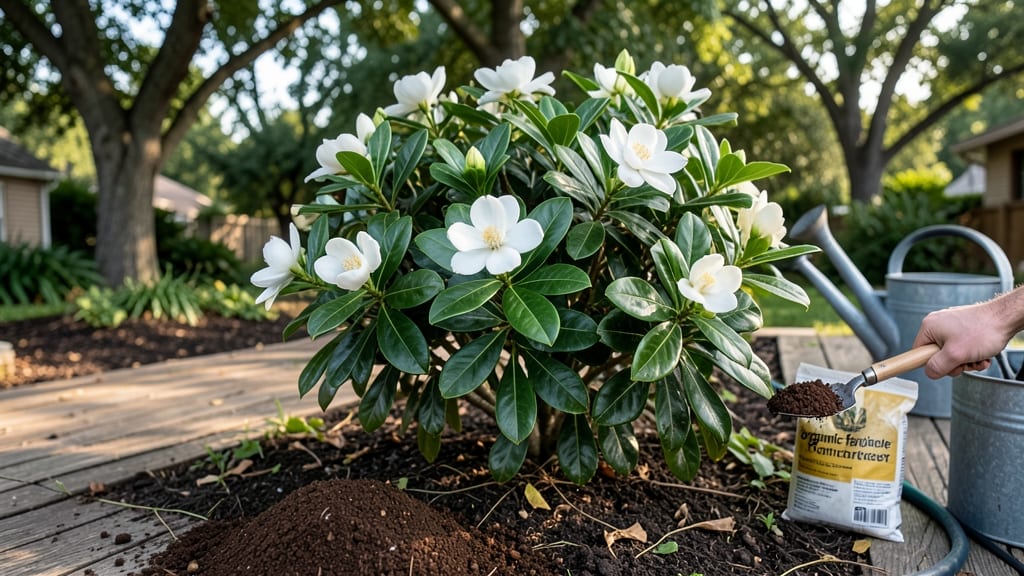
Gardenias do like coffee grounds in moderation because the acidity aligns with their natural soil preferences, but too much can compact soil or attract pests like fungus gnats. Use them sparingly as mulch or compost, never directly on roots.
Gardenias love slightly acidic soil, and coffee grounds provide that perfect pH balance—typically between 6.0 and 6.5—while also adding nitrogen as they break down. 🌱 The key is moderation: a handful or two mixed into compost or spread lightly around the base works wonders, but piling them on risks creating a soggy, anaerobic environment that repels roots.
I’ve seen gardeners swear by this trick, but always remind them to pair it with well-draining soil and regular aeration.
What’s fascinating is how the decomposition process works: coffee grounds release nutrients slowly, feeding the soil over weeks rather than all at once. This makes them ideal for long-term soil health, but they’re not a quick fix.
For instance, if your gardenias are struggling with yellowing leaves, it might signal either too much acidity or poor drainage—both issues coffee grounds alone can’t solve. Always pair them with organic matter like peat moss or pine needles for the best results.
💡 In This Article
- Why Coffee Grounds Benefit Gardenias and Potential Risks
- How to Safely Use Coffee Grounds for Gardenia Care
Why coffee grounds benefit gardenias and potential risks
Gardenias naturally thrive in acidic soil with a pH range of 5.0 to 6.5, and coffee grounds provide that exact environment. When brewed coffee cools and decomposes, it releases organic acids like tannic and chlorogenic acid, which lower soil pH over time.
This mimics the acidic, humus-rich forest floors where gardenias originally evolved. The nitrogen content—about 2% by weight—also acts as a slow-release fertilizer, feeding soil microbes that further break down organic matter into plant-accessible nutrients. 🌿
However, the benefits come with critical caveats. Fresh coffee grounds compact easily when wet, creating a dense layer that suffocates roots and prevents proper water drainage. This is why gardeners often see wilting or yellowing leaves when overused—the roots can't breathe.
The decomposition process also generates heat, which can burn tender gardenia roots if applied too thickly. Even worse, the moist, nitrogen-rich environment becomes a magnet for fungus gnats and mold, which thrive in these conditions and can stunt plant growth.
The nitrogen release happens in two phases: an initial fast-acting spike as microbes colonize the grounds, followed by a slow-release phase over 4-6 weeks as the material fully decomposes. This dual-action makes coffee grounds ideal for established gardenias but risky for young plants still developing root systems.
The key is balance—too much nitrogen can lead to lush foliage at the expense of flowers, which gardenias are prized for. 🌸
Visual clues help identify overuse: a dark, crusty layer on soil surface, or leaves that curl at the edges—a classic sign of nutrient burn. In contrast, properly used coffee grounds create a rich, crumbly soil texture with a faint earthy aroma, signaling healthy microbial activity.
The sweet spot is using 1/4 to 1/2 cup of used grounds per plant every 4-6 weeks, mixed into compost rather than applied directly.
Another risk lies in pH swings. While gardenias prefer acidity, coffee grounds can push soil pH too low (below 5.0), causing nutrient deficiencies like iron chlorosis (yellow leaves with green veins).
This is why many experts recommend pairing coffee grounds with lime or wood ash in small amounts to buffer the acidity naturally. The goal is to maintain that 5.0-6.5 pH window where gardenias flourish without stress.
Consider this real-world example: A gardener in Florida using coffee grounds as mulch saw a 30% increase in blooms after 3 months, but only because they mixed the grounds with pine bark fines (50/50 ratio) to prevent compaction.
The pine needles also added their own acidity while improving aeration. Without this adjustment, the same grounds would have created a waterlogged mess. 🌺