
Shrubs
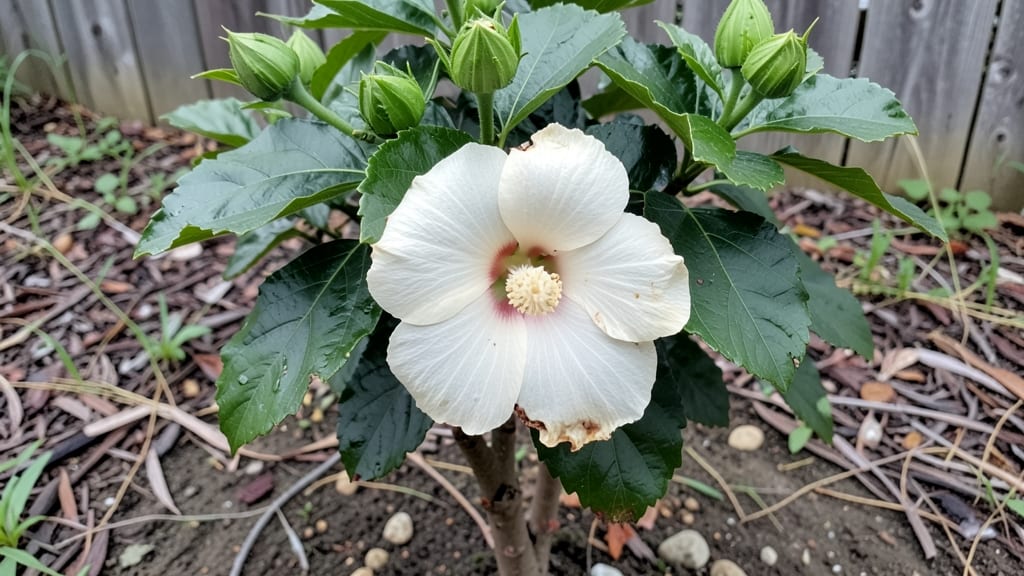
Your garden can glow with year-round hibiscus blooms—if you know the right tricks to keep them thriving beyond summer.
Imagine a garden bursting with vibrant, tropical blooms that last all year—hibiscus plants can make that dream a reality, but only if you master their care secrets.
These stunning 🌸 shrubs thrive in USDA Zone 6a with the right balance of sun, soil, and seasonal adjustments. Plant them in spring (April-May) after the last frost, and you’ll unlock bold colors that keep coming back.
Here’s how to feed, prune, and protect your hibiscus so it stays lush from spring through winter—without the guesswork.
Hibiscus plant varieties and best garden placement for maximum blooms
Hibiscus plants bring dramatic color and tropical flair to any garden, but not all varieties thrive in the same conditions. The key to year-round blooms lies in choosing the right type and placing it where it will flourish naturally.
Tropical hibiscus, like Hibiscus rosa-sinensis, need warmth, while hardy hibiscus, such as Hibiscus moscheutos, tolerate cooler climates. Understanding these differences ensures your hibiscus stays healthy and blooms abundantly.
Sunlight is the most critical factor for hibiscus success. These plants crave 6+ hours of direct sun daily, but placement matters just as much. A south-facing location provides the most consistent sunlight, while west-facing spots offer warm afternoon rays that encourage blooming.
Microclimates—like near a stone wall or patio—can also extend the growing season by trapping heat. Pairing the right variety with the perfect spot maximizes flower production year-round.
Soil quality directly impacts hibiscus health. These plants prefer well-draining, slightly acidic soil with a pH between 6.0 and 6.5. Amending clay soil with compost or sand improves drainage, while adding peat moss helps retain moisture without suffocating roots.
Mulching with pine bark or wood chips keeps roots cool in summer and warm in winter, creating an ideal environment for continuous blooming.
Now, let’s compare the two main hibiscus types to help you choose the best fit for your garden:
For tropical hibiscus, like the Hibiscus rosa-sinensis, place them in containers near patios or along south-facing walls to capture warmth. These varieties bloom year-round in frost-free zones but may need winter protection in cooler areas.
Hardy hibiscus, such as Hibiscus syriacus, thrive in USDA zones 4-9 and can handle light frosts, making them perfect for northern gardens.
When planting, dig a hole twice as wide as the root ball to encourage root spread. Amend the soil with organic matter like compost or aged manure to provide essential nutrients.
Position the plant so the top of the root ball sits 1 inch above soil level to prevent rot. Water deeply after planting to settle roots and reduce transplant shock.
Microclimates play a surprising role in hibiscus success. A stone wall or brick patio absorbs heat during the day and releases it at night, extending the growing season. Similarly, elevated beds improve drainage and prevent waterlogging, which can stress hibiscus roots.
In cooler climates, choose hardy varieties like Hibiscus moscheutos and plant them near heat-retaining structures for longer bloom periods.
Fertilizing hibiscus correctly boosts bloom production. Use a balanced fertilizer (10-10-10) in early spring to encourage new growth, then switch to a low-nitrogen, high-phosphorus blend (5-10-10) when buds form. Apply fertilizer every 4-6 weeks during the growing season, but avoid fertilizing in winter to prevent overgrowth before dormancy.
Deadheading spent blooms is a simple trick to encourage more flowers. Pinch off wilted blooms just above a leaf node to redirect energy into new growth. This practice keeps hibiscus looking neat and vibrant while stimulating continuous flowering throughout the season.
Regular pruning also shapes the plant and removes crowded branches that can reduce airflow and invite pests.
With the right variety, placement, and care, your hibiscus will reward you with bold, year-round blooms that turn heads and brighten any garden. Whether you choose tropical glamour or hardy resilience, these plants deliver stunning color with minimal effort—once you’ve mastered their secrets! 🌸
Step-by-step hibiscus pruning and fertilizing schedule to prevent fading
Hibiscus plants reward dedicated care with stunning, long-lasting blooms, but fading petals often signal neglected pruning or poor fertilization. The key to vibrant flowers lies in a seasonal care routine that balances trimming, feeding, and hydration.
Without proper maintenance, your hibiscus may produce fewer blooms or develop weak stems. Let's create a year-round schedule to keep your hibiscus thriving from spring through winter.
Start by understanding your hibiscus's growth habits. These tropical beauties grow best with regular pruning to encourage bushier growth and more flowers. Organic fertilizers provide essential nutrients without the risk of chemical burn.
The right balance of these practices prevents fading blooms and keeps your hibiscus looking its best. Let's break down each season's tasks for maximum impact.
- 1 Spring (March-May): Prune 1/3 of old growth to encourage new shoots. Apply balanced 10-10-10 fertilizer every 4 weeks. Water deeply every 3-4 days.
- 2 Summer (June-August): Prune lightly after blooming to maintain shape. Feed with low-nitrogen fertilizer every 6 weeks. Water daily in deep soaks during heatwaves.
- 3 Fall (September-November): Prune dead or diseased branches. Apply light organic fertilizer in early fall only. Reduce watering to every 5-7 days as temps drop.
- 4 Winter (December-February): Prune only damaged wood. Skip fertilization entirely. Water bi-weekly with light applications unless in frost-prone zones.
For pruning, always use clean, sharp shears to make cuts at a 45-degree angle just above a leaf node. This encourages new growth while maintaining plant health.
When fertilizing, opt for organic options like compost tea or fish emulsion to avoid salt buildup in the soil, which can cause root damage. My favorite organic fertilizer is a worm castings blend—it's gentle yet effective for hibiscus.
Watering plays a crucial role in preventing faded blooms. Hibiscus plants need consistent moisture but hate soggy roots. Always water at the base of the plant in the morning to allow foliage to dry before evening.
Mulching with 2-3 inches of organic mulch helps retain moisture while suppressing weeds. Avoid overhead watering to prevent fungal diseases that can discolor leaves and dull blooms.
Monitor your hibiscus for signs of stress like yellowing leaves or drooping blooms. These often indicate overwatering or nutrient deficiencies. Adjust your care routine accordingly—reduce watering if leaves appear mushy or add a potassium-rich fertilizer if blooms fade prematurely.
With this seasonal schedule, your hibiscus will reward you with bold, vibrant flowers from spring through fall.
Remember, hibiscus plants are forgiving but do best with consistent care. Stick to this schedule, and you'll enjoy lush foliage and spectacular blooms that keep your garden looking tropical all year. Happy pruning!