
Pests
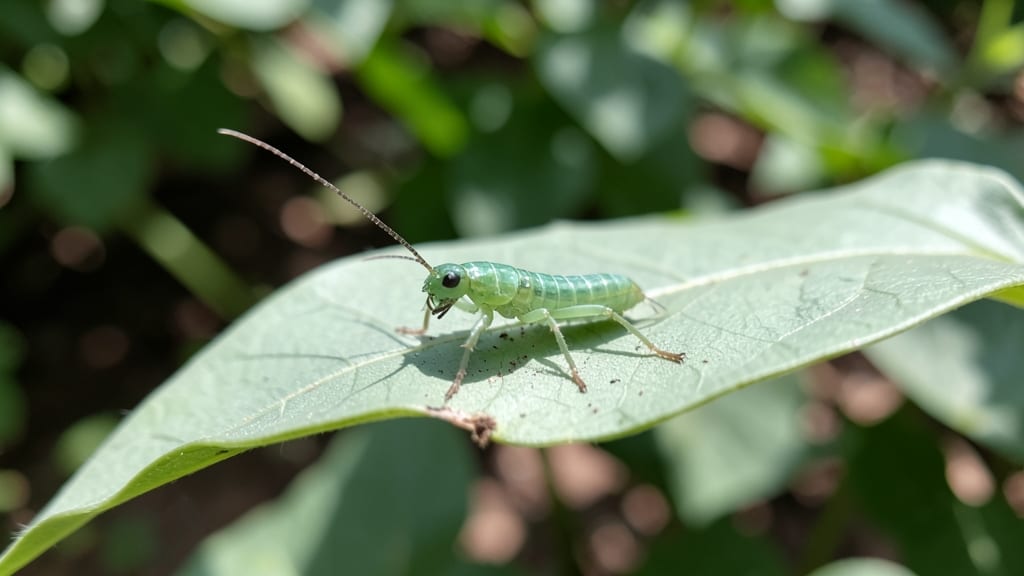
Those bright green garden insects aren't just pests—they're a sign your plants are thriving. ✨ I’ve spent years studying how to manage them without harming your garden’s ecosystem, and the key is understanding which ones help and which ones hinder.
The wrong approach can turn your garden into a battleground, but the right method keeps balance while keeping those crispy edges on your prized plants.
Most gardeners panic when they see green insects, but many are harmless—or even beneficial. Aphids, for example, might look alarming, but ladybugs and lacewings hunt them naturally. The trick is identifying the culprits and acting at the right time.
Overwatering or over-fertilizing often attracts the wrong kind of visitors, so adjusting care can reduce their numbers before they become a problem.
You’ll learn to spot the early signs of an infestation and use targeted solutions that protect your plants while keeping the garden’s natural defenses intact. The goal isn’t to eliminate all green insects—it’s to maintain a healthy, productive garden where only the beneficial ones thrive.
This method works for vegetables, flowers, and even ornamental plants, ensuring your garden stays lush and vibrant.
Whether you're dealing with a sudden outbreak or just want to prevent future issues, these strategies are simple to implement and effective year-round. The right balance keeps your garden crispy-edged and thriving without harsh chemicals. Let’s get started on the right approach.
What Draws Them In
Green garden insects—like aphids, leafhoppers, and even some caterpillars—don’t just appear randomly. Their presence is usually a sign that your garden is offering them the perfect buffet, shelter, or breeding ground.
Understanding the why behind their visits helps you take targeted action to keep them away. Here’s what’s luring them in:
🌱 Overripe or weakened plants
Healthy plants are resilient, but when they’re stressed, they become prime targets. Green insects like aphids and whiteflies thrive on plants that are:
- Overwatered or underwatered: Too much moisture creates a damp environment that attracts fungus gnats and slugs, while drought-stressed plants release sugars that appeal to sap-sucking insects.
- Nutrient-deficient: Plants low in nitrogen (a key nutrient) produce softer, more palatable leaves, making them easier for insects to feed on.
- Damaged or diseased: Wounds from pruning, hail, or infections (like powdery mildew) release plant sap—a sweet treat for many green pests.
Science note: Some insects, like Myzus persicae (green peach aphid), use their stylets to pierce plant cells and extract phloem sap, which is high in sugars. Weakened plants can’t fight back as effectively.
🍃 Attractive host plants
Not all plants are equal in the insect world. Some are like all-you-can-eat buffets for green garden pests. Common culprits include:
| Plant Type | Common Green Pests |
|---|---|
| Herbs (e.g., basil, parsley, dill) | Aphids, spider mites, cabbage loopers |
| Leafy greens (lettuce, spinach, kale) | Cabbage worms, flea beetles, slugs |
| Fruiting plants (tomatoes, peppers, cucumbers) | Green peach aphids, cucumber beetles, hornworms |
| Flowering plants (marigolds, cosmos, zinnia) | Leafhoppers, whiteflies, thrips |
Why it happens: Many green insects are specialized feeders, meaning they’ve evolved to prefer specific plant families. For example, the Spodoptera exigua (beet armyworm) targets plants in the Brassicaceae family (like cabbage), while aphids love the high-protein sap of young, tender leaves.
🌡️ Ideal environmental conditions
Green garden insects are cold-blooded, so they’re highly sensitive to temperature and humidity. They flock to gardens that mimic their preferred climate:
- Warm, humid microclimates: Shady, damp areas (like under dense foliage or near irrigation drips) create the perfect breeding ground for soft-bodied insects like aphids and slugs.
- Sudden temperature shifts: Cool nights followed by warm days can trigger rapid insect reproduction, as many species time their life cycles to seasonal changes.
- Poor airflow: Crowded plants restrict air circulation, increasing humidity and making it easier for fungal diseases (which attract predatory insects) to take hold.
Pro tip: 🌡️ Monitor your garden’s microclimates with a soil thermometer or hygrometer. If your garden stays above 75°F (24°C) with high humidity, you’re in peak pest season.
🌍 Lack of natural predators
In a balanced ecosystem, green garden insects are kept in check by birds, ladybugs, lacewings, and parasitic wasps. But when these predators are missing, pests multiply unchecked. Common reasons for predator shortages:
- Overuse of broad-spectrum pesticides: Chemicals like neonicotinoids kill both pests and their natural enemies, creating a vacuum that pests rush to fill.
- Monoculture gardening: Planting large blocks of the same crop reduces biodiversity, leaving fewer hiding spots and food sources for predator insects.
- Urban or suburban isolation: Gardens surrounded by lawns or pavement lack the habitat diversity that supports predator populations.
Science note: Studies show that gardens with just 10% native plants can support 50% more beneficial insects than monoculture plots. Even a small patch of wildflowers can make a difference!
How to Fix Garden Bug Issues
Encountering green garden insects can feel like an unwelcome surprise, but with the right approach, you can reclaim your garden’s health and beauty. Below, we’ve mapped common causes to practical solutions—plus prevention tips to keep your garden thriving long-term.
Think of this as your green insect pest control playbook, tailored for both quick fixes and lasting peace of mind.
🐞 Overcrowded or Unbalanced Ecosystem
When beneficial insects like ladybugs or lacewings disappear, pests like aphids or cabbage worms take over. A garden lacking diversity is like an all-you-can-eat buffet for hungry critters.
🔥 Quick Fixes
- Introduce predator insects: Purchase or attract ladybugs, praying mantises, or parasitic wasps (they’re natural pest controllers!). Release them in the early morning or evening when temps are cooler.
- Add companion plants: Plant marigolds, basil, or dill near vulnerable crops (like tomatoes or brassicas). These act as decoys and repel pests.
- DIY insect hotel: Stack bamboo canes, hollow stems, and pinecones in a shaded spot to house solitary bees and predatory wasps.
🌱 Prevention Tips
💡 Rotate crops annually to disrupt pest life cycles. Avoid planting the same family (e.g., tomatoes, peppers, eggplants) in the same spot.
🌡️ Encourage biodiversity: Leave some “wild” patches with weeds (like clover or yarrow) to support pollinators and predators. Even a small patch of native flowers helps!
🍃 Chemical Overuse or Soil Imbalance
Harsh pesticides wipe out both pests and their natural enemies, while poor soil health weakens plants, making them easier targets. Over-fertilizing (especially with synthetic nitrogen) can also attract sap-sucking insects like aphids.
🍳 Natural Remedies
| Problem | Solution |
|---|---|
| Aphids, mites, or whiteflies | Neem oil spray: Mix 1 tbsp neem oil + 1 tsp mild soap in 1 quart water. Spray directly on pests (avoid blooming plants). Reapply every 5–7 days. |
| Fungal issues (e.g., powdery mildew) | Baking soda spray: 1 tsp baking soda + 1 quart water + a few drops of soap. Spray undersides of leaves weekly. |
| General soil detox | Compost tea: Steep 2 cups compost in 5 gallons water for 24 hours. Strain and water plants to restore microbial balance. |
✨ Long-Term Soil Health
🎯 Test your soil: Use a DIY kit or send a sample to a local extension office. Adjust pH (aim for 6.0–7.0 for most veggies) with lime (to raise pH) or sulfur (to lower it).
🔥 Feed the soil, not the plants: Swap synthetic fertilizers for compost, worm castings, or fish emulsion. Aim for a balanced NPK ratio (e.g., 5-5-5) to avoid nitrogen spikes.
🌿 Weak or Stressed Plants
Plants under stress (from drought, overwatering, or disease) produce weak foliage that’s a buffet for pests. Think of it like a human with a compromised immune system—invaders move in fast.
👨🍳 Immediate Care Steps
- Prune damaged areas: Snip off yellowing or chewed leaves with clean scissors. Dispose of clippings in a sealed bag (not compost) to prevent reinfestation.
- Water deeply but less often: Aim for 1–1.5 inches per week. Use drip irrigation to keep leaves dry and deter fungal pests.
- Shade vulnerable plants: Use row covers or shade cloth (30–50%) for young seedlings or heat-stressed crops.
💡 Pro Tips for Resilience
🌡️ Hardening off seedlings: Gradually expose young plants to outdoor conditions over 7–10 days to toughen them up before transplanting.
🥗 Mulch like a pro: Apply 2–3 inches of straw, wood chips, or grass clippings to retain moisture, regulate soil temp, and deter pests like cutworms.
🚨 Late-Season Outbreaks
As summer winds down, pests like Japanese beetles or squash bugs may stage a final assault. Cool nights and warm days create the perfect breeding ground.
⏰ Last-Minute Tactics
- Handpick pests: Fill a bucket with soapy water and remove beetles, caterpillars, or slugs by hand (especially effective for squash bugs or tomato hornworms).
- Traps and barriers:
- For Japanese beetles: Use pheromone traps (place them away from your garden to avoid attracting more).
- For slugs/snails: Set out beer traps (bury a cup filled with beer) or use copper tape around raised beds.
- Row covers to the rescue: Drape lightweight fabric over crops like kale or cabbage at night to block adult moths from laying eggs.
🌱 End-of-Season Reset
🔥 Clean up thoroughly: Remove all plant debris, old mulch, and weeds. Compost only disease-free material.
🎯 Plant cover crops: Sow clover, winter rye, or mustard greens to smother weeds, improve soil, and disrupt pest cycles over winter.
Remember: Patience and observation are your best tools. Spend 10 minutes daily scanning leaves for early signs of trouble—catching issues early means less work later. With these strategies, your garden will bounce back stronger, and those green garden insects will either become allies or take a hike!
Frequently asked questions
How do I tell which green insects are harmful vs. helpful?
Start by observing their behavior—harmful insects like aphids or cabbage worms cluster on leaves and chew foliage, while helpful ones like ladybugs or lacewings move actively and consume other pests. Check undersides of leaves for tiny eggs or sticky residue (aphid honeydew), which signals trouble. Beneficial insects rarely leave damage behind.
Why do green insects suddenly appear after I changed my watering routine?
Sudden moisture shifts create ideal breeding conditions for soft-bodied insects. Overwatering invites fungus gnats and slugs, while underwatering stresses plants, making them release sugars that attract sap-suckers like aphids. Aim for 1–1.5 inches of water weekly and water at soil level to avoid wetting leaves.
Can I use store-bought pesticides if natural methods fail?
Only as a last resort—opt for organic, targeted sprays like horticultural oil or spinosad instead of broad-spectrum chemicals. Avoid neonicotinoids, which wipe out beneficial predators like ladybugs. Always test on a small plant area first and apply in evening hours when bees aren’t active.
How do companion plants actually repel green insects?
Companion plants work through scent and chemistry—marigolds release pyrethrins (natural insect repellents), while basil confuses pests with its strong aroma. Plant garlic or onions near tomatoes to deter aphids, or intersperse nasturtiums to attract aphids away from your main crops.
What’s the fastest way to stop an aphid outbreak?
Blast them off with a strong stream of water from a hose, then spray neem oil (1 tbsp per quart of water) on both leaf surfaces. Repeat every 3–4 days until they disappear. For severe cases, introduce aphid midges (their larvae eat aphids) by purchasing them online.