
Lawn
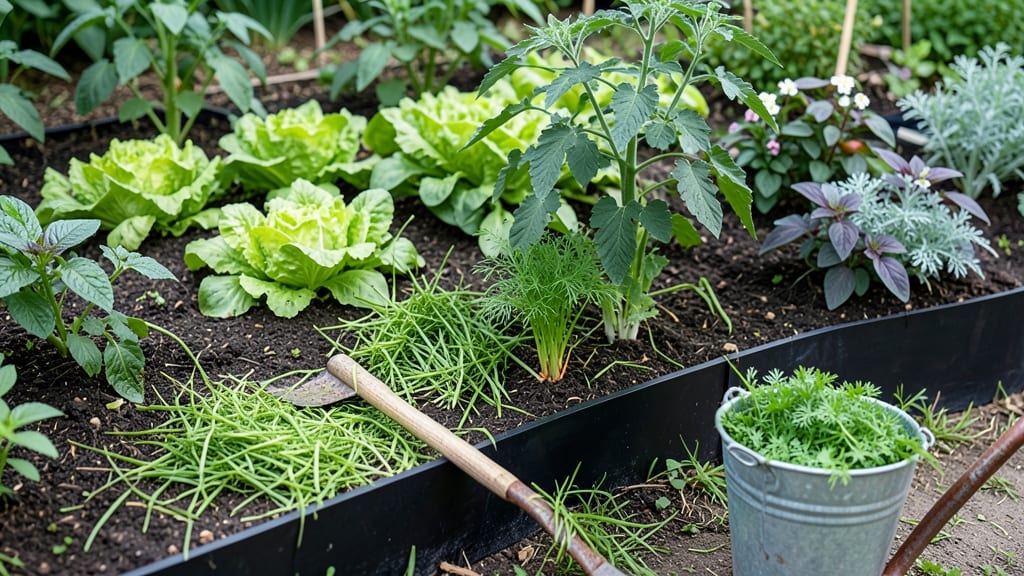
Using grass clippings in your vegetable garden boosts soil fertility by adding nitrogen-rich organic matter, reducing yard waste, and naturally suppressing weeds—just dry them first and avoid pesticides before spreading a thin layer around plants or composting them.
Grass clippings act like a natural fertilizer because they're about 80% water and 20% dry matter, with that dry matter containing valuable nitrogen. 🌱 When you let them decompose slowly, they release nutrients over time rather than burning plants like fresh manure might.
I've seen gardens thrive with this method because it also improves soil structure by encouraging earthworms and beneficial microbes. The best part? It's completely free and reduces landfill waste!
For vegetables like tomatoes, peppers, and leafy greens, grass clippings work especially well because these plants benefit from steady nitrogen. Just remember to keep the layer thin—about ½ inch thick—and water it in to help decomposition. Overdoing it can smother plants or create mold, so moderation is key!
💡 In This Article
- How Grass Clippings Enhance Vegetable Garden Soil
- Best Practices for Applying Grass Clippings to Vegetables
How grass clippings enhance vegetable garden soil
Grass clippings are essentially a free, nitrogen-rich fertilizer because they contain about 4% nitrogen by dry weight—similar to commercial grass-based fertilizers but without the chemicals. When clippings decompose, they release this nitrogen gradually through microbial action, creating a slow-release nutrient boost that's far gentler on plants than synthetic fertilizers.
This process also stimulates soil microbes that break down organic matter, producing enzymes that improve soil structure and water retention.
The real magic happens below the surface. As clippings decompose, they form a spongy layer that holds moisture near plant roots while allowing excess water to drain—critical for vegetables like tomatoes and peppers that need consistent hydration.
Studies show mulched soil stays 20% moister than bare soil, reducing watering needs by up to 30%. The clippings also block sunlight from reaching weed seeds, preventing germination while adding organic matter that improves soil aeration over time.
Unlike synthetic fertilizers that provide quick but temporary nutrients, grass clippings create long-term soil health. The decomposition process releases not just nitrogen but also small amounts of phosphorus and potassium, while the fibrous texture improves soil tilth—making it easier for roots to penetrate.
For example, a ½-inch layer of dried clippings can add 0.5 pounds of nitrogen per 100 square feet over a growing season, comparable to a light application of organic fertilizer.
What makes this especially valuable for vegetable gardens is how clippings support beneficial soil organisms. Earthworms thrive in this environment, creating burrows that aerate the soil, while fungi networks help plants access nutrients more efficiently.
The slow decomposition also prevents the "hot spots" that can burn plant roots when using fresh manure or chemical fertilizers. This balanced approach is why organic gardeners often prefer grass clippings over synthetic alternatives.
Consider this comparison: A 1-inch layer of fresh clippings contains roughly 1 pound of organic matter per 10 square feet, while dried clippings pack more nutrients into less volume. The key difference is moisture content—fresh clippings are 80% water, while dried ones are 90% dry matter.
This makes dried clippings more efficient for mulching, though fresh clippings can still be used if spread thinly and watered immediately to prevent matting.
For maximum benefits, mix clippings with other organic materials like leaves or straw. This creates a more balanced carbon-to-nitrogen ratio (about 30:1 in fresh clippings), preventing anaerobic conditions that could create unpleasant odors.
The result is a nutrient-rich, well-structured soil that supports vigorous vegetable growth while reducing your garden's environmental footprint. 🌱