
Tools
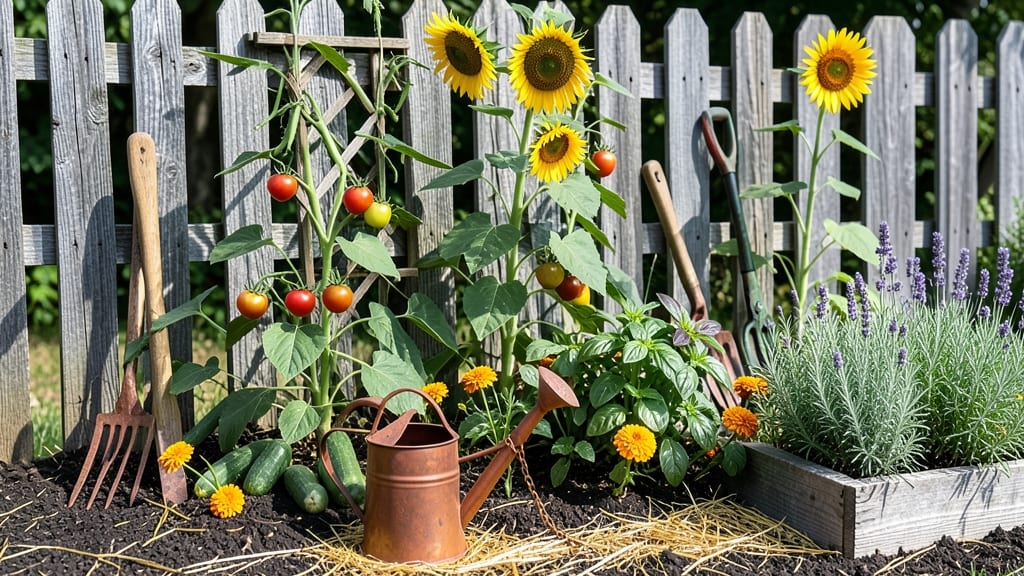
Creating a grandma’s garden picture requires classic floral arrangements, rustic wooden trellises, and heirloom vegetables like tomatoes or zucchini bathed in soft, nostalgic lighting—think sepia tones or vintage filters to enhance that old-world charm. Authenticity comes from textures like lace curtains, weathered stone paths, or a well-loved gardening apron.
A grandma’s garden picture thrives on the whimsical yet practical details that tell a story. 🌸 The key is balancing vibrant blooms like roses or peonies with everyday garden staples that feel familiar—think a sun-bleached wooden fence or a handwritten plant tag tucked into the soil.
What makes these photos so special is how they capture the imperfect beauty of gardening: slightly wilted petals, a tool left leaning against the trellis, or a patch of overgrown mint spilling onto the path. These elements create an atmosphere that feels lived-in and full of memories, rather than staged.
Lighting plays a crucial role too—soft, diffused light during the golden hour (just after sunrise or before sunset) mimics the warm glow of vintage photographs. If you're working with modern equipment, applying a vintage filter or adjusting the white balance to a cooler tone can replicate that nostalgic feel.
The goal is to make the scene feel like it belongs in a 1950s family album, where every detail whispers of summers spent weeding and harvesting.
💡 In This Article
- Key Elements That Define a Vintage Garden Photo
- How to Stage a Garden for Timeless Photos
Key elements that define a vintage garden photo
The heart of a vintage garden photo lies in its color palette, which typically draws from earthy, muted tones like sage green, faded pink, and cream—colors that evoke the mid-20th century when many of these memories were made. 🌿 The secret isn't just the colors themselves, but how they're layered: think deep burgundy roses contrasting with pale yellow coreopsis, framed by a wooden fence that's weathered to a soft gray.
This palette works because it mirrors the natural aging process of plants and materials, creating a sense of timelessness that feels intentional rather than forced.
Textures are equally important, as they add depth and tactile interest. A rough-hewn wooden trellis with visible grain, for example, tells a story of years spent growing vines, while a handwritten plant label made from an old envelope adds a personal touch.
Even the soil matters—clumps of rich, dark earth peeking through cracks in a stone path or the rough bark of an apple tree all contribute to that lived-in authenticity.
These details create a visual rhythm that guides the viewer's eye through the scene, making it feel like a snapshot from a bygone era rather than a staged composition.
The choice of seasonal themes also plays a crucial role in setting the mood.
A summer garden might feature sunflowers nodding in the breeze, their golden petals catching the light, while an autumn scene could showcase pumpkins spilling from a wicker basket or a pile of fallen leaves framing a rustic bench.
What makes these seasonal elements work is their imperfection—a slightly wilted flower here, a leaf caught in a spiderweb there. These small details create a narrative that feels authentic and inviting, as if the garden is still being tended by someone who loves it deeply.
Framing techniques further enhance the vintage feel. Using a shallow depth of field (achieved with a lower f-stop like f/2.8) blurs the background, drawing focus to the garden's centerpiece while maintaining a soft, dreamy quality.
Alternatively, a slight tilt in the horizon—a subtle nod to the "rule of thirds" as practiced by early photographers—adds a sense of movement and dynamism. These techniques aren't about technical perfection; they're about capturing the spirit of gardening as a lived experience rather than a polished display.
Finally, the inclusion of antique garden tools and props ties the scene together.
A well-worn cast-iron watering can, its spout slightly bent from years of use, or a pair of leather gloves draped over a fence post instantly transport the viewer to a time when gardening was both a labor of love and a way of life.
These props don't just serve as decorations—they're storytellers, each with its own history and character. When arranged thoughtfully, they create a cohesive narrative that feels personal and nostalgic, making the garden photo feel like a cherished memory rather than a generic scene.
Lighting is the final piece of the puzzle, and it's what truly brings the vintage aesthetic to life. The golden hour—those 20-30 minutes after sunrise or before sunset—offers the soft, diffused light that vintage photographers coveted.
If you're shooting during the day, position your subject to face the light source slightly to the side, creating gentle shadows that add dimension.
For indoor or overcast conditions, a vintage filter (or a white balance adjustment toward the cooler end of the spectrum) can mimic the warm, slightly faded look of old photographs.
This lighting approach doesn't just illuminate the scene; it transforms it into something that feels like it belongs in a family album.