
Tools
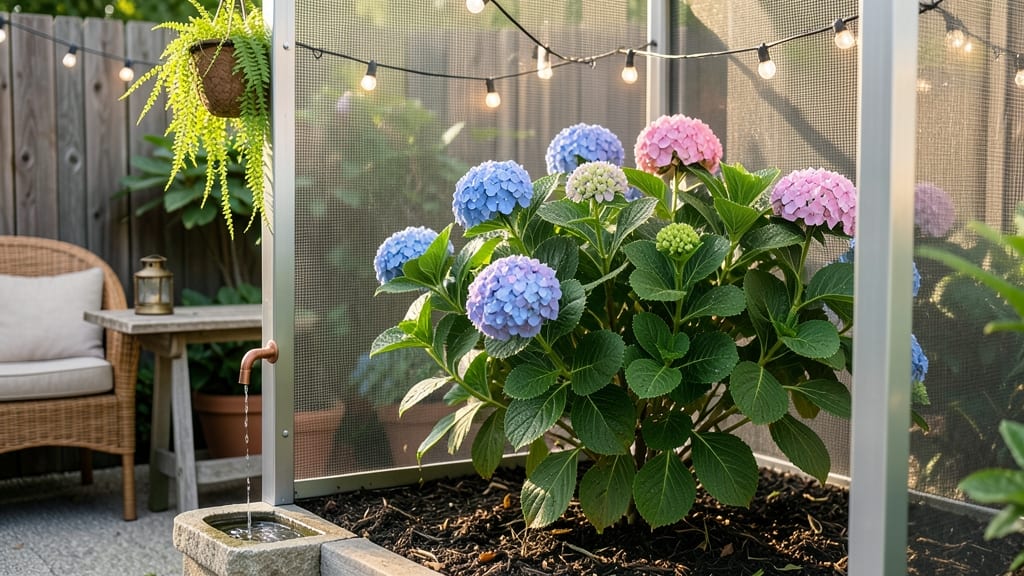
A screened-in garden blends outdoor beauty with indoor comfort, creating a private retreat that’s protected from pests and weather while letting in natural light.
Imagine stepping into a space where you can sip your morning coffee surrounded by lush 🌿 greenery, shielded from bugs and wind—yet still basking in sunlight. This is the magic of a well-designed screened-in garden: a year-round escape that feels like an extension of your home.
Whether you’re dreaming of a cozy reading nook, a fragrant herb garden, or a dining area with a view, the right layout makes all the difference.
From ventilation tricks to plant choices that thrive in semi-shaded spaces, we’ll show you how to craft a functional, stylish garden that works for your lifestyle.
Ready to design a screened-in oasis? Discover 5 layout ideas that maximize privacy, airflow, and light—plus the best low-maintenance plants to keep your space lush without the fuss.
5 Screened-in garden layout ideas for different spaces
A screened-in garden lets you enjoy nature's beauty while keeping bugs out and maintaining privacy. Whether you have a small urban balcony or a spacious backyard, these layouts adapt to your space while maximizing airflow and light.
The key is balancing structural integrity, plant-friendly zones, and aesthetic appeal—all while keeping maintenance low.
For small spaces, focus on vertical gardening and multi-functional furniture. Larger areas can incorporate dedicated zones like herb gardens or seating nooks. Each design uses aluminum screens, glass panels, or fine mesh to create a breathable, insect-free environment.
Let’s explore five practical layouts tailored to different needs and spaces.
| Layout Type | Best For | Materials | Key Features |
|---|---|---|---|
| Urban Balcony Nook | Small apartments, city dwellers | Fine mesh screens, lightweight frames | Vertical planters, foldable furniture, LED grow lights |
| Sunroom Extension | Suburban homes, families | Aluminum frames, glass panels, retractable screens | Dual-purpose seating/dining, built-in shelving |
| Herb & Veggie Enclosure | Gardening enthusiasts, foodies | Heavy-duty mesh, PVC pipes, trellises | Raised beds, drip irrigation, shade cloth |
| Cozy Reading Retreat | Book lovers, hobbyists | Wooden frames, sheer curtains, wicker furniture | Hanging plants, adjustable lighting, soft flooring |
| Luxury Estate Conservatory | Large estates, entertainers | Glass walls, stone floors, automated vents | Water features, exotic plants, climate control |
For urban balconies, prioritize lightweight materials like fine mesh screens and aluminum frames. Use vertical planters to maximize space for herbs, succulents, or trailing flowers like petunias or nasturtiums. Add a foldable table for flexibility, and install LED grow lights to supplement natural light in shady spots.
If you’re extending a sunroom, opt for retractable screens or glass panels to control airflow and sunlight.
Include built-in shelving for plants and dual-purpose furniture, like a dining table that doubles as a workspace. Aluminum or vinyl screens are durable and easy to clean, while glass panels let in more light for sun-loving plants like tomatoes or peppers.
A herb and veggie enclosure is perfect for foodies who want to grow fresh produce without pests. Use heavy-duty mesh or PVC pipe frames to create a sturdy structure.
Add raised beds for better drainage and drip irrigation to automate watering. Shade cloth can protect delicate greens like lettuce or spinach from intense afternoon sun.
Create a cozy reading retreat with wooden frames and sheer curtains for a soft, diffused light effect. Incorporate hanging plants like string of pearls or pothos to add greenery without taking up floor space.
Use adjustable lighting and soft flooring (like rugs or cushioned mats) to make it inviting for long reading sessions.
For luxury estates, think big with a glass-walled conservatory featuring stone floors and automated vents for climate control. Include water features like a small fountain or koi pond to boost humidity for tropical plants.
Exotic species like orchids, monstera, or bird of paradise thrive in these controlled environments.
No matter your space, airflow is critical. Install adjustable vents or retractable panels to prevent overheating. Position your screened garden to catch morning sunlight while avoiding harsh afternoon rays. With the right layout, you’ll enjoy a private, plant-friendly oasis year-round.
How to maximize light and airflow in a screened garden
A screened-in garden thrives when it balances natural light and proper ventilation. The wrong mesh density or placement can trap heat, stunt plant growth, or create stagnant air. To keep your space vibrant, focus on strategic screen choices and airflow solutions that work year-round.
Start by selecting screens with 16-18 mesh for fine filtration—ideal for delicate plants like ferns or orchids—while larger gaps (1/4" to 1/2") allow better airflow for heartier varieties.
Position your screens to capture maximum sunlight without overheating. South-facing walls with semi-transparent screens let in light while reducing glare. For shade-sensitive plants, consider adjustable louvers or retractable screens to control exposure.
Even a few hours of direct light can make a difference for low-light plants like calatheas or peace lilies.
⚠️ WARNING: Common Mistakes That Harm Your Screened Garden ⚠️
Overheating & Stagnant Air
Using thick, opaque screens or sealing all sides can turn your garden into a greenhouse. Stagnant air breeds fungal diseases and attracts pests like whiteflies. Even reflective surfaces (like white walls) can amplify heat—opt for light-colored, breathable materials instead.
✅ Fix: Install ventilation fans or soffit vents at high points. Use coarse mesh (1/4") on upper walls to improve airflow without sacrificing privacy.
Reflective surfaces are a game-changer for boosting light in shaded areas. Hang mirrored panels or white-painted walls to redirect sunlight deeper into your space. Place them opposite windows to create a bounce effect that mimics natural light.
For example, a 6-inch mirror strip along a north wall can add 20-30% more brightness to a dim corner—perfect for growing herbs like parsley or shade-tolerant veggies.
Ventilation systems prevent humidity buildup, which is critical for preventing mold and root rot. A whole-house fan or exhaust vent near the ceiling pulls hot air out while drawing cooler air in. For smaller spaces, a USB-powered oscillating fan (placed near plants) creates gentle airflow.
Test your setup by holding a lightweight tissue near the screen—if it barely moves, add more vents or switch to a coarser mesh.
Strategic window placement is often overlooked but makes a huge difference. If your screened area has windows, position them to face east or west to avoid harsh afternoon sun.
For year-round use, consider double-pane screens with low-E coatings—they reduce heat transfer while maintaining visibility. Pair them with automatic shades to adjust light levels throughout the day.
Finally, plant placement affects airflow. Group tall plants (like bamboo or palm trees) along walls to create natural wind tunnels, while low-growing foliage (like ferns or ivy) should line the floor.
This layered approach ensures air circulates at all levels, keeping your garden healthy and vibrant—no matter the season. 🌿