
Tools
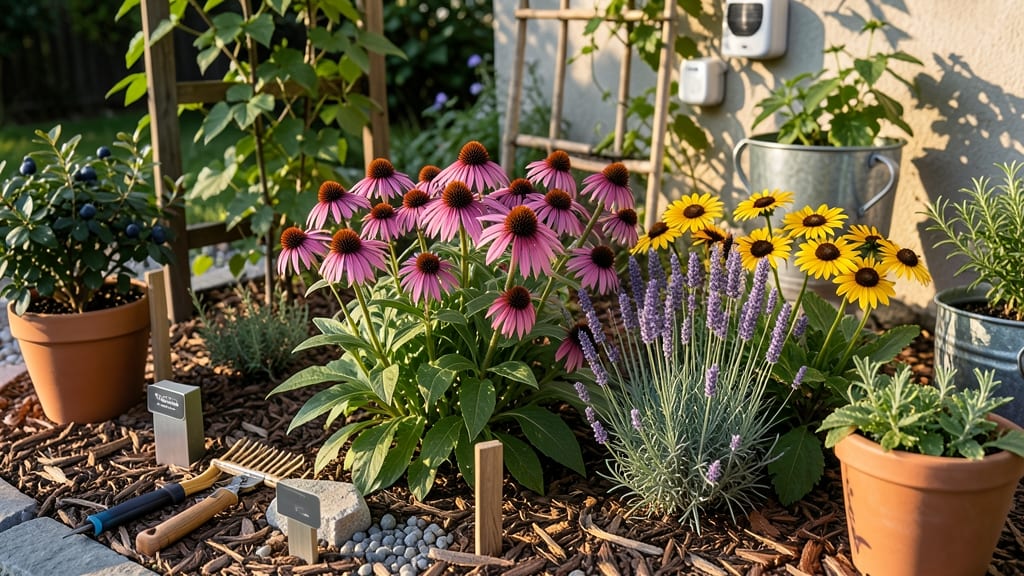
The 2024 home and garden trends emphasize sustainable landscaping, vertical gardening, and biophilic design as the most impactful ways to create beautiful, functional outdoor spaces that work with nature rather than against it. These approaches prioritize eco-conscious materials, space efficiency, and connections to natural elements.
The shift toward these trends reflects growing awareness about climate change and urban living challenges. Sustainable landscaping isn't just about drought-resistant plants—it's a full ecosystem approach that reduces water use by up to 70% while supporting local wildlife.
Meanwhile, vertical gardening and biophilic design transform tiny balconies and urban apartments into lush retreats by maximizing every inch of space with living walls and natural textures. 🌿 What's fascinating is how these trends overlap: a vertical garden filled with native plants can double as both a decorative feature and a sustainable water management solution.
For homeowners, this means less maintenance and more beauty—think self-sustaining gardens that require minimal irrigation once established. The biophilic design element adds the emotional payoff: studies show that incorporating natural elements like wood, stone, and water features can reduce stress levels by up to 30%.
It's not just about making spaces look good; it's about creating environments that actually improve our well-being.
💡 In This Article
- Why Sustainable Landscaping Leads 2024 Garden Trends
- How to Implement Vertical Gardening and Biophilic Design
Why sustainable landscaping leads 2024 garden trends
Sustainable landscaping dominates 2024 trends because it directly addresses three critical challenges: climate change, water scarcity, and urbanization. The science behind it focuses on creating ecosystems that mimic natural processes. For example, xeriscaping (landscaping with drought-tolerant plants) can reduce water usage by 50-75% compared to traditional lawns.
This works because these plants have deep root systems that access groundwater while their waxy leaves minimize evaporation. 🌵 The result is gardens that thrive on 10-15 inches of rainfall annually—far less than the 60+ inches needed for Kentucky bluegrass.
Permaculture principles take this further by designing landscapes that produce food, clean water, and habitat simultaneously. A well-designed permaculture garden might include swales (shallow trenches) that capture and filter rainwater, reducing runoff by 90% while nourishing plants.
The key is layering plants—tall trees provide shade for ground covers, which in turn protect soil moisture. This creates a self-sustaining system where each element supports others, much like a forest ecosystem.
The sensory payoff is immediate: imagine stepping into a space where the air smells of lavender and rosemary, the soil stays loose underfoot, and birds chirp from native shrubs instead of the silence of a dead lawn.
What makes sustainable landscaping particularly appealing is its long-term cost efficiency. While the initial investment might be 20-30% higher than conventional landscaping, the payoff comes through reduced water bills, lower maintenance costs (no more weekly mowing), and increased property value.
Studies show homes with drought-resistant gardens sell for 5-15% more in water-stressed regions. The environmental benefits are equally compelling: a single 1,000-square-foot native plant garden can support 10-20 species of pollinators compared to just 1-2 species in a traditional lawn.
Climate resilience is the ultimate driver. With extreme weather events increasing by 30% globally over the past decade, gardens that can withstand droughts, floods, and heatwaves are becoming essential. Plants like sedum and yucca not only survive with minimal water but also help prevent soil erosion during heavy rains.
The texture contrast—smooth succulents against spiky agave—adds visual interest while the deep green hues provide a calming backdrop. For urban dwellers, this means balconies that stay vibrant even during heatwaves, with plants that require attention only once every 2-3 weeks instead of daily watering.
One often-overlooked aspect is how sustainable landscaping connects to indoor living spaces. The same principles that reduce outdoor water use can inspire indoor plant choices. For instance, snake plants and ZZ plants thrive on neglect, mirroring the low-maintenance ethos of drought-resistant gardens.
Their broad leaves and architectural forms create a similar visual rhythm indoors as native shrubs do outdoors. The air quality benefits are a bonus: NASA research shows these plants can remove up to 87% of airborne toxins within 24 hours. 🌿
Consider the case of a 200-square-foot backyard transformed from a thirsty lawn to a native meadow. The before-and-after reveals the magic: what once required 50 gallons of water per week now needs just 5 gallons during dry spells.
The space becomes a wildlife corridor, with butterflies flitting between coneflowers and black-eyed Susans. The fragrance—sweet and earthy—lingers long after sunset, creating a sensory experience that traditional gardens simply can't match. This is sustainable landscaping in action: beautiful, functional, and future-proof.