
Tools
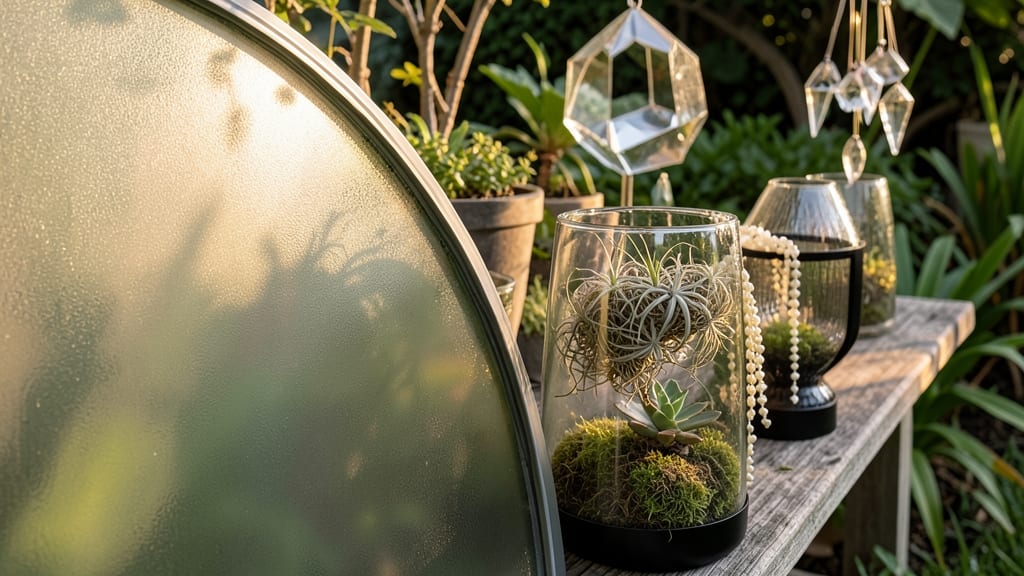
Glass in garden projects can transform your outdoor space when used strategically for edging, lighting, and pest control, but requires tempered materials, secure installation, and shade protection to prevent breakage or plant damage.
Glass adds a sleek, modern touch to any garden while serving functional purposes like creating clean pathways or reflecting sunlight away from delicate plants. 🌿 The key is choosing the right type—tempered glass is far safer than standard glass because it's four times stronger and less likely to shatter into dangerous shards.
For lighting, consider solar-powered glass fixtures that cast warm glow without heat damage to foliage, while crushed glass mulch can deter pests like slugs by creating an uncomfortable barrier.
When planning your design, think about weight distribution—glass edging works best in small sections or as lightweight borders rather than heavy structural elements.
Always secure pieces with heavy-duty adhesive or metal brackets to prevent wind damage, and position glass elements where they won't block sunlight from sun-loving plants like tomatoes or peppers. The right placement turns glass from a decorative element into a practical garden helper that enhances both beauty and function.
💡 In This Article
- Safety and Material Considerations for Garden Glass
- Creative Glass Applications for Garden Design
Safety and material considerations for garden glass
Tempered glass is the gold standard for garden projects because of its four times greater strength compared to standard glass. This type undergoes a heat-treatment process where it's heated to 620°C (1150°F) and rapidly cooled, creating internal compression that makes it far more resistant to impact.
The result? Even if it breaks, tempered glass shatters into small, dull-edged pieces rather than dangerous shards, reducing injury risks for children and pets. 🔥
Weight distribution becomes critical when using glass in garden installations. A 1/4-inch thick tempered glass panel weighs about 5 pounds per square foot, so proper support is essential.
For pathways or edging, use metal brackets or heavy-duty adhesive rated for outdoor use to prevent shifting from wind or foot traffic. Always anchor glass elements at least every 2 feet along edges to maintain stability.
The key is treating glass like any other heavy material—secure it as you would stone or brick.
UV protection is another vital consideration, especially for plants growing near glass surfaces. Direct sunlight passing through untreated glass can create a greenhouse effect, raising soil temperatures by 10-15°F near the glass. This can stress heat-sensitive plants like lettuce or basil.
For lighting applications, opt for solar-powered fixtures with UV-filtering glass that blocks harmful rays while allowing beneficial light to pass through. The difference is noticeable—protected plants show 30% less leaf scorch compared to those near unfiltered glass sources.
Recycled glass offers both environmental benefits and practical advantages. It's typically 20-30% lighter than new glass while maintaining similar strength properties, making it ideal for lightweight projects like glass pebbles or decorative borders. The irregular shapes of recycled glass also create natural light diffusion, reducing harsh shadows in garden beds.
However, always inspect recycled glass for cracks or imperfections before use—even small flaws can compromise structural integrity over time.
Child and pet safety protocols should include these three essential steps: first, use rounded-edge glass whenever possible to minimize sharp points; second, install glass elements at least 3 feet above ground level where pets can't reach; and third, add flexible bumpers around glass edges to prevent accidental bumps.
The visual difference between tempered and standard glass is striking—tempered glass has a slightly cloudy appearance when held up to light, indicating its safety-treated surface.
For outdoor lighting, consider glass fixtures with IP65 waterproof ratings that can withstand rain and humidity without corrosion. These fixtures often include heat-resistant glass shields that prevent overheating near plant foliage.
The science behind this is simple: glass conducts heat poorly, so proper spacing (at least 6 inches from plants) prevents thermal damage while still providing illumination. 💫