
Planting
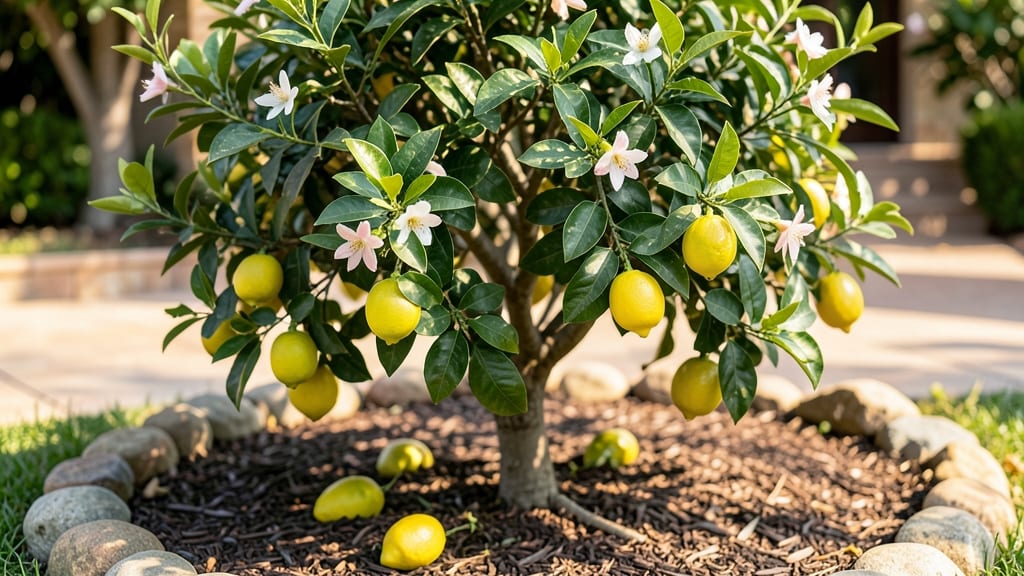
Gardening in Zone 9A thrives with heat-tolerant plants like citrus, bougainvillea, and okra, while avoiding frost-sensitive species. Plant warm-season crops after the last frost (mid-March to April) and cool-season veggies in fall or winter for optimal growth in this Mediterranean climate zone with mild winters and hot summers.
Zone 9A's Mediterranean climate—think 70-90°F winters and 90-110°F summers—creates a unique growing environment where tropical plants flourish year-round. 🌿 The key is leveraging the long frost-free season (about 300 days) to grow everything from avocados to peppers, but timing matters: heat waves can stress plants just as much as cold snaps.
I've found that mulching and drip irrigation help maintain moisture during those scorching afternoons, while shade cloth protects delicate greens from too much sun.
For example, citrus trees love the mild winters but need well-draining soil to prevent root rot—a common issue in Zone 9A's heavier clay soils. Meanwhile, okra and sweet potatoes thrive in the summer heat, while kale and broccoli prefer the cooler fall months.
The secret? Plan your garden like a chef's menu: balance heat-lovers with cool-season stars to keep your harvests coming all year.
💡 In This Article
- Understanding Zone 9A Climate and Plant Hardiness
- Zone 9A Planting Calendar for Year-Round Success
Understanding zone 9A climate and plant hardiness
Zone 9A's Mediterranean climate is defined by its mild winters (average lows of 30-35°F) and hot, dry summers (often exceeding 100°F). The USDA hardiness zone system categorizes this region based on the average annual minimum temperature, which for Zone 9A ranges between 25-30°F.
This means plants must survive brief cold snaps but thrive in prolonged heat—unlike frost-prone zones where winter dormancy is essential.
The 300-day frost-free period allows for year-round gardening, but humidity plays a critical role. Coastal areas like Southern California experience moderate humidity (40-60%), while inland desert regions can drop below 20%.
This affects plant selection: succulents and cacti flourish in dry climates, while tropical plants like hibiscus need consistent moisture. Soil type also matters—clay-heavy soils dominate many areas, requiring amendments like compost or sand to improve drainage for citrus and vegetables.
Microclimates further complicate plant hardiness. A north-facing wall can create a 5-10°F cooler zone ideal for heat-sensitive greens, while a south-facing slope may push temperatures 10°F higher, favoring drought-tolerant species.
For example, rosemary thrives in full sun on slopes but may struggle in shaded, cooler spots. Understanding these variations helps gardeners place plants precisely for optimal growth.
Heat waves are the biggest challenge in Zone 9A. When temperatures exceed 95°F for extended periods, even drought-resistant plants like bougainvillea may wilt.
Mulching with 3-4 inches of wood chips retains soil moisture, while drip irrigation delivers water directly to roots—critical for vegetables like tomatoes that bolt (flower prematurely) in extreme heat. Shade cloth (30-50% coverage) protects leafy greens from sunburn during summer's peak intensity.
Soil pH also influences plant health. Citrus trees prefer slightly acidic soil (pH 6.0-7.0), while vegetables like peppers thrive in neutral to slightly alkaline soil (pH 6.5-7.5).
Testing your soil's pH and adjusting with lime (to raise pH) or sulfur (to lower it) ensures nutrients are available when plants need them most. For instance, a pH below 5.5 can lock out essential nutrients like phosphorus, stunting growth.
What most gardeners overlook is the wind factor. Coastal areas experience steady breezes that increase evaporation, while inland valleys can trap heat. Windbreaks made of bamboo or native shrubs reduce stress on young plants, while trellises elevate vining crops like cucumbers to improve air circulation and prevent fungal diseases.
These small adjustments make a big difference in survival rates during Zone 9A's extreme seasonal shifts.