
Tools
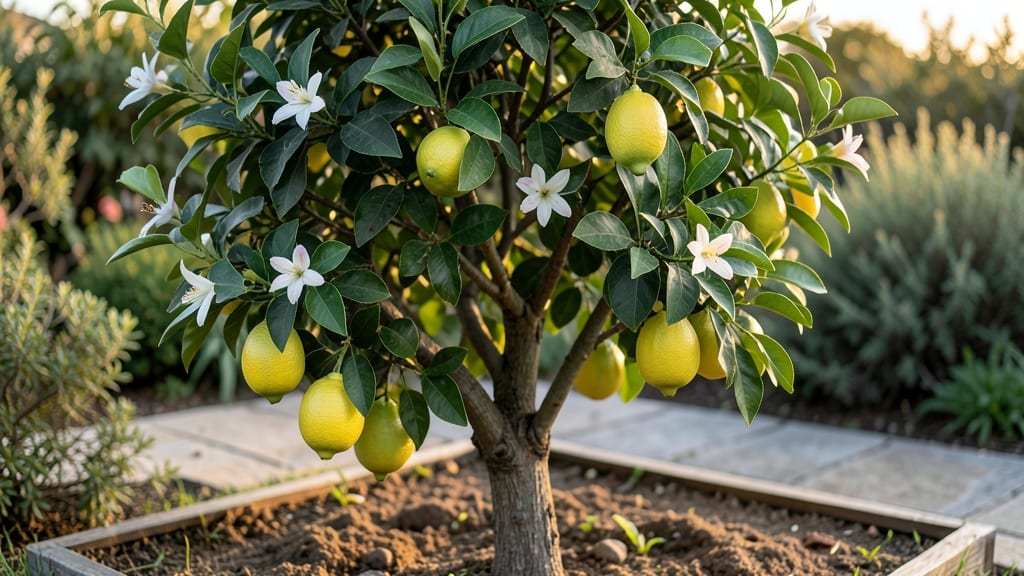
Garden Zone 9B, with its mild winters (25°F to 30°F average minimums), enables extended growing seasons when you plan around frost risks. Start hearty greens like kale in late fall, wait until mid-March for tomatoes, and shield delicate plants with row covers during unexpected cold snaps.
This zone's unique climate—where coastal areas stay frost-free longer than inland spots—means your planting timeline should account for microclimates. 🌱 For example, citrus trees thrive year-round in coastal Zone 9B but may need winter protection in valleys.
I always check my local frost clock (a free tool from the National Weather Service) to fine-tune my schedule, since sudden cold snaps can drop temps faster than the USDA map predicts.
Pro tip: Use mulch to insulate soil and extend harvests. A 3-inch layer of straw keeps roots warmer in winter and cooler in summer, while black plastic mulch speeds up spring planting by raising soil temps.
These small adjustments turn Zone 9B's challenges into opportunities for longer harvests and fewer losses.
💡 In This Article
- Understanding Zone 9B Frost Patterns and Microclimates
- Seasonal Planting Calendar for Zone 9B Gardens
Understanding zone 9B frost patterns and microclimates
Zone 9B's frost risks stem from its narrow temperature range between 25°F and 30°F (-4°C to -1°C), where even small drops can damage tender plants.
Coastal areas like Southern California rarely see frost, while inland valleys (like the Central Valley) experience sudden cold snaps when Arctic air masses push through.
These temperature swings happen because cold air is denser and sinks into valleys, creating inversion layers where frost forms at ground level while upper elevations stay warmer.
The USDA zone map shows average minimums, but local conditions vary dramatically. For example, Los Angeles coastal gardens might see frost only once every 10-20 years, while inland areas like Riverside average 2-3 frost days annually.
Elevation changes of just 500 feet can shift frost risk by weeks—higher spots warm up faster in spring but cool quicker in fall.
Urban heat islands also play a role: Concrete and asphalt absorb heat during the day and radiate it at night, creating 5-10°F warmer microclimates in city gardens compared to rural areas.
Sudden cold snaps often occur when high-pressure systems stall over the region, trapping cold air. These events can drop temperatures 15°F in 24 hours, catching gardeners off guard.
The National Weather Service's frost clock tool predicts these shifts by tracking atmospheric patterns, giving gardeners a 3-5 day warning to protect plants. I've found that monitoring both the 10-day forecast and the frost advisory alerts helps me time vulnerable plantings like basil or eggplant precisely.
Microclimates create opportunities too. South-facing slopes receive 2-3 more hours of sunlight daily, delaying frost formation by 1-2 weeks compared to north-facing areas.
Wind patterns matter too—coastal breezes moderate temperatures, while sheltered spots can see frost even when nearby areas don't. This is why I always plant frost-sensitive crops like tomatoes on south-facing slopes and use windbreaks in exposed garden corners.
To adjust your zone understanding, note that:
- Coastal Zone 9B: Rare frost (1x/decade), longer growing season
- Inland Zone 9B: 2-3 frost days/year, needs winter protection
- Urban areas: 5-10°F warmer at night than rural zones
Pro tip: Place a minimum-maximum thermometer in your garden for a full season to document your local frost patterns. This data becomes your new planting guide—far more accurate than generic zone maps.
I've seen gardens in the same postal code vary by 2 weeks in frost dates just based on microclimate differences.