
Planting
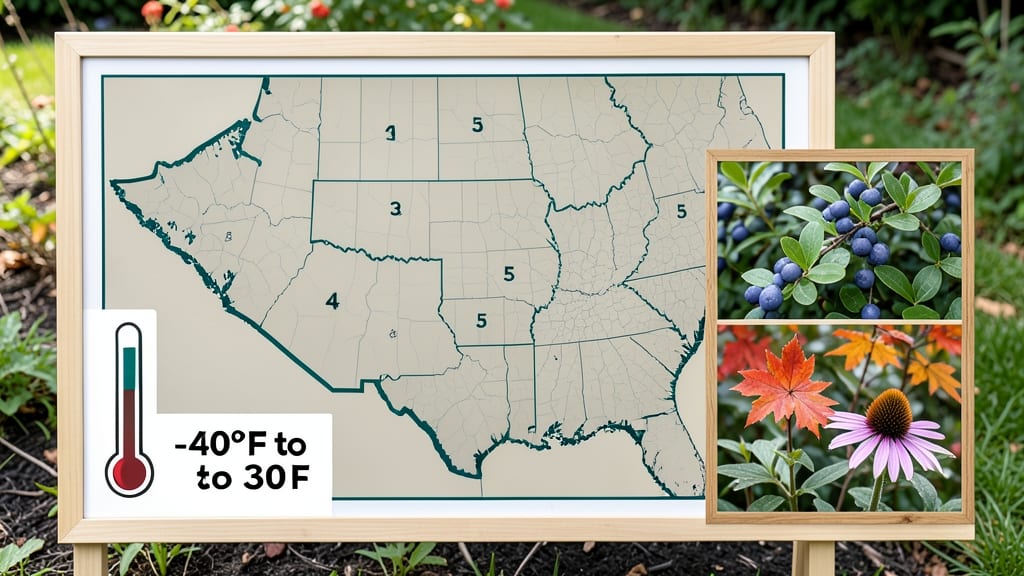
What gardening zone is Maine in? The state falls within USDA Hardiness Zones 3 through 6, with coastal areas typically in Zones 5-6 and northern regions in Zones 3-4. For exact planting windows, consult the USDA Plant Hardiness Zone Map by county.
Maine's diverse geography creates these zone variations—coastal areas benefit from milder winters due to ocean currents, while inland regions experience harsher cold snaps. 🌲 For example, Portland's Zone 5-6 allows for earlier spring planting compared to northern Aroostook County's Zone 3-4.
Understanding these differences helps you align planting schedules with your local microclimate for healthier plants and better yields.
This zone range explains why you might see blueberry bushes thriving in southern Maine but struggling in northern areas without winter protection. The USDA map becomes your gardening GPS, showing exactly where your county falls and when to expect that critical last frost date.
💡 In This Article
- How Maine’s Climate Affects USDA Gardening Zones
- Planting Deadlines by Maine County and Zone
How Maine’s climate affects USDA gardening zones
Maine’s gardening zones reflect its dramatic climate contrasts, where ocean currents and elevation create stark differences just miles apart. The Gulf of Maine’s warm waters moderate coastal temperatures, keeping areas like Portland and Bangor in Zones 5-6 with average winter lows around 0°F to 10°F.
Meanwhile, inland regions like Presque Isle plunge to -20°F to -30°F, earning them Zones 3-4. This coastal-inland divide creates a 10-15°F temperature gradient across the state—equivalent to moving from New York City to Chicago in just 100 miles! 🌊
The USDA Zone Map accounts for these extremes by measuring average annual minimum temperatures over 30 years. For example, a plant rated for Zone 5 must survive a 15°F to 20°F winter, while Zone 3 plants endure -40°F.
Maine’s northern counties often see 100+ days below freezing annually, while coastal areas might experience only 50 days. This explains why hardy perennials like coneflowers thrive in southern Maine but need winter mulch in northern regions. The map’s precision helps gardeners select plants that match their local frost risk.
Microclimates add another layer of complexity. A south-facing slope in Zone 5 might warm 5-10°F faster than a north-facing yard, extending the growing season by 2-3 weeks. Urban areas like Portland also experience the "heat island effect," where pavement and buildings raise temperatures by 2-5°F compared to rural zones.
These variations mean your neighbor’s Zone 5 garden might have a 14-day head start on planting tomatoes—even if you’re just a few miles apart! 🌡️
Elevation plays a surprising role too. Mount Katahdin’s summit (5,269 ft) sits in Zone 2-3, while its base in Zone 4 shows how 1,000 feet of elevation can drop temperatures by 3.5°F.
This vertical shift affects frost dates: highland areas may see their last spring frost 2 weeks later than valley gardens. The USDA map’s contour lines visually represent these gradients, helping you pinpoint your exact microclimate within a broader zone.
For practical gardening, these climate factors translate directly to planting windows. Coastal Zone 5-6 gardeners can start warm-season crops like peppers 2-3 weeks earlier than Zone 3-4 growers in the north.
The map’s frost-date data becomes your planting calendar—knowing your county’s average last frost (e.g., May 15 in Portland vs June 10 in Presque Isle) determines when to move tender plants outdoors. This precision reduces the guesswork in Maine’s unpredictable growing seasons.
What most gardeners don’t realize is how wind patterns amplify these effects. Coastal areas experience wetter, saltier winds that can stress plants, while inland regions face drier cold snaps.
The USDA zones don’t account for wind chill, so adding 10-15°F to your zone’s minimum temperature gives a more accurate survival threshold for delicate perennials. This adjustment explains why a Zone 5 plant might survive in sheltered inland gardens but struggle in exposed coastal spots.