
Planting
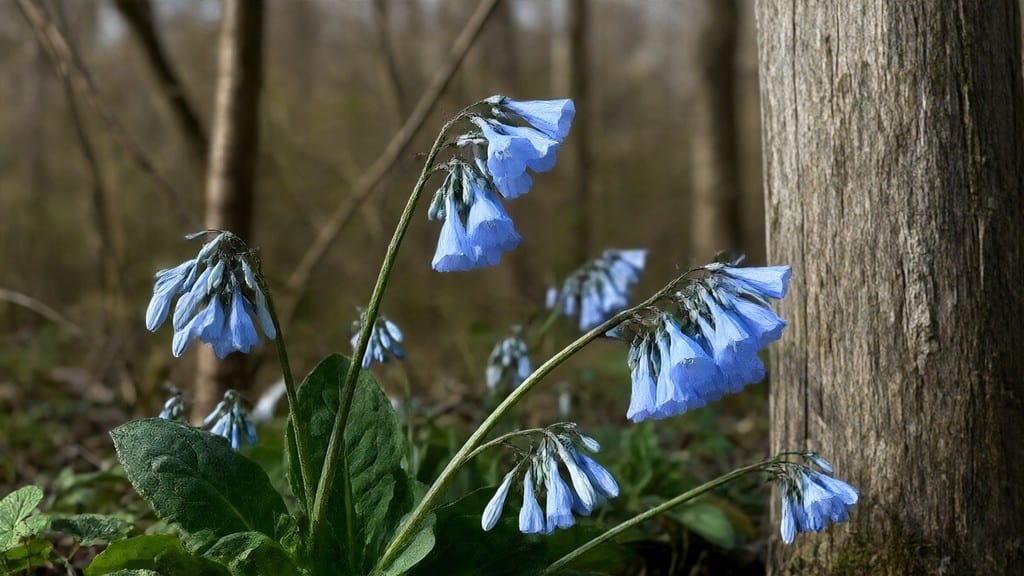
Gardening in Virginia (VA) means working with a climate that’s as varied as its landscapes—from the damp coastal plains to the cooler mountain highlands.
If you’ve ever watched your spring seedlings freeze under a late frost or struggled to keep summer tomatoes from wilting in the heat, you know Virginia’s 6a-8a zones demand a tailored approach. But with the right timing, you can turn those challenges into a year-round harvest.
This isn’t just about planting in March or August—it’s about matching your garden to your microclimate. Whether you’re in Norfolk’s humidity or Roanoke’s cooler air, the key is knowing when to start seeds, protect tender plants, and extend your growing season.
Below, I’ll break down the zone-specific calendar that keeps your garden thriving from frost to frost, plus the simple tricks to beat Virginia’s most stubborn growing seasons.
Virginia’s 7 USDA zones: what they mean for your planting schedule
Virginia spans USDA zones 5a to 8a, creating dramatic differences in frost dates and growing seasons from the coastal plains to the mountains. In zone 5a (high elevations like Roanoke), gardeners face earlier frosts and shorter summers, while zone 8a (Norfolk) enjoys longer growing seasons and subtropical influences.
Understanding your zone helps you time plantings perfectly—avoiding frost damage to tender seedlings or missing harvest windows.
Your last spring frost ranges from March 15 in coastal areas to April 15 inland, while the first fall frost arrives between October 15 (inland) and November 1 (mountains). These dates dictate when to plant cool-season crops (like kale) versus warm-season crops (like tomatoes).
Even within a zone, microclimates—like urban heat islands or sheltered valleys—can shift frost dates by 1-2 weeks.
Here’s how Virginia’s zones break down for planting schedules, with key frost dates and ideal windows for vegetables, flowers, and perennials:
🌱 Did You Know? The Shenandoah Valley (zone 6b) often enjoys 10-14 extra frost-free days than nearby cities due to its elevated, protected location. This microclimate lets gardeners plant tomatoes 2 weeks earlier than Richmond.
| Zone | Avg. Last Frost | Avg. First Frost | Spring Planting Window | Fall Planting Window | Key Crops |
|---|---|---|---|---|---|
| 5a (High Mountains) | April 20 | October 10 | May 1–June 15 | July 15–Aug 15 | Potatoes, peas, broccoli |
| 6a (Piedmont) | April 10 | October 20 | April 15–May 30 | July 1–Aug 30 | Tomatoes, peppers, zucchini |
| 6b (Shenandoah Valley) | April 5 | October 25 | April 1–May 20 | June 15–Sept 1 | Sweet corn, cucumbers |
| 7a (Richmond) | March 25 | November 1 | March 15–May 15 | June 1–Sept 15 | Okra, southern peas |
| 7b (Tidewater) |
Month-by-month planting guide for Virginia gardens (zone-specific)Virginia’s diverse USDA zones (5a-8a) mean your planting schedule should shift depending on whether you're in the coastal Tidewater region or the Appalachian Mountains. I’ve tailored this guide to highlight cold-hardy greens for winter, heat-tolerant tomatoes for summer, and Virginia-native perennials that thrive year-round. Whether you're sowing heirloom beans in May or winter kale in November, this calendar keeps your garden productive. For Zone 6a (mountains), expect later last frosts (April 15) and earlier first frosts (October 15), while Zone 8a (coastal) enjoys a longer growing season (March 15 to November 1). Use this comparison to adjust timing for your microclimate—urban heat islands may extend summer planting by 2-3 weeks compared to rural areas. Below, I’ve organized monthly planting tasks by category: cool-season crops, warm-season crops, flowers, and perennials. Focus on succession planting for continuous harvests, like bush beans every 2 weeks from May to July, or spinach in fall for winter greens. Pro Tip: Always check your last frost date (use Virginia Cooperative Extension’s frost maps) and adjust by 2-4 weeks if you’re using row covers or cold frames. For example, cabbage can be sown 6 weeks before last frost in Zone 7a, but extend that to 8 weeks in Zone 6a. Here’s a quick comparison of key planting windows for Virginia’s most productive crops, including Virginia-native plants like wild bergamot and Virginia bluebells that require minimal care once established. 🌱 Did You Know? Virginia’s heirloom varieties, such as ‘Virginia Sweets’ corn or ‘Old Virginia’ tomatoes, are bred for local resilience. Prioritize these for flavor and disease resistance in your garden. Virginia Planting Calendar by Month
Zone-Specific Tasks for Year-Round Success
Month
Cool-Season Crops
Warm-Season Crops
Flowers & Perennials
Virginia-Native Plants
January
Plant onion sets, spinach, kale (Zone 7a-8a)
—
Force daffodils, tulips indoors
Prune winterberry, serviceberry
February
Sow peas, lettuce, radishes (Zone 6a-8a)
Start tomato, pepper seeds indoors
Plant pansies, calendula
Divide Virginia bluebells
March
Direct-sow broccoli, cabbage, carrots
Transplant eggplant, squash after last frost
Plant snapdragons, nasturtiums
Plant wild columbine seeds
April
Sow beets, turnips, swiss chard
Plant tomatoes, peppers, beans
Direct-sow marigolds, zinnia
Mulch Virginia sweetspire
May
Succession-sow lettuce, spinach for fall
Plant okra, sweet potatoes (Zone 7a-8a)
Deadhead black-eyed Susans
Plant eastern redbud seeds
June
Harvest cool-season crops; mulch beds
Plant malabar spinach (heat-tolerant)
Plant sunflowers, cosmos
Water Virginia creeper deeply
July
Sow fall broccoli, cauliflower (Zone 6a)
Succession-plant bush beans
Deadhead coneflowers for fall blooms
Fertilize wild bergamot
August
Direct-sow <
|