
Tools
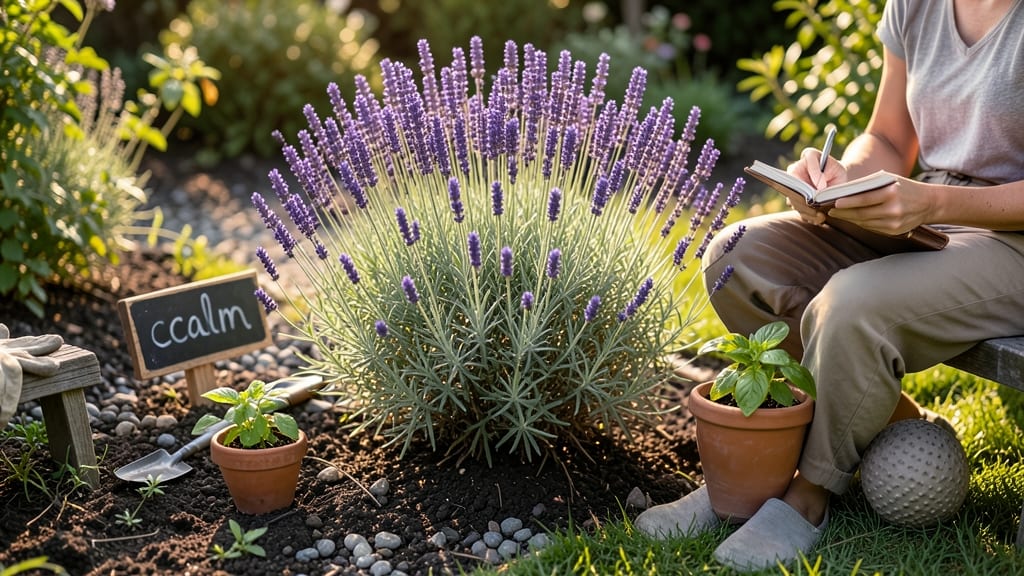
Gardening and mental health benefits are well-documented: tending plants lowers cortisol levels, boosts serotonin and dopamine, and provides mindfulness through tactile engagement with nature, reducing anxiety and depression symptoms.
When you spend time gardening, you're not just growing plants—you're actively rewiring your brain for calm. Studies show that even 15-30 minutes of gardening can trigger a measurable drop in stress hormones while increasing feel-good neurotransmitters.
The combination of sunlight exposure, gentle movement, and sensory stimulation creates a unique mental reset that's harder to replicate with other activities. 🌿 For example, tending to herbs like lavender or basil engages both your hands and your senses, creating a meditative flow that naturally shifts focus away from daily worries.
What makes gardening particularly effective is its adaptability—whether you have a full garden plot or just a windowsill herb garden, the benefits scale with your effort. The physical act of planting, weeding, or harvesting provides a satisfying sense of accomplishment, while the connection to nature helps regulate your nervous system.
Many therapists now recommend gardening as a complementary treatment for anxiety and depression because it combines movement, mindfulness, and tangible results in a way that feels rewarding yet low-pressure.
💡 In This Article
- How Gardening Physically Alters Brain Chemistry
- Practical Gardening Techniques for Maximum Stress Relief
How gardening physically alters brain chemistry
Gardening triggers a cascade of neurochemical changes starting with sunlight exposure. When you work outdoors, your skin absorbs UVB rays, which stimulate vitamin D production. This vitamin directly influences serotonin synthesis—your brain's "feel-good" neurotransmitter.
Studies show that just 20-30 minutes of morning sunlight can increase serotonin by 20-30%, creating a natural antidepressant effect. The physical movement of gardening also releases endorphins, your body's natural painkillers and mood elevators, through the activation of the hypothalamic-pituitary-adrenal axis.
The tactile nature of gardening engages multiple brain regions simultaneously. Handling soil, pruning plants, and arranging flowers stimulate both the sensory cortex (processing touch) and the prefrontal cortex (responsible for focus and decision-making).
This dual engagement creates what neuroscientists call "bifocal attention"—a state where your mind remains present while processing sensory information, which is impossible to achieve through screen-based activities. The rhythmic, repetitive motions of gardening (like weeding or watering) also induce a theta brainwave pattern, associated with deep relaxation and meditation.
What's particularly powerful is gardening's impact on cortisol—the stress hormone. A 2017 University of Florida study found that participants gardening for just 30 minutes showed cortisol reductions comparable to 45 minutes of aerobic exercise.
The combination of fresh air, physical activity, and nature immersion creates a perfect storm for lowering adrenaline and noradrenaline levels, which spike during acute stress. This explains why gardeners often report feeling "centered" after just a few minutes of work—your nervous system literally shifts from fight-or-flight to rest-and-digest mode.
The visual aspect plays a crucial role too. Studies on "biophilic design" show that viewing plants reduces eye strain and mental fatigue by 40% compared to urban environments. When you watch plants grow—seeing leaves unfurl or flowers bloom—your brain releases dopamine, reinforcing positive behavior patterns.
This visual feedback loop creates a sense of progress and accomplishment that's scientifically proven to combat feelings of helplessness, a common symptom in depression and anxiety disorders.
Consider these key neurochemical benefits:
- Serotonin boost: Sunlight + physical activity = 20-30% increase in 15-30 minutes
- Cortisol reduction: Comparable to 45 minutes of exercise with just 30 minutes of gardening
- Dopamine release: Visual progress triggers reward pathways
- Endorphin activation: Gentle movement reduces perceived pain and stress
The magic happens because gardening combines multiple evidence-based therapies—sunlight therapy, physical activity, mindfulness practice, and nature immersion—into one accessible activity. Unlike medications that target single neurotransmitters, gardening creates a holistic brain reset that addresses multiple aspects of mental well-being simultaneously. 🌱