
Pruning
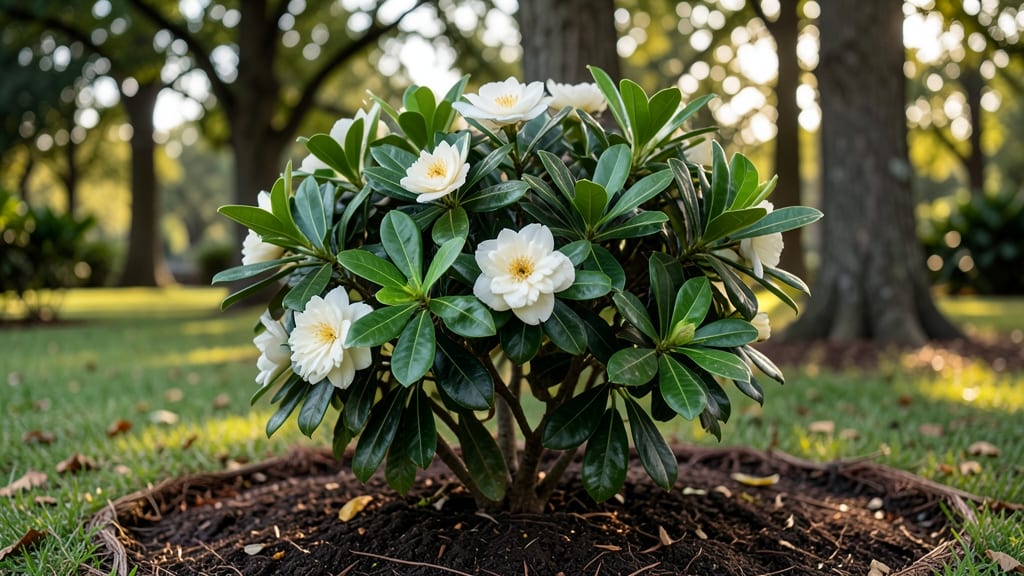
Controlling the height of a gardenia tree 🌸 is all about choosing the right variety and pruning at the right time—because what starts as a 3-foot dwarf can easily become a 12-foot giant if left unchecked.
If you’re dreaming of fragrant white blooms but worried about your garden’s space, understanding how tall gardenia trees grow—and how to control their height—is essential for happy gardening.
Some varieties, like the compact 'Radicans', max out at 5 feet, while others, such as the standard 'Kleim’s Hardy', can tower to 15 feet without pruning. The difference? Variety, sunlight, and your pruning habits.
In this guide, I’ll break down how fast gardenias grow, the best dwarf options for small spaces, and the step-by-step pruning techniques to keep them at your ideal height—whether that’s a 3-foot hedge or a 6-foot statement plant.

How tall do gardenia trees grow? Natural height ranges and growth rates
If you’re planning to add a gardenia tree to your landscape, knowing its mature height is key to choosing the right spot. These tropical beauties can range from compact shrubs to towering specimens, depending on the variety and growing conditions.
On average, gardenia trees reach 6 to 15 feet at maturity, but some dwarf varieties stay under 3 feet, making them perfect for containers or small gardens.
The growth rate of gardenia trees varies by cultivar and climate. In ideal conditions—like warm, humid environments—they can grow 1 to 2 feet per year during their first few years.
However, in cooler climates or with less sunlight, growth may slow significantly. Understanding these factors helps you plan for long-term space needs and pruning requirements.
| Variety | Mature Height | Growth Rate (First 3 Years) | Sunlight Needs |
|---|---|---|---|
| 'Radicans' | 8–12 ft | 1–2 ft/year | Partial shade |
| 'Kleim’s Hardy' | 6–10 ft | 1 ft/year | Full sun to partial shade |
| 'Veitchii' | 3–5 ft (dwarf) | 6–12 in/year | Partial shade |
| 'Fortuniana' | 10–15 ft | 1.5–2 ft/year | Partial shade |
| 'August Beauty' | 5–8 ft (semi-dwarf) | 1 ft/year | Partial shade |
Sunlight plays a crucial role in determining how tall your gardenia tree will grow. While they thrive in partial shade—especially in hot climates—they still need 4 to 6 hours of morning sun to fuel healthy growth. Too much direct afternoon sun can stress the plant, slowing its vertical expansion.
In cooler climates, like USDA Zone 8 or lower, gardenia trees may grow more slowly due to shorter growing seasons, often reaching maturity in 5 to 7 years instead of 3.
Climate also impacts height. In humid, tropical regions, gardenia trees like 'Fortuniana' can grow aggressively, reaching their maximum height of 15 feet in as little as 5 years. Meanwhile, in drier or cooler areas, the same variety might only reach 8 to 10 feet over a decade.
This is why choosing the right variety for your climate is essential for managing height expectations.
If you’re working with limited space, consider dwarf varieties like 'Veitchii,' which max out at 3 to 5 feet. These are ideal for containers, patios, or small gardens and still produce fragrant blooms without dominating your landscape.
Even standard varieties can be pruned to control height, but this requires regular maintenance to keep them in check.
For fast-growing gardenia trees, focus on providing well-draining, acidic soil (pH 5.0–6.5) and consistent moisture. Overwatering or poor drainage, however, can stunt growth or even kill the plant. Mulching around the base helps retain moisture and encourages steady, upward growth without excessive legginess.
When planning your garden layout, account for the mature height of your gardenia tree. A 10-foot tree planted too close to a house or driveway can become a maintenance headache over time.
Always leave at least 6 to 8 feet of clearance around the base to allow for airflow and future pruning. This also prevents root competition with nearby plants.
One common misconception is that all gardenia trees grow at the same rate. In reality, 'Radicans' and 'Fortuniana' are among the fastest growers, while 'Veitchii' remains compact. Knowing these differences helps you select the perfect tree for your garden’s size and style.
For example, a semi-dwarf variety like 'August Beauty' is a great middle-ground option for medium-sized yards.
To encourage balanced growth and prevent your gardenia tree from becoming top-heavy, prune it lightly after flowering. This not only controls height but also promotes bushier foliage and more blooms. Just avoid heavy pruning in late summer or fall, as this can reduce next year’s flower production.
🌸
Pruning gardenia trees for height control: step-by-step techniques
Controlling the height of gardenia trees starts with smart pruning techniques that encourage compact growth while preserving those fragrant white blooms. Since gardenias can reach 6-15 feet if left unchecked, strategic pruning in the right season makes all the difference.
The key is timing—prune at the wrong time, and you risk stunted blooms or leggy growth.
For best results, focus on spring pruning (just as new growth emerges) to shape your gardenia without sacrificing next year’s flowers. Summer pruning is possible but requires caution—cutting back too late can delay blooming.
Always use sterilized pruning shears to prevent disease, and never remove more than 1/3 of the plant in a single session.
Step-by-Step Pruning Guide for Compact Gardenias
- 1 Choose the right season: Prune in early spring (March-April) when buds swell but before leaves emerge. Avoid pruning after June 1 to protect blooms.
- 2 Gather your tools: Use bypass pruners for clean cuts, sterilized alcohol wipes to disinfect tools, and sharp loppers for thicker branches. Avoid dull tools that tear bark.
- 3 Identify dead or weak wood: Remove dying branches first—look for brown stems, no leaves, or cracks. Cut back to the main stem or healthy growth. This improves air circulation.
- 4 Shape for fullness: Cut back overlong branches to encourage bushier growth. Aim for a rounded shape—never prune more than 1/3 of the plant in one year. Focus on outer branches first.
- 5 Clean up cuts: Seal larger cuts (1/2 inch thick) with pruning sealant to prevent disease. For small cuts, leave them open—gardenia bark heals naturally. Remove all clippings from the area.
- 6 Fertilize after pruning: Apply acidic fertilizer (10-10-10) 4-6 weeks post-pruning to support new growth. Water deeply to help roots recover. Avoid heavy feeding if pruning in late summer.
One common mistake is pruning too aggressively to control height quickly, which can shock the plant and reduce blooms. Instead, aim for gradual height reduction—cutting back 6-12 inches per year keeps gardenias manageable without stress. For dwarf varieties, light pruning to shape is often enough.
Pro tip: Pinch back new growth in early summer (June-July) to encourage denser foliage. This is especially useful for potted gardenias where space is limited. Always wear gloves—gardenia leaves can cause skin irritation for some people.
After pruning, monitor your gardenia for new growth in 4-6 weeks. If you see sparse blooms the following year, you may have pruned too late. Adjust your timing next season to early spring for optimal results.
With patience, your gardenia will stay lush, fragrant, and perfectly sized for your space! 🌸✂️🌿