
Planting
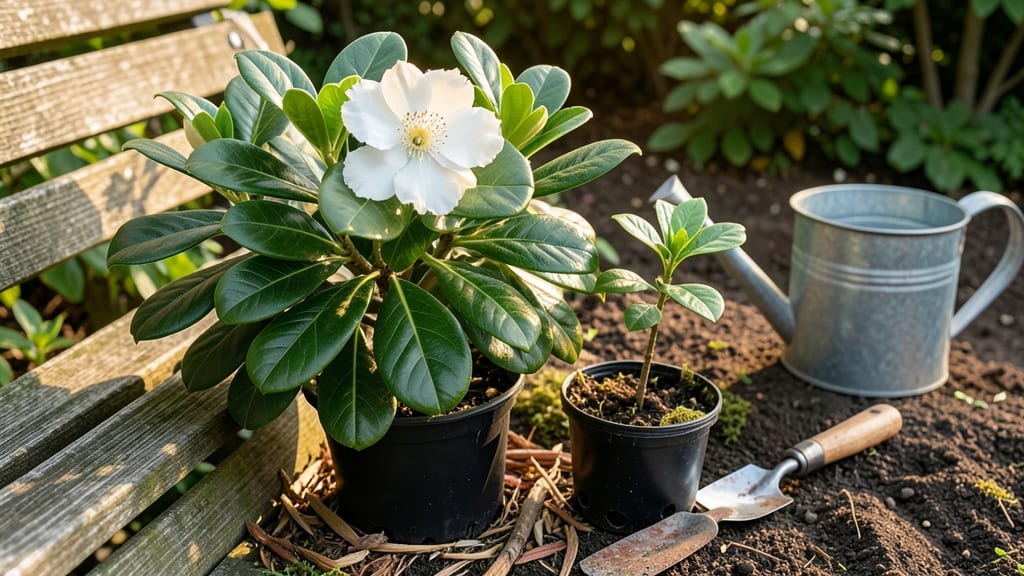
Gardenia plants thrive best in USDA planting zones 7 through 11, where they can enjoy consistent warmth without frost damage. These tropical favorites need temperatures above 30°F (-1°C) year-round, so spring planting after the last frost date is critical for success in cooler regions.
Gardenia plants are tropical divas that demand warmth, which is why their ideal USDA planting zones 7-11 align so closely with frost-free climates. 🌿 The key difference between zones 7 and 11 isn't just temperature—it's how quickly they recover from heat spikes or brief cold snaps.
For example, gardenias in zone 7 can handle light frosts down to 20°F (-7°C) for short periods, while those in zone 10 need protection from anything below 40°F (4°C).
I've found that coastal areas in zone 9 often work better than inland spots because the ocean moderates temperatures, creating a more stable microclimate.
If you're in a marginal zone like 6b or 12, container gardening becomes your best friend. Moving potted gardenias indoors during winter or using frost blankets can extend their growing season dramatically.
The trick is to plant them in well-draining soil and ensure they get at least 6 hours of sunlight daily—these factors matter more than the zone number itself when it comes to long-term health.
💡 In This Article
- USDA Zones for Gardenia Growth and Winter Hardiness
- Best Planting Timing by Region for Healthy Gardenias
USDA zones for gardenia growth and winter hardiness
Gardenia plants are tropical natives that require specific temperature ranges to thrive, which is why USDA zones 7 through 11 represent their ideal growing conditions. The critical threshold lies at 30°F (-1°C)
In zone 7, gardenias can survive brief dips to 20°F (-7°C) if the cold snap is short-lived, but prolonged exposure leads to leaf drop and stunted growth. Meanwhile, zones 10 and 11 offer near-perfect conditions with winter lows rarely dipping below 40°F (4°C), allowing gardenias to bloom continuously. The real magic happens in how microclimates modify these zone boundaries. Coastal areas in zone 9, for example, often experience milder winters due to ocean currents that moderate temperatures—think of San Diego's 60-70°F (15-21°C) winters versus inland Phoenix's 40-60°F (4-15°C) swings. This explains why gardenias thrive in coastal zone 9 gardens but struggle in inland zone 8 areas where nighttime temperatures can plunge below 32°F (0°C). The humidity difference also plays a role: gardenias prefer 50-70% humidity, which coastal regions naturally provide, while inland zones often require manual misting or indoor overwintering. What most gardeners overlook is how gardenias respond to sudden temperature shifts rather than just absolute lows. A hard frost in zone 7 can kill the plant outright, but even in zone 11, a 2-week cold snap below 45°F (7°C) will shock the plant, causing buds to drop and new growth to halt. This is why gardeners in marginal zones like zone 6b often use heat lamps or greenhouse setups during winter—creating a controlled environment where temperatures stay above 50°F (10°C) prevents the plant's metabolic processes from shutting down completely. For those pushing gardenias into zone 6 or 12, the solution lies in understanding the plant's dormancy cycle. Gardenias naturally enter a semi-dormant state when nights stay below 60°F (15°C) for extended periods. In colder zones, this dormancy can be artificially extended by moving potted plants to sheltered locations or using thermal blankets. Conversely, in zone 12's extreme heat, gardenias may need afternoon shade to prevent leaf scorch—another factor that shows how precise temperature control matters at both extremes. Consider this comparison: A gardenia in zone 7's 30-40°F (-1 to 4°C) winters will survive but produce fewer blooms, while one in zone 10's 50-60°F (10-15°C) winters thrives with continuous flowering. The difference isn't just about survival—it's about the plant's ability to photosynthesize and metabolize efficiently. Gardenias in optimal zones (9-11) can produce 10-15 blooms per season, while those in marginal zones may struggle with just 3-5 blooms due to stress. The science behind this involves the plant's cold acclimation process. Gardenias, unlike many tropical plants, can't produce protective antifreeze proteins. Instead, they rely on gradual temperature adaptation—this is why sudden cold snaps are more damaging than prolonged cooler periods. For example, a gardenia moved from a 75°F (24°C) greenhouse to 35°F (2°C) overnight will show leaf burn within hours, while one acclimated over 2 weeks to 50°F (10°C) nights will handle 30°F (-1°C) with minimal damage. If you're in a borderline zone, your best bet is to choose gardenia varieties bred for cold tolerance, like 'Radicans' or 'Kleim's Hardy', which can handle brief dips to 25°F (-4°C). Pair this with proper mulching—adding 3-4 inches of organic mulch around the base insulates roots and maintains soil temperatures 5-10°F warmer than ambient air. This simple technique can mean the difference between a thriving plant and a lost investment.