
Planting
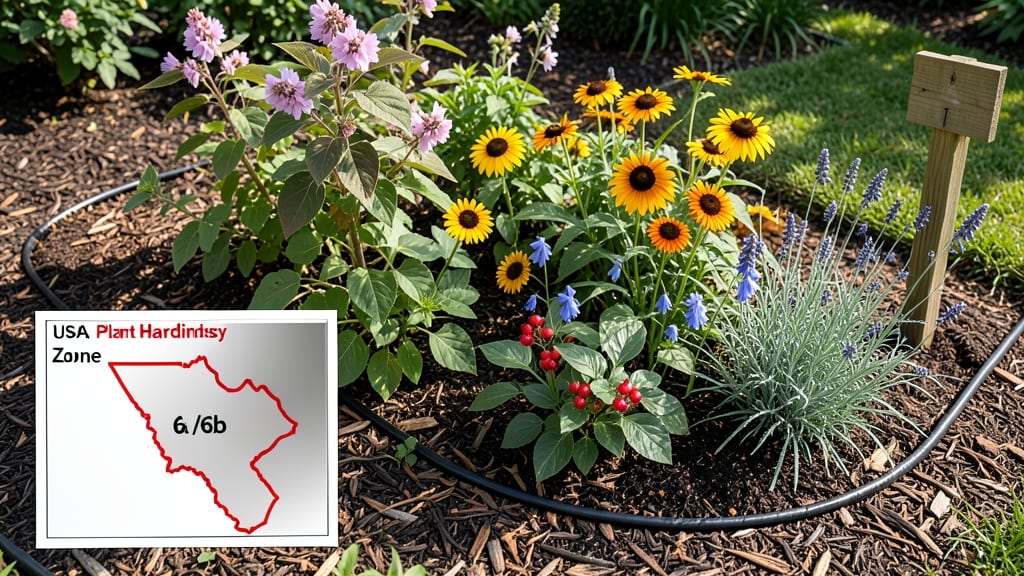
Cincinnati gardening zone includes USDA Hardiness Zones 6a-6b and Plant Hardiness Zone 7a, with frost-free periods spanning from mid-April to mid-October. This climate supports cold-resistant perennials like tulips and boxwoods while allowing warm-season vegetables to flourish during summer months.
Cincinnati's gardening zone classification reflects its humid continental climate, where temperature shifts create distinct planting windows. 🌱 The city's urban areas often experience slightly warmer microclimates due to pavement and buildings, while rural zones near the Ohio River may see earlier frost.
This variation means gardeners should adjust planting dates by 1-2 weeks depending on their specific neighborhood—downtown areas typically stay warmer longer than northern suburbs.
Understanding these patterns helps you select the right plants for your space. For example, zoned 6a-6b perennials like coneflowers and daylilies thrive with minimal winter care, while heat-loving tomatoes and peppers need protection from late-summer humidity.
The key is matching your garden's microclimate to the plants you choose, ensuring both beauty and productivity throughout the growing season.
💡 In This Article
- Understanding Cincinnati’s Microclimates and Frost Patterns
- Best Plants for Cincinnati’s Zone 6a-7a Climate
Understanding Cincinnati’s microclimates and frost patterns
Cincinnati’s gardening zone isn’t uniform—urban heat islands, river valleys, and elevation changes create distinct microclimates that shift frost dates by 1-3 weeks across neighborhoods. Downtown areas, surrounded by concrete and buildings, often stay 2-5°F warmer than northern suburbs like Montgomery or Sharonville, delaying last frosts until mid-to-late April.
Meanwhile, river valleys like the Ohio River basin can experience earlier frosts in fall due to cold air pooling, sometimes as early as late September in low-lying areas.
The city’s 300-foot elevation change from north to south also plays a role—higher areas (like Anderson Township) tend to have cooler nights and slightly earlier frosts. This is why gardeners in these zones might see Zone 6a conditions more often, while downtown gardens edge closer to Zone 7a.
The Ohio River’s influence is particularly notable: areas within 1 mile of the water can experience 30% more humidity, which protects plants from extreme cold but also encourages fungal growth during warm, damp springs.
These microclimates affect planting strategies significantly. For example, tender perennials like lavender (Zone 5-9) might survive winters in downtown gardens but fail in northern suburbs. Similarly, tomatoes planted in late May could face frost risk in higher elevations but thrive in downtown containers.
To adapt, use local frost date records from sources like the National Weather Service’s Cincinnati office—historical data shows downtown’s last frost averages April 15, while northern suburbs often see theirs April 22.
Another critical factor is the urban heat island effect, which can raise soil temperatures by 5-10°F in paved areas. This creates opportunities for earlier spring planting in urban gardens but also increases water needs for heat-sensitive plants.
For instance, peppers and eggplants (Zone 10+) can sometimes be grown in downtown containers with careful watering, while the same varieties would struggle in cooler suburban yards without row covers.
To mitigate risks, consider these adjustments:
- Downtown gardens: Extend the growing season by 1-2 weeks on both ends (plant warm-season crops by May 1 and harvest until mid-October)
- Northern suburbs: Wait until after May 15 for heat-lovers and use row covers for early spring planting
- River valleys: Choose frost-tolerant varieties (like 'Cold Set' tomatoes) and monitor nightly temps
For precise planning, observe your garden’s behavior for 3 years—note when frost occurs, how quickly soil warms in spring, and which microclimate patterns affect your space. This local data often reveals 1-zone variations from official classifications, helping you fine-tune your planting schedule for maximum success. 🌿