
Planting
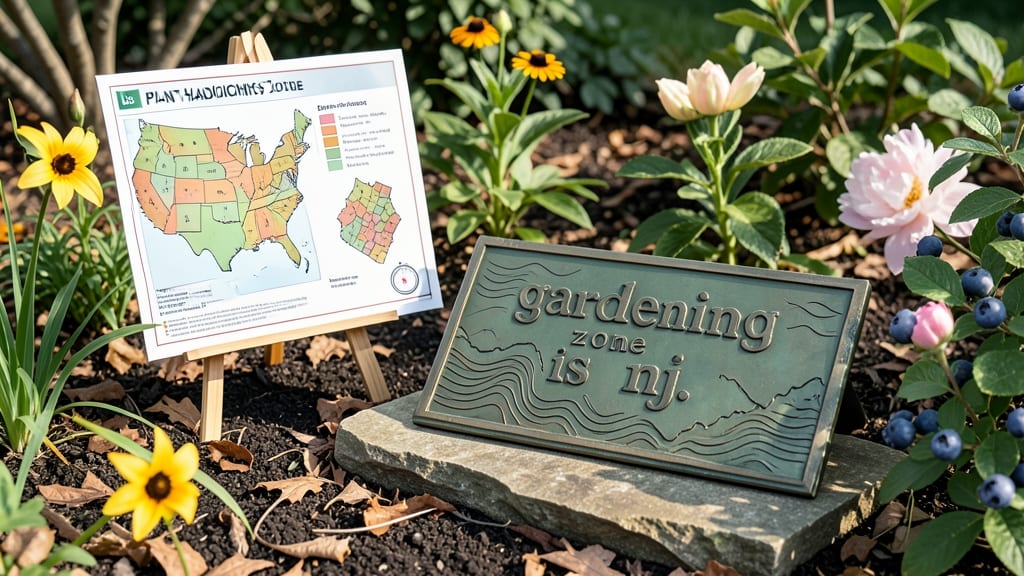
New Jersey's gardening zones range from USDA Zone 6a to 7b, with the majority of the state falling in Zones 6b and 7a, which directly influence when you can plant and what will thrive in your garden.
Understanding NJ's gardening zones is all about average winter lows—Zone 6a can handle down to -10°F, while Zone 7b stays above 5°F.
These temperature bands explain why coastal areas (like Cape May) often push into Zone 7b, while inland spots near the Delaware Water Gap may dip closer to Zone 6a. 🌱 The zone you're in determines your last spring frost date (typically April 15-May 1 in most of NJ) and first fall frost (usually October 15-November 1), which are critical for planning your planting calendar.
What's especially useful is knowing how these zones affect plant selection. For example, peonies and hostas thrive in Zone 6b, while hibiscus and bougainvillea prefer Zone 7b's milder winters.
The USDA map also helps explain why some gardeners in northern NJ might struggle with tender plants that succeed easily in southern NJ's warmer microclimates.
💡 In This Article
- How NJ’s USDA Zones Determine Plant Survival
- NJ Planting Season Deadlines by Zone
How NJ’s USDA zones determine plant survival
The USDA Plant Hardiness Zone Map divides NJ into bands based on the average annual minimum winter temperature, which is the critical factor for plant survival.
Zone 6a (-10°F to -5°F) covers the northernmost areas like Sussex County, while Zone 7b (15°F to 20°F) dominates the southern coast, including Cape May and Atlantic City.
These temperature ranges reflect NJ’s geographic diversity—coastal areas benefit from moderating ocean breezes, while inland regions experience colder snaps due to continental air masses. 🌡️
What makes this system work is that plants have specific cold tolerance thresholds.
For example, a Zone 6b plant (hardy to -5°F) will survive NJ’s typical winters, but a Zone 7b plant (hardy to 15°F) might get damaged in a northern NJ winter dip below 10°F. The map accounts for 30-year climate averages, so sudden cold snaps (like the 2014 polar vortex that hit -10°F in parts of NJ) can still stress plants outside their zone.
This is why gardeners often "overplant" cold-hardy varieties as insurance.
Microclimates add another layer of complexity. A south-facing slope in Zone 6b might warm up faster in spring, allowing earlier planting of frost-sensitive crops like tomatoes. Conversely, a low-lying area in Zone 7a could experience frost pockets that delay spring planting by 2-3 weeks.
Elevation also plays a role—higher elevations (like the Kittatinny Ridge) tend to be 1-2°F colder than valley floors, pushing zones slightly lower. These variations explain why a garden just 10 miles apart might have different frost dates.
Frost-free days are another key metric. Zone 6a areas average about 160 frost-free days annually, while Zone 7b regions enjoy 180-200 days. This directly impacts what you can grow—longer seasons allow for double-cropping of vegetables like lettuce or planting warm-season crops earlier.
For instance, sweet potatoes (which need 90-120 days to mature) thrive in Zone 7b but may struggle in Zone 6a unless started indoors. The zone system essentially tells you how long your growing season is and which plants will have time to complete their life cycle.
What most gardeners don’t realize is how soil temperature interacts with air temperature. Even if the air reaches 50°F in Zone 6b, the soil might still be below 55°F—the threshold for planting warm-season crops like peppers.
This is why seed packets often recommend waiting until "soil warms to 60°F" rather than just looking at air temperatures. The USDA zones provide a starting point, but local soil conditions and microclimates require additional adjustments for optimal plant performance. 🌱