
Light Requirements
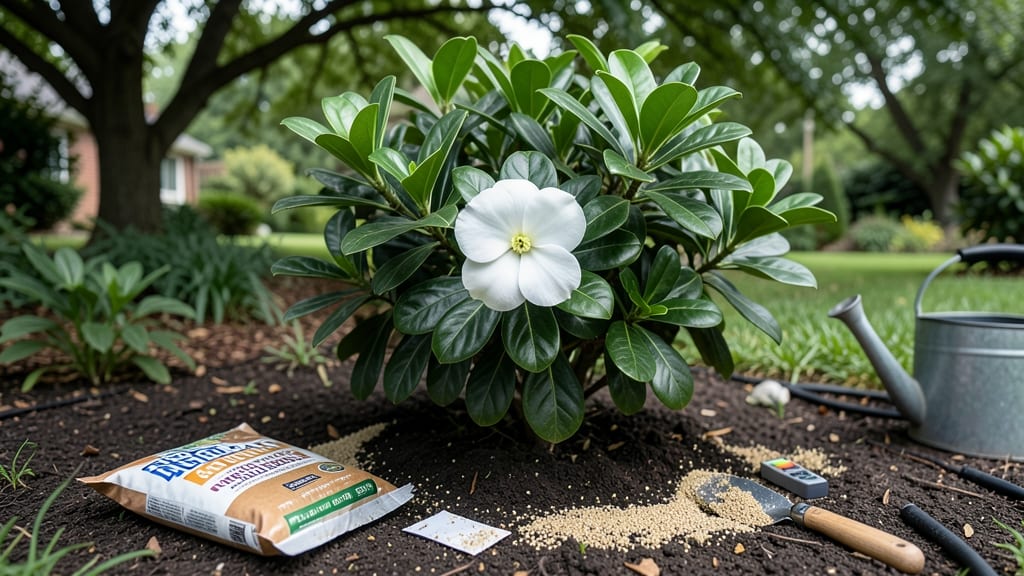
Struggling to get your gardenia to bloom? The secret might be hiding in your soil—and the right fertilizer. These acid-loving beauties demand precise care, but with the proper feeding schedule, you can transform sparse foliage into a fragrant, flower-filled paradise.
Most gardeners overlook the pH balance and nutrient ratios that make the difference between lush growth and leafy disappointment. A 10-10-10 or 8-3-9 blend is ideal, but timing matters just as much as the formula.
Below, I’ll break down the best organic and synthetic fertilizers, how often to apply them, and the telltale signs of over- or under-feeding—so you can finally enjoy those heavy-scented blooms you’ve been dreaming of.

Best fertilizers for gardenias: acidic soil nutrients breakdown
Gardenias thrive when their soil mirrors their natural tropical habitat—acidic, nutrient-rich, and well-draining. The right fertilizer isn’t just about nitrogen, phosphorus, and potassium (NPK). These plants crave micronutrients like iron and magnesium, which synthetic fertilizers often lack.
Without them, your gardenia might show yellow leaves or sparse blooms, despite your best efforts. Let’s break down the ideal fertilizers and how to use them for maximum blooms and lush foliage.
First, test your soil’s pH level. Gardenias demand a pH between 4.5 and 6.0—any higher, and they struggle to absorb nutrients. If your soil is too alkaline, you’ll need to amend it with sulfur or peat moss before fertilizing.
Once the pH is perfect, choose a fertilizer that matches your gardening style: organic slow-release or synthetic quick-acting. Both have pros, but the key is consistency and the right balance of nutrients.
Comparison of Gardenia Fertilizer Options
For organic gardeners, composted manure or worm castings are excellent choices. They improve soil structure while providing a steady supply of micronutrients. Mix 2-3 inches of compost into the topsoil annually, especially before the spring blooming season.
Pair this with a fish emulsion or seaweed extract every 6 weeks to give your gardenia a natural iron and magnesium boost, which prevents chlorosis (yellowing leaves).
If you prefer synthetic fertilizers, look for a balanced NPK ratio like 10-10-10 or 8-3-9, specifically formulated for acid-loving plants. These ratios ensure your gardenia gets equal parts nitrogen for leaf growth, phosphorus for root development and blooms, and potassium for overall plant health.
Always dilute liquid fertilizers to half-strength to avoid root burn. For potted gardenias, use water-soluble fertilizers every 4-6 weeks during the growing season.
Don’t overlook micronutrients. Gardenias often suffer from iron deficiency, which causes yellow leaves with green veins. To fix this, use an iron chelate fertilizer or apply
Gardenia fertilizing schedule: when and how to feed for maximum blooms
Timing and technique are everything when feeding your gardenia. These acid-loving shrubs thrive on a precise seasonal feeding schedule that matches their natural growth cycles. Unlike hardy perennials, gardenias respond best to balanced nutrition during their active months, while demanding a break during dormancy.
The key is avoiding over-fertilization—a common mistake that burns roots and stunts blooms.
I’ve found that gardenias prefer slow-release fertilizers in spring, followed by monthly liquid feeds during summer’s peak growth. Organic options like composted pine needles or coffee grounds (used sparingly) can also boost acidity while providing nutrients.
The goal? Mimic their natural tropical environment where nutrients are consistently available but never overwhelming.
🌱 Gardenia Fertilizing Schedule at a Glance
- 🌱 Spring (March-May): Start with slow-release granules at planting (NPK 10-10-10). Reapply every 6-8 weeks until buds form.
- ☀️ Summer (June-August): Switch to liquid feed every 4 weeks. Dilute to half-strength to avoid root burn. Watch for yellow leaves—a sign of overfeeding.
- 🍂 Fall (September-November): Stop fertilizing entirely. Gardenias prepare for dormancy; extra nutrients can encourage weak growth before winter.
- ❄️ Winter (December-February): Indoor plants only: Use light organic feed (e.g., fish emulsion) once every 8 weeks if grown under grow lights.
- 💡 Pro Tip: Always water before fertilizing to prevent root damage. Use rainwater or distilled water—tap water’s chlorine can harm acid-loving roots.
For granular fertilizers, I recommend applying them 2 inches away from the plant’s base and gently working them into the top 1-2 inches of soil. This keeps nutrients where the roots can access them without direct contact.
Liquid feeds, on the other hand, should be diluted to half-strength and applied to moist soil in the early morning to prevent leaf burn from concentrated salts.
Signs of under-fertilization include pale green leaves, slow growth, and fewer buds. If you notice these, increase your feeding frequency slightly—but never double the dose. Over-fertilization is just as damaging: brown leaf tips, crispy edges, and wilting despite watering are red flags.
In severe cases, flush the soil with 3-4 gallons of water to leach out excess salts.
Organic gardeners swear by coffee grounds or pine needle mulch to maintain soil acidity naturally. I’ve had success with a 1:1 ratio of composted pine needles to soil at planting time, which slowly releases nutrients while keeping the pH in check.
Just remember: fresh coffee grounds can compact soil and harm roots, so always compost them first.
Your gardenia’s blooming success hinges on this balance—consistent but measured feeding throughout its active months, with a strict pause during dormancy. Stick to this schedule, and you’ll be rewarded with glossy leaves and fragrant blooms that last for weeks. 🌸