
Fertilization
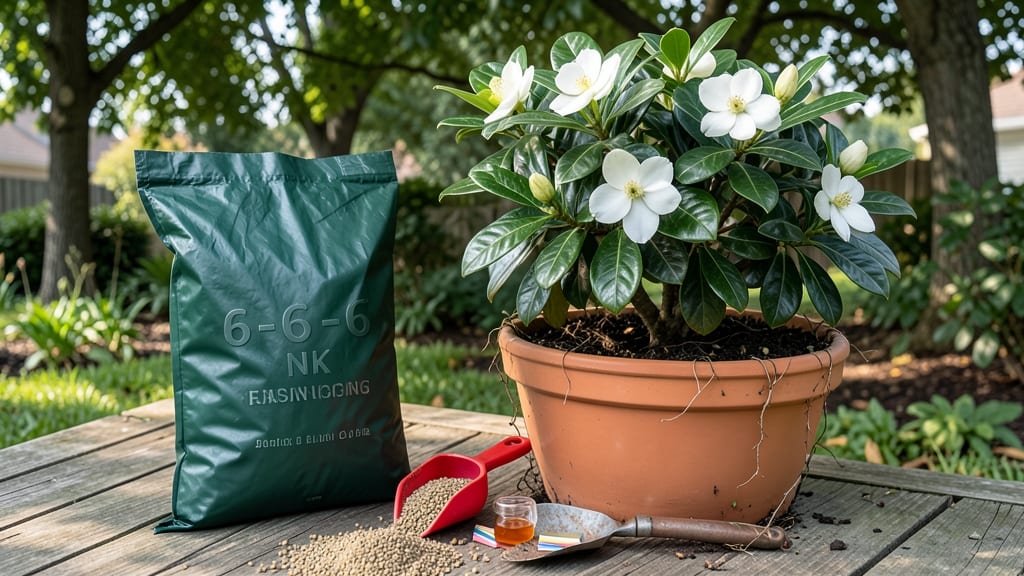
To keep your 🌸 gardenia blooming with those fragrant, creamy-white flowers, the right fertilizer ratio is the game-changer—one that most gardeners get wrong.
Picture this: you’ve pruned, watered, and even babied your gardenia, but the blooms are sparse or the leaves turn yellow. Chances are, your fertilizer mix is either too heavy on nitrogen (too much leaf, not enough flower) or lacks the acidity these tropical darlings crave.
The ideal gardenia fertilizer ratio is a balanced 6-6-6 or 8-3-9 blend with extra iron and magnesium, applied every 4-6 weeks during the growing season. But here’s the catch: timing matters just as much as the mix—feed too early or too late, and you’ll miss the blooming window entirely.
In this guide, I’ll break down the exact NPK ratios, organic vs. synthetic options, and a seasonal feeding schedule that turns your gardenia from a struggling shrub into a year-round bloomer. Let’s get those flowers fragrant again!
Optimal gardenia fertilizer ratio for maximum blooms
Your gardenia’s fragrant blooms and glossy foliage depend entirely on the right fertilizer ratio. Unlike many plants, gardenias thrive on a balanced NPK mix with extra attention to micronutrients like iron and magnesium. The ideal ratio isn’t just about numbers—it’s about timing, soil acidity, and adjusting for growth stages.
For example, a 6-6-6 or 8-3-9 blend works best, but the real magic happens when you tweak it for foliage growth (early spring) versus blooming season (summer).
Gardenias are acid-loving plants, so their fertilizer must complement a pH of 5.0–6.5. Synthetic fertilizers like Miracle-Gro Acid-Loving Plant Food (6-6-6) are convenient, but organic options like fish emulsion or cottonseed meal (1-2-2) can deliver similar results without risking salt buildup.
The key is consistency—over-fertilizing leads to leaf burn, while under-fertilizing starves your plant of the nutrients it craves for those iconic white blooms.
For organic gardeners, cottonseed meal (high in nitrogen) and kelp meal (rich in potassium) are excellent choices. Mix them into the soil in early spring to kickstart growth, then switch to a phosphorus-heavy blend like bone meal when buds form.
Synthetic fertilizers, on the other hand, offer precise ratios but require monthly soil checks to avoid salt accumulation, which can turn leaves yellow or crispy.
One of my biggest mistakes was using a high-nitrogen fertilizer (like 10-0-0) to encourage leafy growth—only to end up with fewer blooms and pale foliage. Gardenias need a balanced approach: nitrogen for leaves, phosphorus for roots and flowers, and potassium for disease resistance.
The 6-6-6 ratio is a safe starting point, but don’t hesitate to adjust phosphorus upward (e.g., 5-10-10) when you see buds forming.
Micronutrients are where gardenia care gets nuanced. Iron deficiency (common in alkaline soils) causes yellowing between leaf veins, while magnesium
Step-by-step acid-loving fertilizer schedule for gardenias
Gardenias thrive on a precise fertilizer schedule that mirrors their natural growth cycles. Since they’re acid-loving plants, their feeding plan must balance nutrients while maintaining soil pH between 5.0–6.5.
Overfeeding can scorch roots, while underfeeding leads to sparse blooms. The key is seasonal adjustments—heavy feeding in spring/summer and lighter touches in fall/winter.
For best results, use a slow-release fertilizer with an NPK ratio of 6-6-6 or 8-3-9, paired with micronutrients like iron and magnesium. Organic options (e.g., fish emulsion or peat moss) work well, but synthetic blends are faster-acting.
Always water plants before applying fertilizer to prevent root burn, especially in hot, dry climates.
🌱 Step-by-Step Acid-Loving Fertilizer Schedule
- 1 Spring (March–May): Heavy feeding to kickstart growth. Apply 1 tbsp slow-release fertilizer every 6 weeks (March, May). Use a 6-6-6 ratio to encourage foliage and root development. Mix with peat moss to maintain acidity.
- 2 Summer (June–August): Shift to a low-nitrogen, high-phosphorus fertilizer (e.g., 8-3-9 ratio) to promote blooming. Feed every 8 weeks (June, August). Avoid fertilizing in peak heat (July) to reduce stress.
- 3 Fall (September–November): Light feeding only. Apply half-strength fertilizer in September to support root hardening. Skip October–November unless plants are container-grown (use foliar spray with seaweed extract).
- 4 Winter (December–February): No fertilizer. Gardenias in zones 9–11 are semi-dormant; those indoors need zero feeding. Focus on humidity and indirect light instead. Resume feeding in late February for spring prep.
- 5 Year-Round Tip: Monitor soil pH quarterly. Use sulfur or aluminum sulfate to lower pH if needed. Yellow leaves? Flush soil with rainwater to remove salt buildup from fertilizers.
Signs of over-fertilization include crispy leaf edges or white salt deposits on soil. Under-fertilized gardenias show pale green leaves or no blooms. To fix, adjust your schedule: reduce frequency for overfed plants or increase micronutrients (like iron) for underfed ones.
Always apply fertilizer to moist soil and water thoroughly afterward to lock in nutrients.
For container gardenias, halve the fertilizer dose but apply it monthly (March–October). Potted plants dry out faster, so their roots need more frequent—but lighter—nutrient doses. Pair your feeding schedule with regular pruning after blooms fade to encourage new growth and next season’s flowers.
Pro tip: Mix 1 tbsp Epsom salt into your fertilizer every other feeding to boost magnesium levels, which prevents yellowing between leaf veins. This simple tweak can revive lackluster foliage in just 4–6 weeks.