
Fertilization
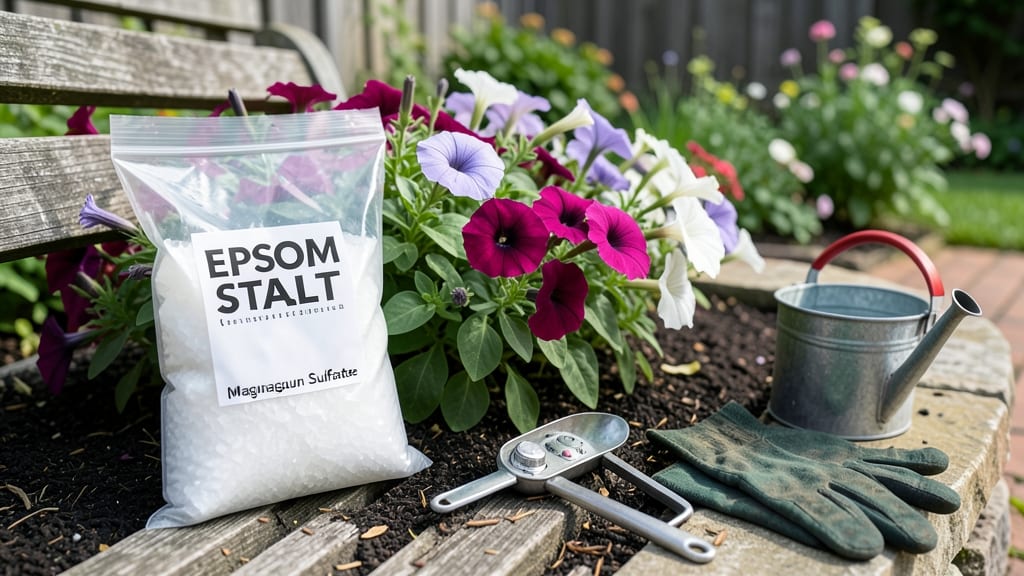
Using Epsom salt in your garden can revive struggling plants in just 24 hours with the right application—no fancy fertilizers needed.
Picture this: your tomatoes are wilting, your roses refuse to bloom, and the leaves on your peppers are turning yellow. You’ve watered them, adjusted the sunlight, even pruned back the dead growth—but nothing seems to help.
That’s where Epsom salt comes in as a game-changer for magnesium and sulfur deficiencies, often the hidden culprits behind weak plants.
This simple, budget-friendly mineral works faster than you’d expect, whether you’re mixing it into the soil at planting time or spraying it directly on leaves for an instant boost. But here’s the catch: overdo it, and you could do more harm than good.
I’ll walk you through the exact ratios, the best plants to treat, and how to avoid common mistakes so your garden thrives without the guesswork.
By the end, you’ll know exactly when to use Epsom salt, how much to apply, and which plants will respond best—plus a few DIY recipes to keep your General Garden Plants 🌱 lush all season long.
How Epsom salt instantly fixes nutrient deficiencies in plants
When your plants show signs of magnesium deficiency, like yellowing leaves or weak stems, Epsom salt can be a game-changer. This simple mineral supplement delivers fast results by providing magnesium and sulfur, two essential nutrients plants crave but often lack in standard soil.
The magic happens when these nutrients are absorbed quickly through leaves or roots, giving your garden a noticeable boost within 24-72 hours.
Many gardeners swear by Epsom salt for its ability to revive struggling plants without harsh chemicals. Whether you're dealing with tomatoes developing yellow edges or houseplants with pale foliage, this solution is affordable, easy to use, and works wonders for both vegetables and flowers.
The key is understanding how to apply it correctly—too much can harm your plants, but the right amount can transform their health overnight.
| Plant Type | Deficiency Signs | Epsom Salt Mix | Frequency |
|---|---|---|---|
| Vegetables (Tomatoes, Peppers) | Yellowing lower leaves, weak stems | 1 tbsp per gallon water (soil/foliar) | Every 2 weeks |
| Flowers (Roses, Petunias) | Pale leaves, poor blooms | 2 tbsp per 5 gallons water | Monthly |
| Houseplants (Ferns, Calatheas) | Yellow spots, limp leaves | 1 tsp per quart water (foliar) | Every 4 weeks |
| Citrus Trees | Yellowing between veins | 1 tbsp per foot height (soil) | Every 3 months |
Epsom salt works by delivering magnesium sulfate directly to plant roots or leaves. When applied to the soil, it dissolves quickly, making magnesium immediately available. For faster results, use a foliar spray—simply mix Epsom salt in water and spray it onto leaves.
This method is especially effective for plants showing yellowing between leaf veins, a classic sign of magnesium deficiency. The sulfur component also supports chlorophyll production, helping plants convert sunlight into energy more efficiently.
To apply Epsom salt to your garden, start by mixing 1 tablespoon per gallon of water for most plants. For foliar sprays, use this ratio and apply in the early morning to avoid evaporation.
For soil application, sprinkle 1 tablespoon per foot of plant height around the base and water thoroughly. Repeat every 2-4 weeks during the growing season, but avoid overusing it—excess magnesium can disrupt other nutrients like calcium.
One of the biggest mistakes gardeners make is assuming Epsom salt is a complete fertilizer. While it provides magnesium and sulfur, it lacks nitrogen, phosphorus, and potassium. For best results, combine it with a balanced fertilizer like 10-10-10.
Also, avoid using it on plants sensitive to magnesium, such as azaleas and blueberries, which prefer acidic soil. Always test your soil first to confirm deficiencies before applying Epsom salt.
For houseplants, dilute the solution further—use just 1 teaspoon per quart of water—to prevent salt buildup. Over time, excess salt can damage roots, so always rinse the soil lightly after application.
If you notice crusty soil or wilting leaves after treatment, flush the soil with plain water to restore balance. With the right approach, Epsom salt can be a powerful tool in your gardening arsenal, giving your plants the boost they need to thrive.
If your plants still struggle after a few applications, consider testing your soil’s pH and nutrient levels. Epsom salt works best in slightly acidic to neutral soil (pH 6.0-7.0).
For vegetables like tomatoes, which are heavy feeders, combine Epsom salt with compost or worm castings to ensure a steady supply of nutrients. The goal is to create a balanced growing environment, not just rely on one solution.
Remember, the key to success is consistency and moderation. Start with small doses and monitor your plants’ response. Within 1-2 weeks, you should see improved leaf color, stronger stems, and better overall growth.
For citrus trees and roses, which love magnesium, you might even notice an increase in fruit production or blooms. With this simple, budget-friendly trick, your garden can go from struggling to stunning in no time.
Don’t wait until your plants are in crisis to try Epsom salt—use it as a preventative measure during the growing season. A little maintenance now can save you from major deficiencies later.
Whether you're a seasoned gardener or just starting out, this trick is worth adding to your toolkit for healthy, vibrant plants all season long.
Best plants to treat with Epsom salt (and which to avoid)
Not all plants benefit from Epsom salt—some thrive with it, while others may suffer from overuse. Magnesium-loving plants like tomatoes, peppers, and roses absorb magnesium quickly, boosting growth and flower production. But acid-loving plants such as azaleas or blueberries can develop toxicity when exposed to excess magnesium.
Knowing which plants to treat—and which to avoid—is key to avoiding costly mistakes in your garden.
Epsom salt (magnesium sulfate) works wonders for vegetables, flowering plants, and citrus trees by preventing yellowing leaves and improving root strength. For example, tomatoes and peppers often show dramatic improvements within 2-3 weeks of treatment.
However, acid-loving shrubs like hydrangeas or rhododendrons may experience stunted growth if over-fertilized with magnesium. Always test your soil first to determine if a magnesium boost is truly needed.
Epsom Salt for Magnesium-Loving Plants
- ✅ Boosts flower and fruit production
- ✅ Strengthens cell walls and stems
- ✅ Prevents yellowing leaves (chlorosis)
- ✅ Budget-friendly and easy to apply
- ❌ Risk of over-fertilization if overused
- ❌ Can raise soil pH in acidic soils
- ❌ Not suitable for acid-loving plants
Epsom Salt for Acid-Loving Plants
- ✅ May help with calcium deficiencies in some cases
- ✅ Can improve soil structure in heavy clay
- ❌ Raises soil pH, harming acid-loving plants
- ❌ Can cause magnesium toxicity in sensitive species
- ❌ Worsens chlorosis in plants needing lower pH
For tomatoes, peppers, and roses, apply 1 tablespoon of Epsom salt per gallon of water every 2-4 weeks during the growing season. Citrus trees benefit from a monthly foliar spray (1 tablespoon per gallon) to prevent leaf drop.
Meanwhile, azaleas, blueberries, and hydrangeas should avoid Epsom salt entirely—opt for iron chelates or sulfur-based amendments instead to maintain their acidic soil needs.
If you’re unsure whether your plants need magnesium, look for yellowing between leaf veins (a classic sign of deficiency). For acid-loving plants, this symptom could also indicate low iron, but Epsom salt won’t help—it may even make things worse.
Always pair Epsom salt with a soil pH test to avoid unintended damage.
Pro tip: Mix Epsom salt into the soil at planting for a slow-release boost. For example, add 1 tablespoon per foot of plant height when transplanting tomatoes or peppers. Avoid applying it directly to acid-loving plants—stick to organic compost or peat moss instead.
Remember, Epsom salt is a supplement, not a replacement for balanced fertilization. Use it strategically to target specific deficiencies while monitoring your plants’ responses. With the right approach, you’ll see healthier foliage, bigger blooms, and stronger stems in no time! 🌱