
Pests
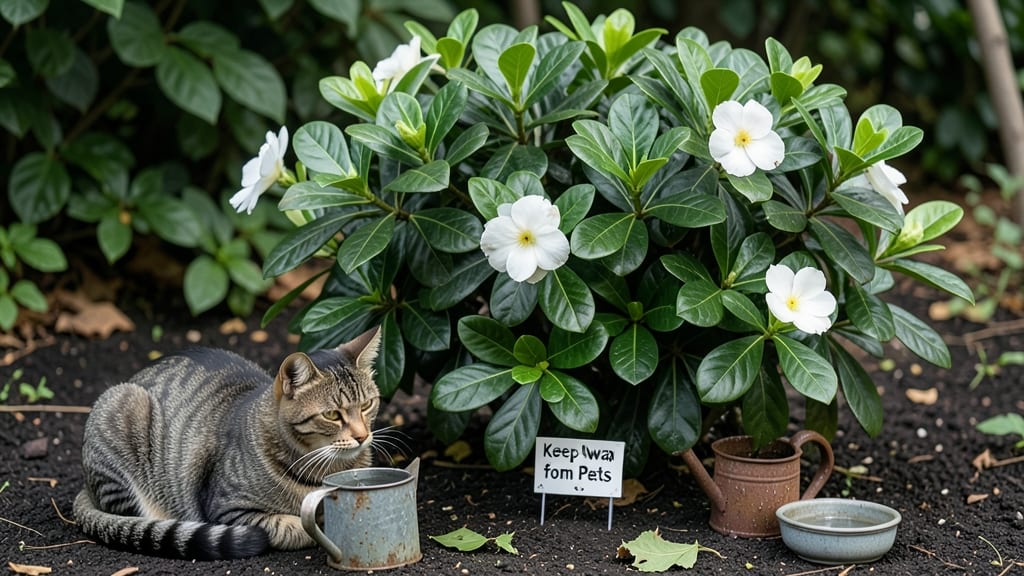
Gardenia plants and cats are a dangerous combination because all parts of the plant—leaves, flowers, and stems—contain gardenoside, a compound that triggers vomiting, drooling, and lethargy when ingested. Keep them out of reach or choose pet-safe alternatives like spider plants or Boston ferns.
This toxicity stems from the plant's natural defense chemicals, which cats can't metabolize properly. 🐱 Even small nibbles can cause digestive upset, and severe cases may lead to weakness or dehydration.
The good news? Many cat-friendly plants offer similar beauty without the risks—like African violets or sunflowers—which thrive indoors and won't harm curious paws.
If you suspect your cat has ingested gardenia, contact your vet immediately. Symptoms typically appear within 6-12 hours, but prompt action can prevent complications. For prevention, place gardenias in high shelves or opt for artificial versions in pet areas.
💡 In This Article
- Why Gardenia Toxicity Affects Cats
- Pet-Friendly Flowering Alternatives to Gardenias
Why gardenia toxicity affects cats
Gardenia plants contain a potent compound called gardenoside, a type of cyanogenic glycoside that breaks down into hydrogen cyanide—a toxic byproduct when ingested. This chemical acts as a natural defense mechanism for the plant, but cats lack the liver enzymes needed to safely metabolize it.
Even small amounts (as little as 0.5 grams of fresh leaves) can trigger reactions, as cats process toxins differently than humans due to their unique liver enzyme pathways.
The plant also contains saponins, which create a soapy texture when mixed with saliva. While not directly toxic, these compounds irritate a cat's mouth and digestive tract, leading to excessive drooling and vomiting.
The combined effect of gardenoside and saponins creates a two-pronged attack on a cat's system: immediate digestive distress followed by potential neurological effects like weakness or tremors. Symptoms typically appear within 6-12 hours of ingestion, giving pet owners a critical window for intervention.
Cats are particularly vulnerable because their smaller size means even tiny plant fragments can deliver a concentrated dose. A 10-pound cat might experience severe symptoms from nibbling just one leaf, while a larger cat could show mild reactions.
The plant's fragrance, which humans find pleasant, doesn't deter cats—some are actually drawn to the scent, increasing ingestion risks. This makes gardenias especially dangerous in homes where cats have unsupervised access to houseplants.
What makes this toxicity unique is how it affects both the digestive and nervous systems. Gardenoside disrupts cellular respiration, while saponins cause inflammation in the gastrointestinal tract. Together, they create a cascade effect: vomiting leads to dehydration, which then exacerbates weakness and lethargy.
In severe cases, cyanide poisoning can occur, though this is rare with gardenias compared to other toxic plants like lilies.
To put it in perspective, gardenias are about as toxic to cats as foxglove or oleander, though less immediately deadly. The key difference is that gardenias don't cause kidney failure (a common issue with lilies), but their effects on the digestive system can still be life-threatening if untreated.
Always monitor your cat's behavior after potential exposure, as subtle signs like hiding or loss of appetite can signal serious trouble.
If you're unsure whether your cat has ingested gardenia, look for these telltale signs: excessive drooling, repeated vomiting, weakness in the legs, or rapid breathing. These symptoms indicate the plant's compounds are already affecting your cat's system, and veterinary care should be sought immediately. 🐾