
Tools
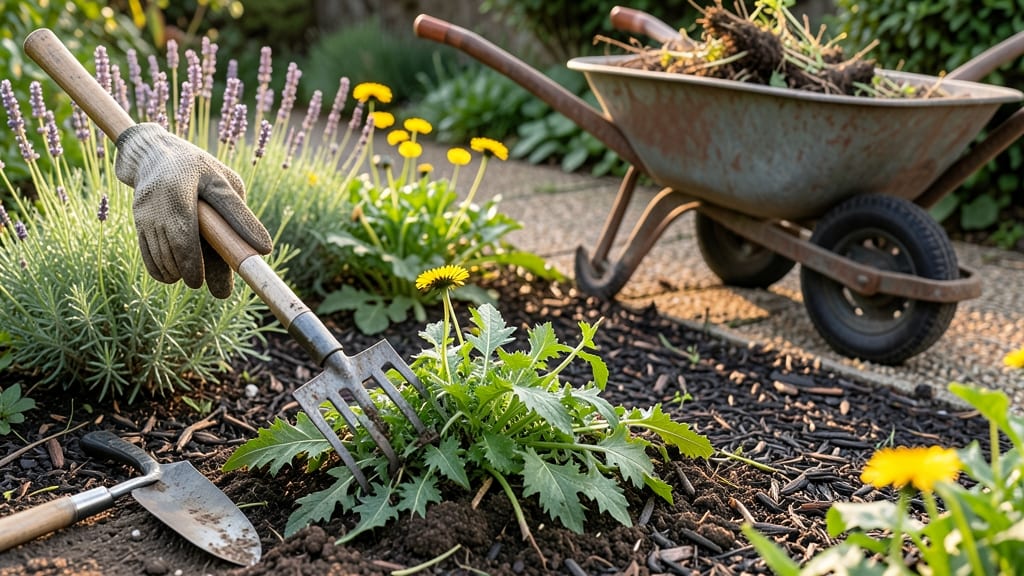
Garden weeds in the UK thrive in diverse climates, from broadleaf dandelions to creeping buttercups, and require targeted removal—pull young weeds by hand, use vinegar-based sprays for mature plants, or apply mulch to suppress regrowth. Seasonal timing and identification are key to effective control.
Dealing with garden weeds in the UK means understanding their seasonal behavior and regional differences. 🌱 Coastal areas often face salt-tolerant weeds like sea spurge, while temperate zones battle persistent bindweed that spreads aggressively in summer.
The key is acting early—young weeds are easier to remove by hand, while established plants need targeted solutions like vinegar sprays or organic mulches. I've found that timing matters most: spring is ideal for pulling weeds before they seed, while autumn mulching prevents winter regrowth.
For stubborn weeds like creeping buttercups, a mix of boiling water and corn gluten meal works best—it smothers roots without harming surrounding plants. Chemical options like glyphosate should be used carefully, following UK regulations for safe application. Always check local restrictions, as some areas limit herbicide use near water sources.
💡 In This Article
- Common UK Weeds and Their Seasonal Growth Patterns
- Natural and Chemical Weed Removal Methods for UK Gardens
Common UK weeds and their seasonal growth patterns
UK gardens host a diverse range of weeds, each with distinct seasonal cycles and growth habits. Broadleaf weeds like dandelions and creeping buttercups thrive in spring, sending up vibrant yellow flowers that spread seeds aggressively by early summer.
These weeds exploit the UK's mild winters and moist springs, with dandelions producing up to 15,000 seeds per plant—enough to colonize a garden in just one season. Their deep taproots (up to 6 inches) make them resilient to shallow removal methods.
The coastal regions of the UK face unique challenges, where salt-tolerant weeds like sea spurge and orache dominate. These species thrive in sandy soils near the shore, their succulent leaves storing moisture to survive windy conditions.
Inland temperate zones, however, battle persistent climbers like bindweed, whose roots can extend 15 feet underground and regrow from fragments as small as 1 inch. Summer is their peak growth period, when temperatures between 18-25°C accelerate their spread.
Autumn brings a different set of challenges, as weeds like nettles and chickweed prepare for winter. Nettles, with their stinging hairs containing formic acid, release seeds that germinate in cooler months, while chickweed's small, white flowers produce thousands of seeds that lie dormant until spring rains trigger germination.
The UK's variable climate—with 5-10°C temperature swings—creates ideal conditions for these opportunistic plants to thrive in garden cracks and disturbed soil.
Identifying weeds by leaf shape is crucial for effective control. For example, bindweed leaves are arrowhead-shaped and grow in a triangular pattern, while ground elder has broad, heart-shaped leaves with a distinctive 3-5 lobed structure.
These visual clues help determine the best removal method—hand-pulling works for young plants, but established weeds often require targeted herbicides or smothering techniques. 🌱
Seasonal timing directly impacts removal success. Spring is ideal for pulling weeds before they seed, while summer's heat makes boiling water treatments most effective. Autumn mulching with cardboard or straw blocks light, preventing winter germination.
In coastal areas, salt-tolerant weeds may require additional measures like sand mulching to alter soil conditions and suppress growth.
Understanding these patterns allows gardeners to shift from reactive to proactive weed management. For instance, applying corn gluten meal in early spring prevents seed germination, while targeted spot treatments in summer address established plants.
The key is observing your garden's specific weed population and adapting methods accordingly—what works for dandelions in a temperate zone won't be effective against sea spurge in coastal gardens.