
Tools
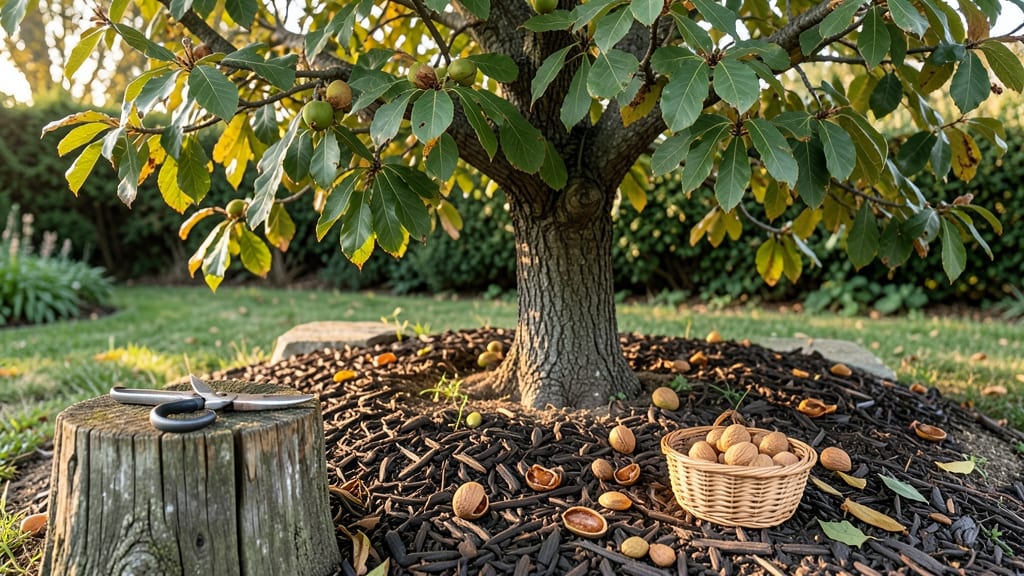
Creating a walnut garden menu means choosing diverse walnut varieties like Chandler, Serr, and Paradox to align with seasonal harvests, then designing dishes that showcase their unique flavors throughout the year.
A well-planned walnut garden menu transforms your harvest into a year-round culinary experience. 🌱 The key lies in matching each variety's peak season—Chandler's early harvest works perfectly for summer salads, while Paradox's late-season nuts shine in winter baking.
I've found that pairing green walnuts with spring dishes and fully mature nuts with autumn preserves creates a seamless progression. Plus, storing properly harvested walnuts extends their freshness, letting you enjoy their rich flavors even in winter months.
For maximum impact, consider how each variety's flavor profile enhances different dishes. Chandler's sweeter taste makes it ideal for candied walnuts, while Paradox's firmer texture holds up better in savory applications like pesto or stuffing.
This strategic pairing ensures no season goes to waste, and your menu stays vibrant from spring to winter.
💡 In This Article
- Best Walnut Varieties for Seasonal Garden Harvests
- Creative Walnut Garden Menu Ideas by Season
Best walnut varieties for seasonal garden harvests
The foundation of a successful walnut garden menu starts with understanding how different varieties mature at distinct times throughout the growing season. Chandler walnuts, for example, are early-season producers that typically reach harvest readiness by late August to early September.
Their sweeter, thinner-shelled profile makes them perfect for dishes where texture isn't the primary focus, like candied walnuts or smooth pesto sauces.
Meanwhile, Paradox walnuts—known for their exceptional cold hardiness—don't reach peak maturity until October to November, giving them a firmer bite and slightly more robust flavor ideal for baking or stuffing applications.
What most gardeners don't realize is how chill hours dramatically impact walnut varieties. Chandler requires 400-600 chill hours (hours below 45°F) to properly set buds, while Paradox thrives with 800-1,000 chill hours. This means your geographic location dictates which varieties will perform best.
For instance, in Southern California's mild winters, Chandler might struggle to produce reliable crops, while Paradox would excel. The soil pH also plays a crucial role—walnuts prefer 6.0-7.5 pH, with anything below 5.5 risking nutrient deficiencies that affect both yield and flavor development.
Flavor profiles vary significantly between varieties, which directly impacts how you'll use them in your menu.
Chandler's higher sugar content (measured at 18-22% sugar by weight) makes it ideal for sweet applications, while Serr's medium-sweet profile (around 15-18% sugar) works beautifully in savory dishes where you want a balanced nutty flavor without overpowering other ingredients.
The key is to match each variety's peak harvest window with dishes that will showcase its unique characteristics—this is how you create a truly seasonal culinary experience.
Harvest timing isn't just about when the nuts fall from the tree—it's about their moisture content and shell hardness. Chandler walnuts should have a moisture content of 5-7% at harvest, while Paradox can tolerate slightly higher moisture (7-9%) due to its thicker shell.
If harvested too early, the nuts won't store well; too late, and they'll develop off-flavors. This is why many professional growers use a walnut tester—a simple hand-held device that measures shell hardness—to determine optimal harvest time.
Understanding these technical details ensures you're getting the best possible flavor and texture for your menu dishes.
Consider this practical example: If you're planning a summer menu featuring fresh walnut salads, Chandler's early harvest gives you a 4-6 week window to incorporate them before they need to be processed for storage.
Meanwhile, Paradox walnuts harvested in late fall can be stored properly and used in winter baking, creating a natural progression from fresh to preserved applications. This strategic planning is what transforms a simple walnut harvest into a year-round culinary resource.
For gardeners in cooler climates, the late-season varieties like Paradox become particularly valuable. Their ability to handle -15°F to -20°F temperatures means you can extend your growing season and harvest later into autumn.
This extended harvest window gives you more flexibility in menu planning, allowing you to incorporate walnuts in both early fall harvest dishes and winter storage applications. The result is a more resilient garden that can support a more diverse menu throughout the year.