
Tools
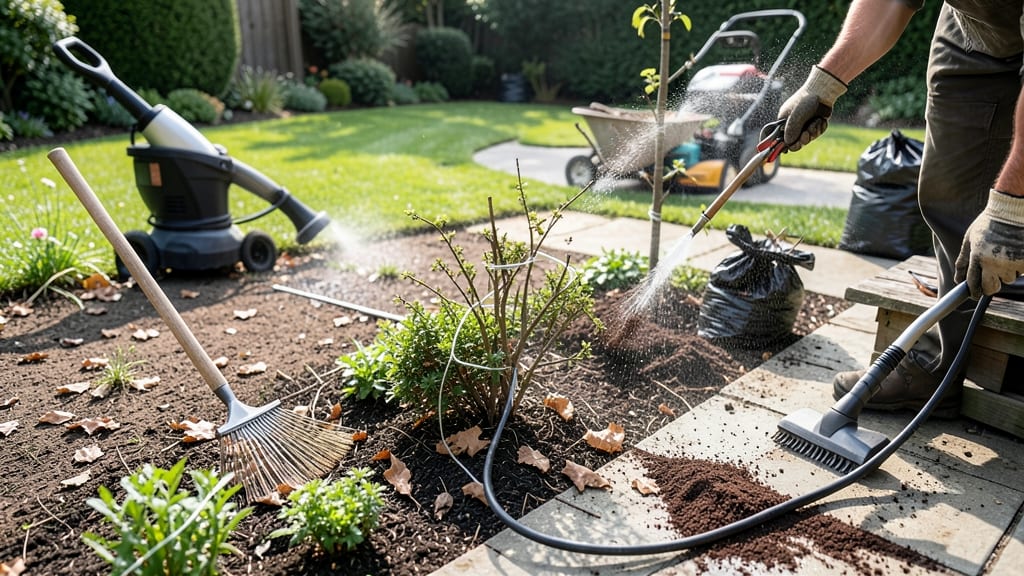
Choosing garden cleaning services means carefully assessing their expertise in yard maintenance, plant protection, and eco-friendly practices to protect your landscape while keeping your space pristine. Prioritize licensed teams with transparent pricing and strong customer feedback.
When selecting a service, focus on their track record with delicate plants and specialized tools like leaf blowers or mulching equipment. 🌿 Many providers offer seasonal deep-cleaning packages that go beyond basic yard work, addressing issues like thatch buildup or invasive weeds.
I always verify their insurance coverage—this protects both parties if accidental damage occurs during the process. Clear communication about their waste disposal methods (composting vs. landfill) can also align with your sustainability goals.
Don’t overlook their approach to post-service care. Reputable companies often provide maintenance tips or follow-up visits to ensure your garden thrives after their work. 💫 This level of attention separates professional landscapers from one-time cleanup crews.
For example, they might recommend specific fertilizers or pruning schedules tailored to your plant varieties.
💡 In This Article
- What to Look for in Professional Garden Cleanup Experts
- Key Questions to Ask Before Hiring Garden Cleaners
What to look for in professional garden cleanup experts
When evaluating garden maintenance professionals, their qualifications often determine whether your plants thrive or suffer during cleanup. Licensed experts typically undergo training in horticulture and landscape management, which means they understand how different plants react to debris removal.
For example, a service experienced with native plants will know how to clear fallen leaves without disturbing beneficial ground cover like clover or moss, which retain soil moisture and nutrients. 🌿 Their knowledge extends to recognizing signs of plant stress—yellowing leaves from overwatering or brown patches from fungal infections—that might get overlooked by general yard crews.
Specialized tools make a huge difference in quality and safety. High-end leaf vacuums with adjustable suction (like those from Ego or Stihl) can remove fine debris without damaging grass blades, while commercial-grade mulching mowers chop yard waste into nutrient-rich compost on the spot.
Ask about their equipment—services using outdated tools may leave behind uneven terrain or compact soil, which harms root systems. For delicate gardens, some companies even offer hand-trimming services for ornamental plants, using pruners that won’t leave jagged cuts.
The right tools paired with expertise ensure your garden gets a spa treatment, not rough handling.
Eco-friendly practices are another critical differentiator. Many professional services now use biodegradable soap blends for cleaning patios and furniture, and they’ll often compost yard waste on-site rather than sending it to landfills.
This matters because organic waste in landfills produces methane, a potent greenhouse gas—so choosing a service that diverts 80-90% of debris from landfills can reduce your garden’s carbon footprint.
Look for certifications like Green Seal or partnerships with local composting programs, as these indicate a commitment to sustainability beyond basic cleanup.
Insurance coverage protects both parties in case of accidents. A reputable service will carry general liability insurance (typically $1 million in coverage) and workers' compensation for their employees. Without this, you could be liable for medical bills if a worker gets injured on your property.
I always request proof of insurance before hiring—this is a red flag if they can’t provide it immediately. Some companies even offer plant health warranties, guaranteeing they won’t damage your landscape during service.
For instance, if their crew accidentally tears up your newly planted roses, the warranty might cover replacement costs.
Don’t underestimate the value of experience with specific plant types. A service that regularly maintains Japanese gardens will know how to rake gravel without disturbing the meticulous patterns, while a crew experienced with edible gardens will carefully harvest fallen fruit to prevent pests.
Ask about their most common client types—this reveals whether they’re generalists or specialists. For example, a company that frequently works with organic vegetable farms will avoid chemical herbicides that could contaminate your soil for years. Their expertise often translates to longer-lasting results and fewer follow-up issues.
Finally, observe their approach to post-service care. Top-tier companies provide detailed reports after each visit, noting any changes in your garden’s health and recommending adjustments. For example, they might flag overgrown ivy threatening your foundation or suggest adjusting your irrigation schedule after clearing debris that was blocking water flow.
This proactive approach turns a one-time cleanup into an ongoing partnership for your garden’s health. 💫