
Flowers
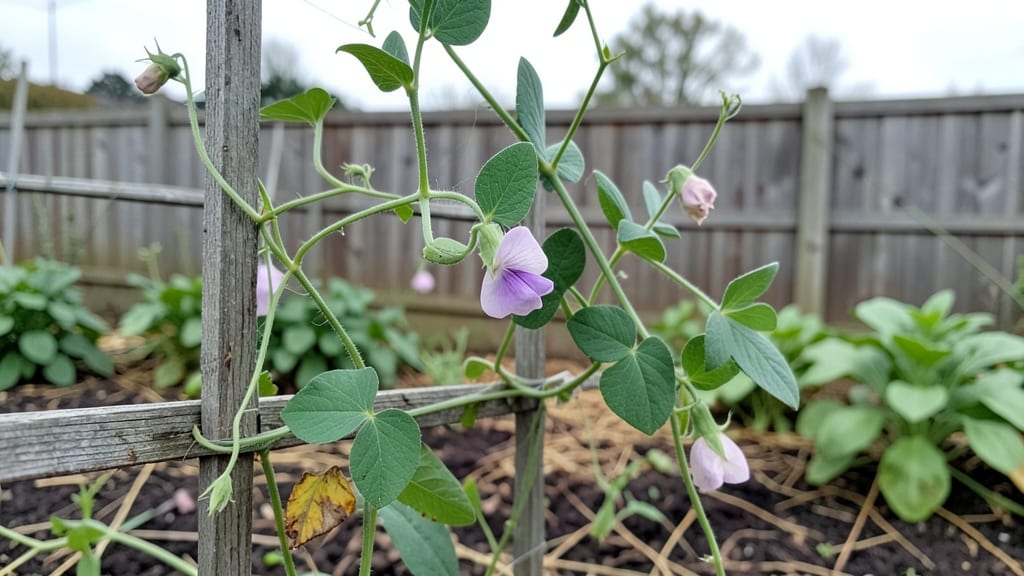
Growing garden sweet peas 🌸 transforms your yard into a fragrant, vertical garden that hums with life from spring until frost.
Imagine a trellis bursting with fragrant, colorful blooms that attract bees and butterflies while requiring almost no effort—just a little patience and the right varieties. These climbing beauties aren’t just pretty; they’re the easiest way to add height, color, and scent to any garden.
In Zone 6, planting them in March or April gives you three months of nonstop blooms, starting as early as June. Whether you’re a beginner or a seasoned gardener, sweet peas reward you with effortless beauty and a garden that feels alive.
Below, I’ll show you the top climbing varieties for continuous summer color, how to train them for maximum height, and the simple tricks to keep them blooming all season long.
Top 5 climbing sweet pea varieties for continuous summer blooms
If you dream of a fragrant vertical garden that blooms relentlessly from early summer until frost, climbing sweet peas are your answer. These heirloom varieties aren't just beautiful—they're pollinator magnets with intense fragrance that fills your garden with sweetness.
The key to nonstop blooms? Choosing the right climbing varieties that thrive in your USDA Zone 6+ climate and match your design aesthetic.
I've grown dozens of varieties, but these top 5 performers stand out for their color diversity, bloom duration, and fragrance intensity. Whether you prefer vibrant blues, romantic purples, or creamy whites, there's a variety that will make your trellis the envy of the neighborhood.
Let's dive into the specifics so you can pick the perfect sweet pea powerhouse for your garden.
🌱
| Variety | Color Palette | Bloom Time | Fragrance | Height | Sun Needs | Best For |
|---|---|---|---|---|---|---|
| 'Cupani' | Deep purple-blue with black centers | June–October | Very strong, sweet | 6–8 ft | Full sun (6+ hrs) | Cut flowers, formal gardens |
| 'Perfume Delight' | Soft pink with white centers | May–September | Extremely fragrant | 5–7 ft | Full sun to partial shade | Fragrance lovers, cottage gardens |
| 'Blue Moon' | True blue with white eye | June–Frost | Moderate, sweet | 7–9 ft | Full sun | Vertical accents, pollinators |
| 'Carnegie' | Rich crimson with black centers | June–October | Strong, spicy-sweet | 6–8 ft | Full sun | Dramatic focal points |
| 'Alaska' | White with lavender veins | May–September | Light, fresh scent | 5–7 ft | Full sun to partial shade | Early blooms, pollinators |
Each of these climbing sweet pea varieties offers something unique, but they all share one common trait: prolonged blooming. The 'Blue Moon' variety, for example, continues flowering until frost, making it a standout performer in my garden.
Its true blue blooms attract butterflies and bees like nothing else, while the 'Cupani' variety's deep purple-blue flowers create a dramatic vertical display that lasts from June through October.
For fragrance lovers, the 'Perfume Delight' variety is a must-have. Its soft pink blooms release an intense sweet scent that fills the air, especially on warm summer evenings. I've had visitors stop mid-stride just to inhale the fragrance—it's that intoxicating.
If you're growing sweet peas for cut flowers, this variety's long stems and abundant blooms make it perfect for bouquets that last weeks in a vase.
The 'Carnegie' variety brings a bold crimson color that adds dramatic contrast to any garden. Its spicy-sweet fragrance is particularly noticeable in morning sunlight, making it ideal for garden paths or trellises near seating areas.
Meanwhile, the 'Alaska' variety is my go-to for early-season color. Its white blooms with lavender veins appear as early as May, providing critical nectar for emerging pollinators when few other flowers are in bloom.
All these varieties thrive in well-draining soil with consistent moisture, but they have slightly different sunlight preferences. The 'Blue Moon' and 'Cupani' varieties demand full sun exposure
How to train and support sweet peas for maximum vertical growth
Sweet peas are climbing champions, capable of reaching 6-10 feet with the right support. Their twining vines need sturdy structures to thrive, but without proper training, they’ll sprawl or break under their own weight.
The key? A strong trellis paired with strategic pruning and seasonal care—this trio unlocks their full vertical potential while keeping blooms abundant all summer.
I’ve learned the hard way that rushing support or skipping pruning leads to tangled vines and fewer flowers. But with a step-by-step approach, you’ll guide those delicate stems upward like a pro.
Start by choosing the right trellis material (bamboo or metal lasts longest) and plant seeds near the structure—this saves time later when vines need to twine. Let’s break it down into actionable steps for healthy, sky-high sweet peas.
Don’t underestimate the power of consistent training—I once let my sweet peas sprawl, and they produced half the blooms of my trellised vines. The secret? Daily checks for new tendrils and weekly pruning to remove crowded growth.
Even in hot summers, keeping vines off the ground prevents fungal diseases like powdery mildew.
For extra fragrance, pinch back the tip of main stems when they reach 4 feet tall. This triggers side shoots, which bloom earlier and heavier.
And if your trellis sways in wind, stake it deeper or add guywires for stability—nothing ruins a sweet pea’s vertical dream like a wobbly support.
With these steps, your garden sweet peas will climb like never before, turning your vertical space into a fragrant, blooming masterpiece—and your neighbors will be jealous of your effortless summer garden. 🌸