
Blooming
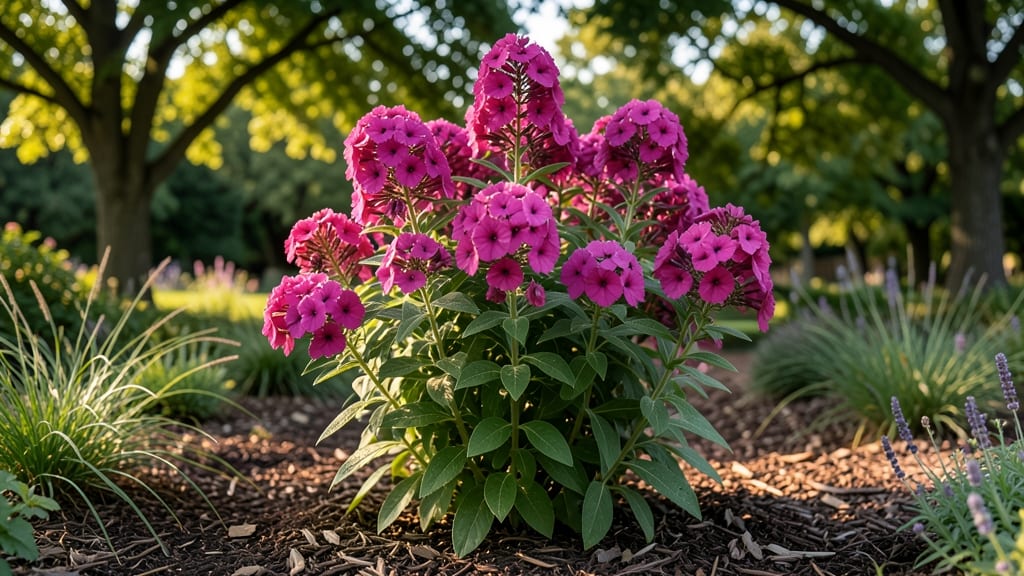
Garden phlox blooms from mid-to-late summer 🌸, turning your garden into a riot of color—but getting the timing right depends on where you live and how you care for them.
Picture this: you’ve waited all spring for your Garden Phlox to grow, only to realize they’re blooming a month earlier (or later) than expected. That’s because their timing shifts with your USDA zone, variety, and even soil conditions.
In Zone 6a, for example, most varieties peak in July, but cooler zones can stretch that window into August.
The key to extending their show? A little extra attention. Deadheading spent blooms, feeding them in spring, and ensuring they get full sun can push their season from a few weeks to nearly two months. Without these steps, you might miss their prime—or worse, watch them fade too soon.
In this guide, I’ll break down exactly when to expect blooms by region, how to coax more flowers, and the 3 biggest mistakes that cut their season short. Let’s make sure your Garden Phlox steals the spotlight when it matters most.
Garden phlox blooming seasons by variety and US hardiness Zones
Garden phlox (Phlox paniculata) is a garden staple that rewards patient gardeners with 3-6 weeks of vibrant blooms in mid-to-late summer. But the exact timing depends on variety type and your USDA hardiness zone.
In Zone 5, expect blooms from late July to August, while Zone 8 gardeners may enjoy flowers from June through September. Understanding these patterns helps you choose the right varieties for your climate and maximize your garden's seasonal interest.
Phlox comes in three main height categories: dwarf (1-2 ft), garden (2-3 ft), and tall (3-4 ft). Each category has early, mid, and late-season bloomers that can be strategically planted to create a continuous summer display.
For example, planting 'David' (early) alongside 'White Delight' (late) extends your color palette from mid-July through September. Let's break down the specifics by zone and variety.
| Variety Type | Bloom Period | USDA Zones 3-5 | USDA Zones 6-7 | USDA Zones 8-9 | Height Range |
|---|---|---|---|---|---|
| Dwarf Phlox | Early Season | Late June - Early July | Mid-June - Late July | Late May - Early August | 1-2 ft |
| Garden Phlox | Mid Season | Late July - Early August | Early July - Mid-August | June - September | 2-3 ft |
| Tall Phlox | Late Season | August - Early September | Mid-August - October | July - November | 3-4 ft |
| 'David' (Early) | Early Season | Late June - July | June - Early August | May - September | 3-4 ft |
| 'White Delight' (Late) | Late Season | August - September | July - October | June - November | 3-4 ft |
If you live in USDA Zones 3-5, focus on late-season varieties like 'Lipstick' or 'Jeana', which bloom from mid-August through September. These varieties thrive in cooler climates and often produce second flushes of blooms if deadheaded properly.
In Zones 6-7, you can enjoy a longer bloom window from June through October by mixing early, mid, and late-season types.
For Zones 8-9, phlox becomes a year-round interest plant when paired with winter-hardy varieties. Some late-season bloomers like 'Blue Moon'
How to extend your phlox blooming season with proper care
Phlox blooms are the star attractions of summer gardens, but their show doesn't have to end after a few weeks. With the right care, you can stretch their blooming season from early summer into fall.
The key lies in understanding their needs and timing interventions just right. I've learned that consistent deadheading and smart pruning can add weeks of vibrant color to your landscape.
Start by focusing on soil health and watering consistency. Phlox thrives in well-draining soil rich in organic matter. Amending your garden beds with compost before planting sets the foundation for longer-lasting blooms.
Pair this with a regular watering schedule—deep watering every 5-7 days keeps roots healthy without encouraging fungal issues.
5 Pro Tips to Extend Phlox Blooms
- 🌱 Deadhead regularly - Remove spent blooms weekly to encourage new flowers. Use clean pruners and cut just above a set of leaves.
- 💧 Water deeply - Aim for 1 inch per week during dry spells. Morning watering prevents fungal diseases.
- ✂️ Prune strategically - Cut back one-third of stems after first flush. This stimulates second blooms in late summer.
- 🌿 Fertilize lightly - Use balanced 10-10-10 fertilizer every 6 weeks. Avoid high-nitrogen formulas that promote foliage over flowers.
- 🌡️ Monitor temperatures - Protect from late frosts with row covers. Phlox blooms best in 60-75°F conditions.
My secret weapon for extending blooms is seasonal pruning. After the first flush of flowers fades, I cut back about one-third of the tallest stems to the first set of healthy leaves.
This encourages a second round of blooms that often appears in late summer. For varieties like David phlox, this technique can add 4-6 weeks to their display.
Don't overlook the power of mulching. A 2-3 inch layer of organic mulch helps retain moisture and regulate soil temperature. I use shredded bark around my phlox plants, keeping it 6 inches away from stems to prevent rot.
This simple step reduces watering needs by 30% while protecting roots from temperature swings.
For maximum impact, combine these techniques with proper sunlight exposure. Phlox needs 6+ hours of full sun daily for optimal blooming. If your garden receives less, consider planting dwarf varieties like 'Little Lamb' that tolerate partial shade better.
Just remember, morning sun is ideal—it helps dry dew quickly and reduces disease risk.
With these care strategies, you'll transform your phlox from a short-lived summer highlight to a season-long spectacle. The effort pays off with continuous color from June through September. Happy gardening—your neighbors will be asking for your phlox secrets! 🌸