
Tools
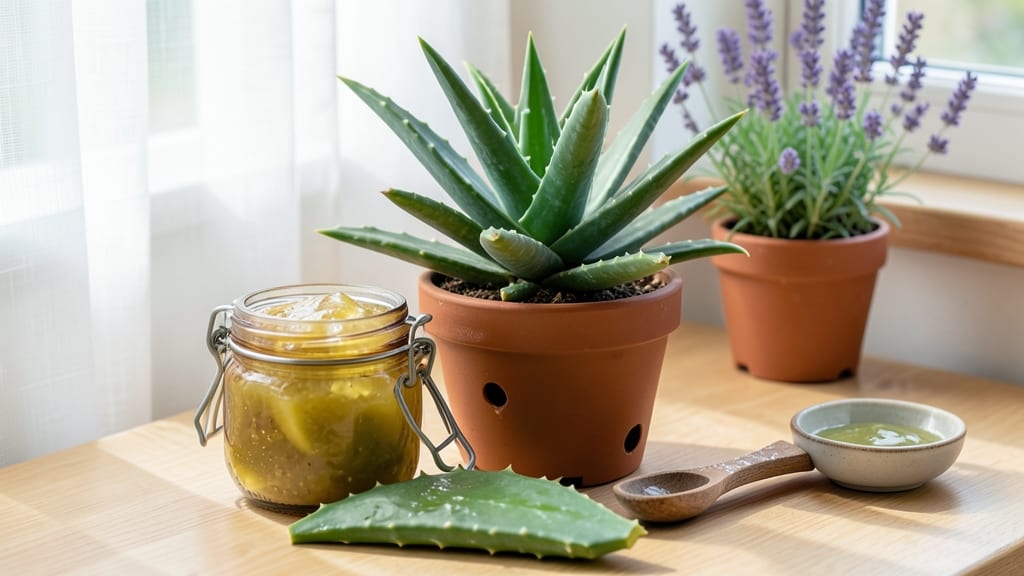
Garden skin care focuses on protecting and nourishing exposed skin from sun damage, dirt buildup, and plant oils using gentle cleansers, broad-spectrum SPF, and calming aftercare to keep skin soft and irritation-free. Cleanse first, apply sunscreen, then soothe with plant-based treatments.
Your skin faces unique challenges when you're gardening—sun exposure speeds up aging, pollen can trigger reactions, and plant oils like citrus or poison ivy may cause redness or breakouts. 🌿 The key is a three-step routine: start with a hydrating cleanser to remove grime, shield with SPF 30 or higher to block UVA/UVB rays, and finish with anti-inflammatory ingredients like aloe or chamomile to calm irritation.
I always keep a travel-sized skincare kit in my gardening bag for quick touch-ups between tasks.
For extra protection, consider wearing a wide-brimmed hat and long sleeves during peak sun hours. If you notice persistent redness or dryness, swap your aftercare to a richer plant-based serum with ceramides—these help repair your skin barrier.
The goal isn't just to cleanse but to restore, so think of your routine as both defense and recovery.
💡 In This Article
- How Sun, Pollen, and Plant Oils Damage Garden Skin
- Best Natural Ingredients for Post-Garden Skin Repair
How sun, pollen, and plant oils damage garden skin
The sun's ultraviolet (UV) rays are your skin's silent enemy while gardening. UVA rays penetrate deeply, breaking down collagen fibers that keep skin firm and elastic.
This leads to premature wrinkles and sagging over time, while UVB rays cause surface burns and trigger melanin production—leading to sunspots. 🔥 For example, just 15 minutes of unprotected sun exposure can reduce your skin's moisture by 20%, leaving it tight and prone to cracking.
Pollen and plant oils add another layer of stress. Pollen particles, especially from grasses and weeds, can clog pores and trigger allergic reactions like redness or itching.
Meanwhile, oils from plants like citrus (bergamot in lemons) or poison ivy contain urushiol, a compound that binds to skin proteins and causes contact dermatitis.
Even "harmless" plants like lavender can irritate sensitive skin due to their high linalool content—a natural oil that may cause contact dermatitis in some people.
Your skin's natural barrier also suffers from repeated exposure. The acid mantle—a protective film of sebum and sweat—gets stripped by dirt and sweat, leaving skin vulnerable to environmental aggressors. This barrier disruption is why gardeners often experience dryness, flakiness, or even eczema flare-ups.
The good news? This damage is reversible with the right aftercare, but prevention starts with understanding these specific stressors and how they interact.
Here's what happens at a cellular level: UV exposure increases free radicals, which damage DNA in skin cells and accelerate aging. Meanwhile, pollen and plant oils disrupt the skin's microbiome—the balance of good bacteria that keeps your skin healthy.
For instance, a single exposure to poison ivy can cause an immune response that lasts 7-10 days, even after washing, because urushiol penetrates skin layers within 10-30 minutes of contact.
Consider this comparison: Skin exposed to 3 hours of midday sun without protection ages 20 times faster than skin protected with SPF 30. That's why gardeners in sunny climates often see more pronounced signs of aging—like uneven texture or hyperpigmentation—compared to those who work indoors.
The key is addressing these stressors layer by layer: first with protection (SPF), then repair (hydration), and finally reinforcement (barrier support).
If you're prone to reactions, pay extra attention to plants like dandelions (which can cause contact dermatitis in some) or citrus peels (which contain photosensitizing compounds that make skin more reactive to sunlight).
Even the act of touching your face while gardening can transfer oils and pollen, leading to breakouts or irritation. This is why a two-step cleansing routine—first with an oil-based cleanser to remove plant oils, then a gentle water-based cleanser—works best for gardeners.