
Tools
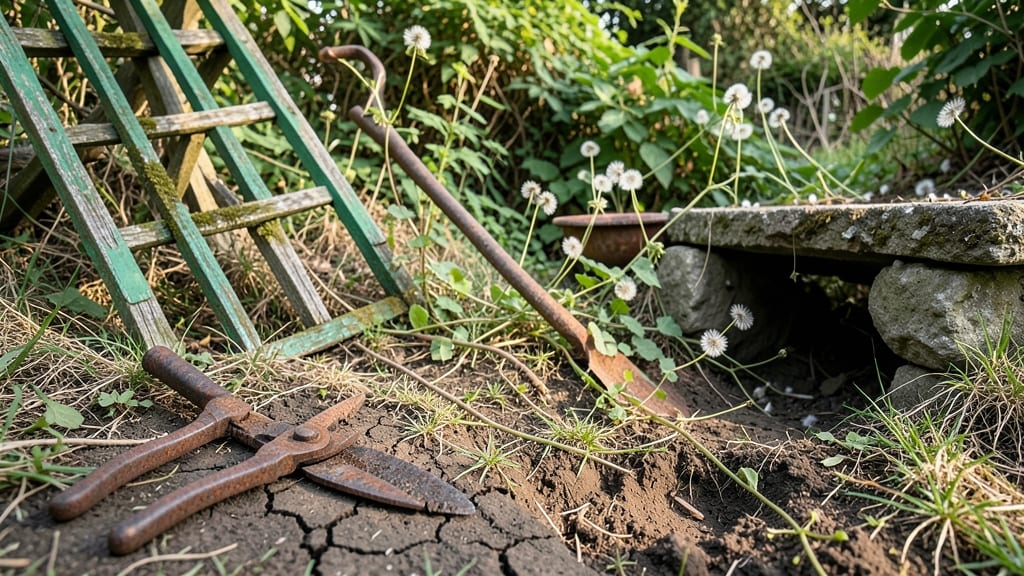
The rusted garden tool is that old, forgotten pruner or shears gathering dust until rust sets in—but don't toss it yet! With proper restoration, these tools can still handle pruning, harvesting, and trimming tasks effectively. The key lies in sanding away corrosion, applying protective coatings, and maintaining them to prevent future damage.
The term "rusted garden" actually describes a common scenario: garden tools left unused until rust forms on their blades or joints.
This happens due to exposure to moisture and oxygen over time, which weakens the metal's integrity. 🔥 The good news is that most rusted tools can be revived with basic maintenance—sanding, oiling, and protective coatings like WD-40 or specialized rust converters.
Even heavily corroded tools often respond well to these methods, making restoration both cost-effective and eco-friendly.
What many gardeners don't realize is that rusted tools can actually perform just as well as new ones once restored. The process involves more than just cleaning—it's about rebuilding the tool's structural integrity.
For example, a pair of shears with surface rust might only need a good sanding and lubrication, while deeper corrosion may require disassembly and specialized treatments. Proper maintenance after restoration can extend a tool's lifespan for years, saving money and reducing waste.
💡 In This Article
- Why Rust Develops on Garden Tools and How It Affects Performance
- Step-by-Step Rust Removal and Tool Restoration for Garden Pruners
Why rust develops on garden tools and how it affects performance
Rust forms through a chemical reaction called oxidation, where iron in metal tools reacts with oxygen and moisture in the air. This process creates iron oxide—what we call rust—which looks like reddish-brown flakes.
Garden tools, especially those made from carbon steel (common in pruners and shears), are particularly vulnerable because they lack the chromium coating found in stainless steel.
When tools sit unused in damp environments, like a garage or shed, the moisture accelerates this reaction, causing rust to spread within 24-48 hours of exposure.
The damage goes beyond aesthetics—rust weakens the metal's structure. For blades, this means reduced sharpness and increased risk of snagging plant material. Joints in tools like shears or pruners can become stiff or even seize up entirely when rust forms between moving parts.
Even a thin layer of rust can reduce a blade's cutting efficiency by up to 30%, making pruning tasks harder and less precise. The good news? Rust only penetrates about 0.001 inches per year, so surface rust is often removable with proper techniques.
What most people don't realize is that rust acts like a sponge, absorbing moisture that further accelerates corrosion. This creates a vicious cycle where the tool degrades faster over time. The texture of rusted metal also becomes rough and brittle, which can damage plant stems when cutting.
However, the key insight is that rust rarely destroys a tool completely—it just requires the right restoration process to bring it back to functional condition.
Here's what actually happens at the microscopic level: Rust forms in layers, with the outer layer often flaking off while the inner layers continue to eat away at the metal. This is why sanding isn't just about removing rust—it's about exposing fresh metal that hasn't yet been compromised.
The science behind this is called "selective corrosion," where the most reactive parts of the metal oxidize first, leaving behind a weaker structure. This is why tools with deeper rust patterns often need more aggressive restoration methods.
Consider these key factors when assessing rust damage:
- Surface rust: Thin, orange-brown flakes that can be removed with sandpaper (typically 80-120 grit)
- Moderate rust: Pitting or scaling that requires rust converters and deeper sanding (up to 220 grit)
- Severe rust: Structural weakening where metal may need replacement or specialized treatments
The beauty of rusted garden tools is that they often have better carbon content than new tools, making them sharper when properly restored. This is why many professional gardeners prefer working with restored vintage tools—they hold an edge longer than mass-produced stainless steel alternatives. 🔥