
Tools
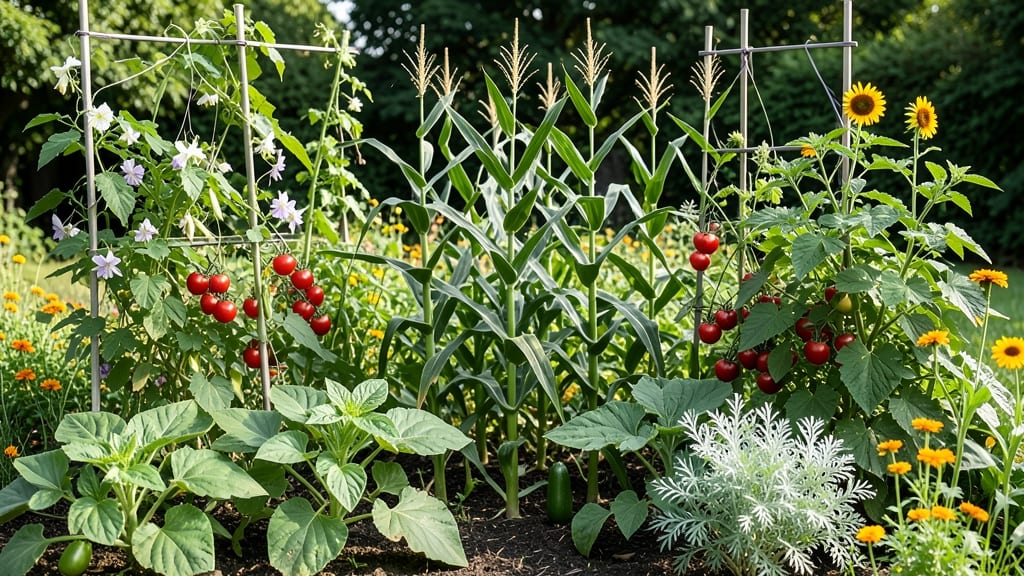
Starting an NH farm and garden means carefully choosing land with fertile soil, verifying local zoning laws, and planning crops that match New Hampshire's cool climate and short growing season. Start small with manageable plots, obtain necessary permits early, and ensure reliable water access before planting.
New Hampshire's diverse climate—from northern forests to southern valleys—means your farm's success depends on understanding microclimates and frost dates. 🌱 The state's short 120-150 day growing season favors cold-hardy crops like kale, potatoes, and broccoli, while warm-season plants need early starts indoors.
Many beginners overlook soil testing, which reveals whether your land needs amendments like compost or lime before planting. I recommend starting with a test plot of 1-2 acres to learn what works before scaling up.
Beyond planting, NH's agricultural regulations can trip up new farmers. Most towns require zoning permits for commercial operations, while home gardens usually need only basic approvals. Water rights are another critical piece—some rural areas have restrictions on well usage or irrigation systems.
Don't forget to connect with local farming cooperatives, which often offer shared equipment, mentorship, and bulk purchasing discounts for seeds and supplies.
💡 In This Article
- New Hampshire’s Growing Conditions and Best Crops
- Legal and Logistical Steps for NH Farm Setup
New Hampshire’s growing conditions and best crops
New Hampshire’s climate varies dramatically across its regions, creating distinct growing zones that dictate what you can cultivate.
The state spans from USDA Hardiness Zones 3b-4b in the north to Zone 5b-6a in the southern valleys, meaning frost dates shift from late May to early June for last spring frosts and mid-September to early October for first fall frosts.
This short 120-150 day growing season favors cold-hardy crops like potatoes, kale, and broccoli, which can tolerate cooler temperatures, while warm-season plants such as tomatoes and peppers need early starts indoors or row covers to extend the season.
The soil in NH ranges from sandy loam in coastal areas to clay-heavy in northern regions, with pH levels often needing adjustment. Most native soils are acidic (pH 4.5-5.5), which is ideal for blueberries but requires lime for vegetables like cabbage or carrots.
Conducting a soil test through the UNH Cooperative Extension (costing around $25-$35) reveals nutrient deficiencies and guides amendments like compost or fertilizer. I’ve found that amending soil with aged manure or composted leaves improves moisture retention, which is critical in NH’s unpredictable rainfall patterns.
Succession planting is your secret weapon for maximizing yields in NH’s short season. Instead of planting all your lettuce at once, stagger seeds every 2-3 weeks from early May through July to ensure a continuous harvest.
Cold-hardy greens like spinach and arugula can even be planted in late summer for fall harvests, while root crops like carrots and beets thrive in the cooler soil of early spring.
For warm-season crops, use black plastic mulch or row covers to warm the soil by 5-10°F, allowing you to plant tomatoes or peppers 2-3 weeks earlier than the traditional last-frost date.
Don’t overlook NH’s unique microclimates—south-facing slopes warm up faster, while valleys can trap cold air. I’ve seen strawberry plants thrive in southern NH where they’d struggle just 30 miles north.
Similarly, high-elevation areas (like the White Mountains) support only the hardiest crops, while the Seacoast region’s milder winters allow for extended growing seasons. Test different varieties in small plots to see what works best in your specific zone.
Herbs and perennials offer low-maintenance options for NH gardens. Chives, oregano, and thyme survive winters with minimal protection, while asparagus and rhubarb establish strong root systems in the first year and produce for decades.
For fruits, apple and pear trees are excellent choices—their cold-hardy varieties (like McIntosh or Cortland apples) thrive in NH’s climate, and they provide shade for other crops. Berries like highbush blueberries also adapt well, especially in acidic soils.
Finally, embrace NH’s four-season gardening. While summer is prime time, don’t ignore winter prep—cover crops like clover or winter rye protect soil from erosion and add nitrogen.
Greenhouses or cold frames can extend the season by 4-6 weeks on either end, while hoop houses create a protected microclimate for year-round greens. The key is balancing ambition with realism: start with what NH’s climate naturally supports, then experiment with extensions.