
Pruning
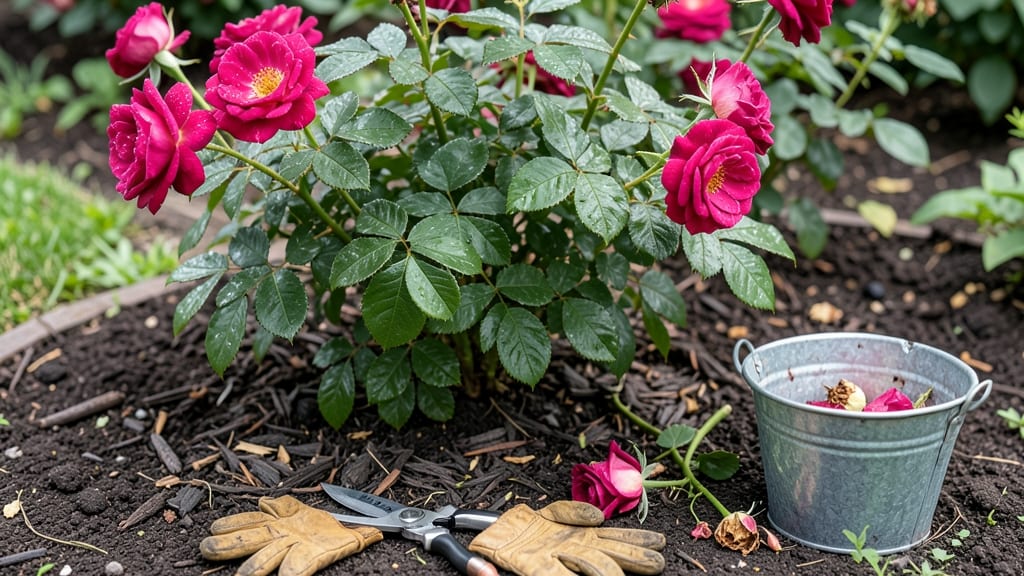
Deadheading in gardening means removing spent or fading flowers from plants to encourage new blooms, extend flowering seasons, and redirect energy into growth rather than seed production. It’s a simple pruning technique that revitalizes plants like roses, petunias, and zinnias.
When you deadhead flowers, you're essentially tricking the plant into focusing its energy on producing more blooms instead of seeds. 🌸 This technique works because plants naturally shift resources toward seed development once flowers fade—removing those spent blooms signals the plant to keep flowering.
For example, annuals like zinnias benefit from frequent deadheading, while perennials like coneflowers may only need attention after their main blooming cycle. The key is to cut just above a leaf node or bud where new growth can emerge, ensuring you don’t accidentally prune off potential side shoots.
Timing matters most—always remove faded blooms before seed pods form. This prevents the plant from wasting energy on seed production, which would otherwise shorten its flowering season.
I’ve found that using clean, sharp pruners for roses and simply pinching off spent blooms with fingers for petunias makes the process quick and effective. Just be mindful of thorny plants like roses, where gloves can prevent scratches while working.
💡 In This Article
- How Deadheading Works: Plant Biology and Bloom Stimulation
- Step-by-Step Deadheading Guide for Common Garden Flowers
How deadheading works: plant biology and bloom stimulation
At its core, deadheading exploits a plant's natural reproductive cycle. When a flower fades, the plant begins producing ethylene gas—a hormone that signals seed development.
This shift diverts energy from producing new blooms to creating seeds, which is why removing spent flowers tricks the plant into focusing on growth instead. 🌿 For instance, a single zinnia plant can produce hundreds of blooms in a season, but without deadheading, it might only flower for 6-8 weeks instead of 10-12 weeks.
The key biological mechanism involves auxin hormones, which regulate growth and development. When you remove a spent bloom, auxin levels drop in that area, stimulating nearby lateral buds to grow.
This is why you always cut just above a leaf node or bud—it ensures the plant has a clear growth point to redirect its energy. Perennials like peonies, which store energy in their roots, respond differently than annuals like marigolds, which rely on continuous flowering for reproduction.
Timing is everything—seed pods form within 7-10 days of a flower wilting, so deadheading must happen before that window. For example, roses typically need deadheading after their first bloom cycle, while zinnias benefit from weekly deadheading throughout their entire season.
The sooner you act, the more blooms you'll encourage, as the plant won't waste resources on seed production that won't mature until late in the season.
Consider the case of petunias: these plants naturally produce flowers along their stems, but without deadheading, they'll focus on seed development after just 2-3 weeks of blooming. By removing spent flowers regularly, you can extend their flowering period by 4-6 weeks, turning a short-lived annual into a long-lasting garden star.
The same principle applies to perennials like coneflowers, though they're more forgiving if you miss a cycle or two.
There's also a sensory aspect to deadheading—freshly cut stems often release a faint, sweet aroma, signaling the plant's metabolic shift. This subtle cue reminds gardeners that the plant is actively responding to their care.
The visual impact is immediate too: plants deadheaded regularly appear fuller and more vibrant, with fewer browned or wilted blooms marring their appearance. 🌸
For plants like hydrangeas, deadheading works differently because their seed heads become part of their winter interest. In these cases, you might only deadhead the spent blooms that don't contribute to the plant's ornamental value, leaving others to develop into attractive seed heads for winter gardens.
This selective approach shows how deadheading isn't one-size-fits-all—each plant has its own biological quirks.