
Tools
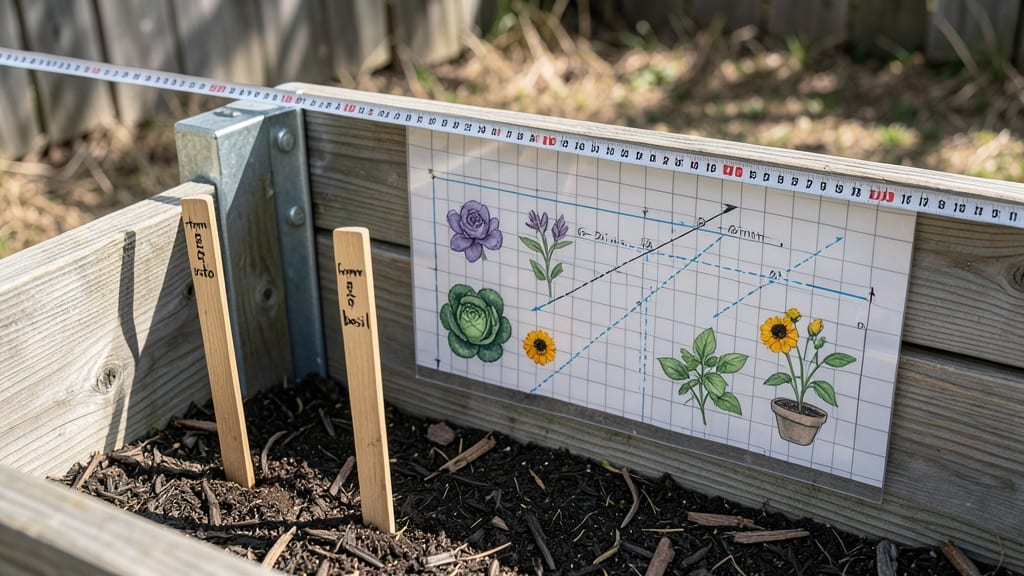
Garden bed measurements depend on plant types: vegetables need 12–18 inches of width for easy access, while flowers thrive in 18–24-inch beds to reduce soil compaction. Depth should be 6–12 inches for root systems, and length varies by garden layout—standard 4x8-foot beds balance space efficiency and maintenance ease.
Getting garden bed measurements right makes all the difference in how well your plants grow. For vegetables, narrower beds (12–18 inches wide) let you reach the center without trampling soil, while wider flower beds (18–24 inches) prevent soil from becoming compacted.
The 6–12-inch depth ensures roots have enough space to spread without hitting hardpan or rocks. 🌱 I've found that standard 4x8-foot beds work best for most home gardens—they're large enough to grow plenty but small enough to maintain without backbreaking work.
Pro tip: Use a measuring tape or string line to mark out your beds before digging. For raised beds, add 2–4 inches to the depth to account for the container's walls. If you're working with a small space, consider vertical gardening or narrow rows instead of wide beds.
💡 In This Article
- How Plant Types Influence Garden Bed Dimensions
- Designing Functional Garden Beds for Space and Productivity
How plant types influence garden bed dimensions
Root systems determine the ideal depth for your garden beds. Shallow-rooted vegetables like lettuce and radishes thrive in just 6 inches of soil, while deeper-rooted crops such as carrots or tomatoes need the full 12 inches to develop properly.
The key is matching bed depth to the plant's mature root zone—carrots, for example, can grow roots up to 16 inches long, so they need deeper beds or loose, well-drained soil to prevent forking. 🌱
Width matters just as much as depth, especially for maintenance. Vegetable beds at 12–18 inches wide let you reach the center from either side without stepping on the soil, which compacts it and damages roots.
Flowers, however, often have more sprawling growth habits and benefit from wider 18–24-inch beds—this extra space reduces soil compaction from foot traffic while allowing companion plants to thrive together. For instance, marigolds planted alongside tomatoes deter pests while sharing the same bed space efficiently.
Sunlight exposure also plays a role in spacing decisions. Leafy greens like spinach need partial shade and can be planted more densely, while sun-loving crops like peppers require 18–24 inches between plants to prevent competition.
The bed's shape affects airflow too—rectangular beds with 4-foot lengths maximize edge space (where most growth happens) while minimizing wasted center area. This is why 4x8-foot beds are a gardener's gold standard: they offer the perfect balance of productivity and accessibility.
Airflow is another critical factor influenced by bed dimensions. Taller plants like sunflowers or basil need wider beds (24+ inches) to prevent shading smaller neighbors, while compact herbs like thyme or oregano can be planted in narrower strips.
Proper spacing also reduces disease risk by improving circulation—crowded plants trap moisture, creating ideal conditions for fungal growth. I've seen powdery mildew thrive in overcrowded basil beds, but opening up the spacing by just 6 inches solved the problem entirely.
Consider companion planting when designing your layout. For example, pairing carrots with onions in a 12-inch-wide bed works beautifully—the onions deter carrot flies while the carrots' deep roots don't compete with the shallower onion roots.
This strategic pairing maximizes space while boosting yields. The same principle applies to flowers: pairing petunias (which repel aphids) with tomatoes creates a natural pest-control system without chemicals. 🌸
For container gardening, the same principles apply but with adjusted measurements. A 12-inch-deep pot works for shallow-rooted herbs, while larger 18-inch containers accommodate tomatoes or peppers. The key is ensuring the container's volume matches the plant's mature root ball—too-small containers lead to root-bound plants that struggle to absorb nutrients.
Always include drainage holes, as waterlogged roots can't breathe, leading to rot.