
Landscaping
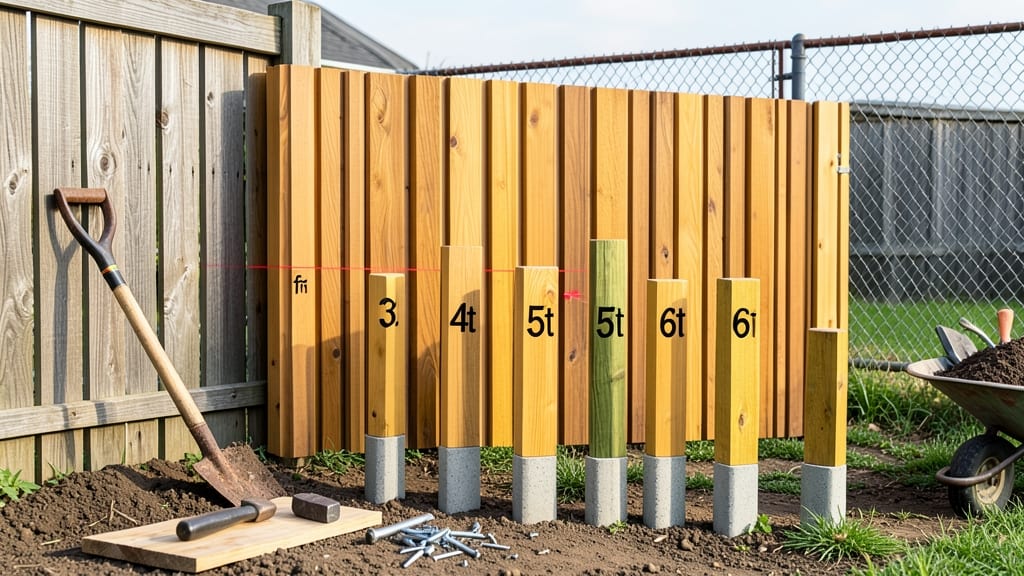
Determining how high a garden fence should be depends on balancing privacy needs with local regulations, which typically allow residential fences between 4 to 6 feet, though some areas cap heights at 6 feet or lower. Always verify zoning laws before installation to avoid costly fines or removal orders.
Fence height requirements vary widely depending on where you live—some cities enforce strict 4-foot limits for front yards while allowing 6-foot fences in backyards. 🔥 I’ve seen cases where homeowners faced fines for exceeding 5 feet without permits, so it’s worth checking your local building department’s website or calling them directly.
Even if your neighbors have taller fences, their setup might be grandfathered in under older regulations.
Beyond legalities, your fence height should align with your goals: 4 feet often suffices for pet containment and light privacy, while 6 feet becomes necessary for full privacy or security.
Materials like wood or vinyl offer more height flexibility than chain-link, which is typically limited to 6 feet in most areas. If you’re unsure, start with a 5-foot fence—it’s a safe middle ground that usually meets both privacy needs and local codes.
💡 In This Article
- Legal Fence Height Limits by Location and Zoning Laws
- Choosing the Right Fence Height for Privacy and Functionality
Legal fence height limits by location and zoning laws
Fence height regulations are primarily governed by local zoning laws, which can create a patchwork of rules even within the same state or country.
In the U.S., for example, cities like Los Angeles enforce a 6-foot maximum for residential fences, while rural areas in Texas might allow 8 feet if the fence serves agricultural purposes. The U.K. typically caps fences at 2 meters (6.5 feet), though some historic properties may apply for exemptions.
Australia varies widely—urban Sydney enforces 1.8 meters (6 feet), while regional areas might permit taller fences for livestock containment.
The key distinction lies in where the fence is located: front yard fences often face stricter limits (commonly 4 feet in the U.S.) to maintain curb appeal and visibility, while side and rear yard fences can reach 6 feet or more.
Some municipalities even differentiate between wooden fences (which may require permits) and chain-link or vinyl (often exempt from height restrictions). For instance, a 6-foot wooden fence might need a permit in suburban neighborhoods, while a 6-foot chain-link fence could be allowed without one.
Homeowners’ associations (HOAs) add another layer of complexity, often imposing their own height limits—sometimes stricter than local laws. I’ve seen HOA rules restrict fences to 4 feet in gated communities, even if the city allows 6 feet.
Always review your HOA’s covenants before installation, as violations can lead to fines or mandatory removal. 🔥 Pro tip: Check for grandfather clauses, which may allow existing fences to stay even if new constructions are restricted.
Permit requirements vary dramatically. Some areas only require permits for fences over 5 feet, while others mandate permits for any height above 4 feet. The process typically involves submitting plans to the local building department, paying a fee (often $50–$200), and sometimes attending a hearing.
In California, for example, a 6-foot fence in a residential zone might require a permit, but the same fence in a commercial area could face additional restrictions or fees.
Exemptions exist for specific uses: agricultural fences (e.g., for livestock) often bypass height limits, as do decorative fences under 1.5 meters (5 feet) in the U.K. or 4 feet in many U.S. cities.
Always ask your local authority whether your fence qualifies—some exemptions require proof of purpose, like a letter from a farmer’s association. 💫
To avoid costly mistakes, start by visiting your city or county’s building department website or calling them directly. Many offer online tools to check zoning maps, but a quick phone call can save hours of guesswork.
If you’re unsure, hire a local contractor—they’re familiar with regional nuances and can help navigate permits. Remember: ignorance of the law isn’t an excuse, so verify before you dig!