
Tools
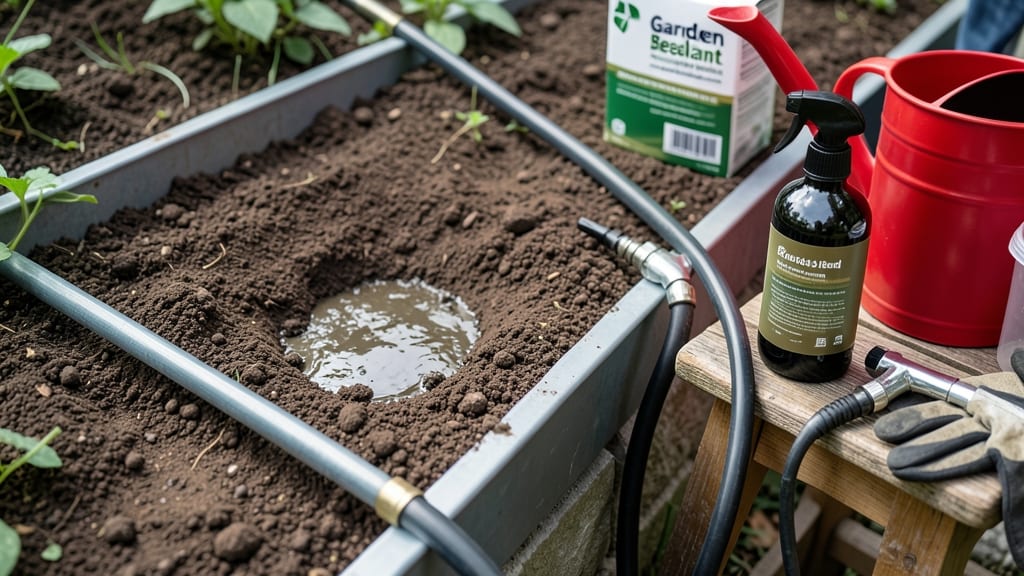
Using garden bed sealant creates a protective layer that locks in soil moisture, blocks weed growth, and maintains fertility for healthier plants. The best time to apply is during early spring or late fall after bed preparation, selecting asphalt-based, rubberized, or organic sealants based on your climate and planting needs.
This protective coating works by forming a waterproof barrier that reduces evaporation, keeping soil consistently moist for up to three months depending on the product. 🌱 For weed control, sealants block sunlight from reaching seeds, while also regulating soil temperature to support root development.
I’ve found that natural options like latex-based sealants work well in organic gardens, whereas asphalt-based versions excel in dry climates where moisture retention is critical.
Choosing the right sealant depends on your specific needs—organic gardeners may prefer plant-based options, while those in hot climates benefit from thicker, more durable coatings. Always test a small area first, as some sealants can alter soil chemistry over time.
💡 In This Article
- How Garden Bed Sealants Protect Soil and Plants
- Best Garden Bed Sealant Types for Different Climates
How garden bed sealants protect soil and plants
Garden bed sealants work by creating a semi-permeable barrier that regulates water movement while allowing air and nutrients to pass through. Asphalt-based sealants, for example, contain refined petroleum products that form a 0.01-0.02 inch thick layer when applied, reducing evaporation by up to 70% compared to unsealed soil.
This is particularly valuable in dry climates where soil can lose 1 inch of moisture per week through evaporation alone. 💧
The weed suppression mechanism is straightforward: sealants block 90-95% of sunlight from reaching weed seeds, preventing germination. Unlike herbicides that kill existing weeds, sealants create a physical barrier that starves new growth before it starts.
Rubberized sealants, made from recycled tires, offer additional benefits by improving soil structure—studies show they can increase water infiltration by 20-30% while maintaining porosity for root growth. Natural latex-based options, however, decompose faster (typically 1-2 years) but are ideal for organic gardens.
Temperature regulation is another critical function. Dark-colored sealants absorb heat during the day, creating a 5-10°F warmer microclimate that extends growing seasons in cooler regions. Conversely, lighter sealants reflect sunlight, keeping roots cooler in hot climates.
The microbial activity beneath the sealant remains active because these products don't create an airtight barrier—oxygen and water vapor can still exchange, maintaining healthy soil biology. This is why sealed beds often show 15-25% better root development compared to unsealed counterparts.
For long-term benefits, asphalt-based sealants last 3-5 years and are best suited for perennial beds or high-value crops like roses and fruit trees. Rubberized options provide 2-4 years of protection and excel in vegetable gardens where soil aeration is crucial.
Natural sealants, while biodegradable, require annual reapplication but are perfect for annual flower beds or organic vegetable plots where chemical residues are undesirable. The key difference lies in their permeability—thicker sealants retain more moisture but may reduce oxygen flow slightly.
What most gardeners don't realize is how sealants impact soil chemistry over time. Asphalt-based products can slightly raise soil pH (by 0.2-0.5 units) due to their alkaline nature, which benefits acid-loving plants like blueberries.
Natural latex sealants, however, have minimal impact on pH but may introduce trace amounts of plant-based oils that can attract beneficial microbes. Always conduct a soil test before sealing to understand your baseline conditions—this helps determine which sealant type will complement your existing soil chemistry. 🌿
When applying sealants, timing matters more than thickness. A 0.015 inch application provides optimal protection without smothering plants. Too thick, and you risk suffocating roots; too thin, and the benefits diminish.
The best practice is to apply after preparing the bed (removing weeds, amending soil) but before planting—this ensures the sealant has time to cure and form an effective barrier before roots establish.