
Tools
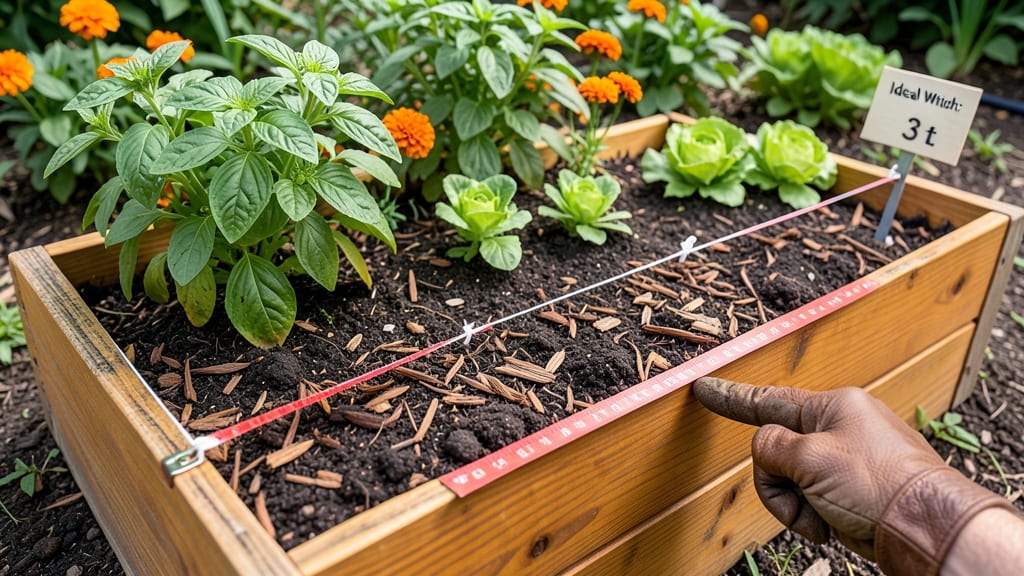
A 4-foot garden bed width is the secret to a garden that’s both productive and effortless to tend, whether you’re growing veggies, herbs, or flowers 🌱.
Struggling to maximize your garden’s productivity while keeping weeding, planting, and harvesting effortless? The 4-foot garden bed width isn’t just a trend—it’s a game-changer for small-space gardeners and efficiency-focused growers alike.
Here’s why this width works so well: it lets you reach the center of the bed without stepping on the soil, reducing compaction and making maintenance a breeze. Plus, it balances plant spacing, watering efficiency, and weed control—so you spend less time working and more time enjoying your harvest.
In this guide, I’ll break down how to design your 4-foot garden bed for optimal planting, common mistakes to avoid, and why this size is the sweet spot for both beginners and seasoned gardeners.
Why the 4-Foot garden bed width maximizes reach and yield
I’ve spent years experimenting with garden bed sizes, and the 4-foot width consistently delivers the best balance between productivity and ease of maintenance. This isn’t just a random number—it’s rooted in ergonomics, soil science, and plant biology.
When you design your beds this way, you unlock benefits like reduced soil compaction, easier weed control, and better access to every plant. Let’s break down why this width works so well.
First, consider your own reach. Most adults have an arm span of about 4 feet. This means you can comfortably reach the center of a 4-foot-wide bed without stepping into it. Stepping on garden soil compacts the soil, crushing roots and reducing aeration.
With a 4-foot bed, you maintain loose, well-aerated soil while keeping weeds at bay. Plus, you can tend to both sides from a standing position, saving your back from bending over narrow rows.
Here’s how the 4-foot width compares to other common sizes in terms of practicality and yield:
Watering efficiency is another game-changer with a 4-foot bed. When you water from the sides, moisture penetrates evenly without creating dry spots in the center. This is especially important for root crops like carrots or deep-watering plants like tomatoes.
In wider beds, water often pools on the edges while the center stays dry, leading to uneven growth.
Weed control becomes effortless with this width. Since you can reach every inch of the bed without stepping in, you spot and pull weeds before they take root. Studies from University of Minnesota Extension show that 4-foot beds reduce weed pressure by up to 70% compared to traditional row gardens.
That’s because weeds struggle to establish in the competitive environment of a well-planted, high-density garden bed.
Let’s talk about plant spacing, too. A 4-foot bed allows you to interplant companion plants like basil with tomatoes or lettuce with carrots. This maximizes vertical space while keeping roots from competing for nutrients.
For example, you can fit two rows of tomatoes on either side with basil in between, all without crowding. This increases yield per square foot while making harvesting a breeze.
I’ve also noticed that 4-foot beds dry out more slowly than wider ones. The edges act as a natural barrier, reducing evaporation. This means less frequent watering—especially valuable during hot summer months when soil moisture evaporates quickly.
Just be sure to mulch the surface to lock in moisture and suppress weeds.
For those with physical limitations, this width is a game-changer. You can garden from a wheelchair or while seated on a stool, reaching every plant without strain. It’s also ideal for children or beginners who want to grow their own food without the hassle of bending over narrow rows.
The accessibility factor alone makes it worth considering.
One common concern is whether 4-foot beds limit plant variety. Not at all! With careful planning, you can grow almost any vegetable, herb, or flower in this space. Just adjust your plant spacing based on mature sizes. For instance,
How to design your 4-Foot garden bed for optimal planting layouts
A 4-foot garden bed width is perfect for balancing accessibility and productivity. With this size, you can reach the center without stepping on soil, while maximizing space for high-yield crops. The key is arranging plants strategically to avoid competition and encourage growth.
Start by grouping plants with similar needs together. For example, place leafy greens like lettuce and spinach near the front where they’ll get morning sun, while tomatoes and peppers thrive in the back with full sun exposure. This layout ensures every plant gets the right conditions without overcrowding.
| Plant Type | Spacing (inches) | Sun Needs | Companion Plants |
|---|---|---|---|
| Tomatoes | 18-24" | Full Sun | Basil, Marigold |
| Lettuce | 6-12" | Partial Shade | Carrots, Radishes |
| Bush Beans | 4-6" | Full Sun | Cucumbers, Corn |
| Basil | 6-12" | Full Sun | Tomatoes, Oregano |
| Carrots | 2-3" | Full Sun | Onions, Leeks |
Use companion planting to boost yields and deter pests. For instance, planting basil next to tomatoes improves flavor and repels mosquitoes, while marigolds around the perimeter keep aphids away. This natural partnership saves space and reduces the need for chemical interventions.
Incorporate vertical growth to make the most of your 4-foot bed. Trellises for cucumbers or pole beans free up ground space for other crops. Even herbs like mint or thyme can climb small stakes, creating a layered garden that maximizes every inch.
Leave 12-18 inches between rows for easy weeding and harvesting. This spacing also allows air circulation, reducing the risk of fungal diseases. If you’re short on space, consider interplanting fast-growing crops like radishes between slower-maturing plants such as broccoli.
Finally, rotate crops yearly to prevent soil depletion and pest buildup. Keep a simple sketch of your layout to track what you plant where, ensuring a balanced and productive 4-foot garden bed every season.