
Planting
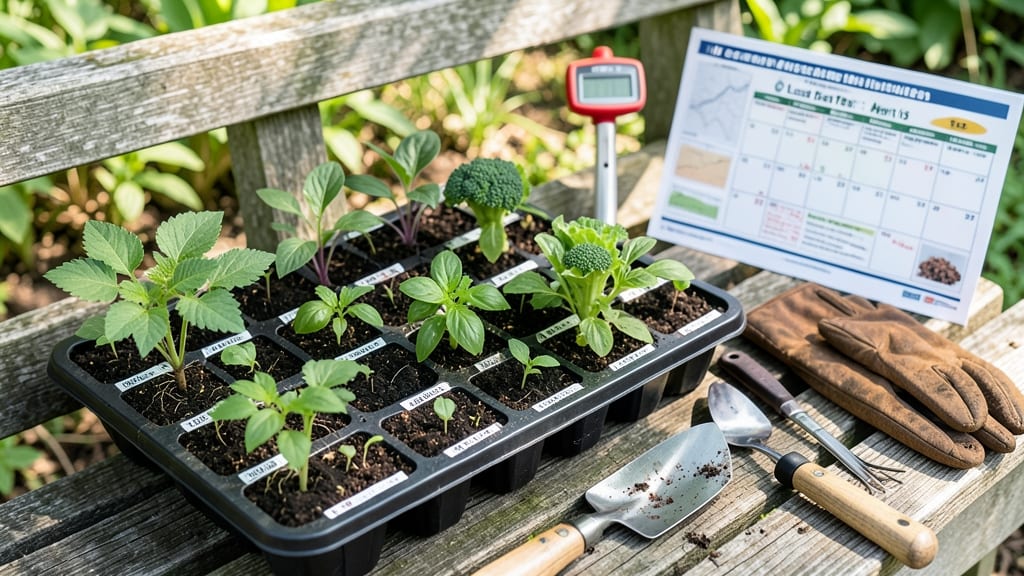
To plant a vegetable garden in NJ at the perfect time means timing it with your last frost dates—usually mid-April in most zones, but earlier along the coast and later in the hills.
New Jersey gardeners know timing is everything—plant too early and frost will wipe out your hard work, but wait too long and you’ll miss peak harvests.
Whether you’re growing tomatoes in the Pine Barrens or peppers in the Meadowlands, getting the schedule right is the difference between a bountiful harvest and a sad, half-dead garden.
Cool-season crops like lettuce and peas can go in as early as mid-March, while warm-season favorites like tomatoes and peppers need to wait until two weeks after your last frost. The USDA zones 6b-7a add another layer, with coastal areas warming faster than inland spots.
Below, I’ll break down the exact planting windows for your zone, plus tips for adjusting when Mother Nature throws a curveball—because even in NJ, the weather doesn’t always follow the calendar.
NJ last frost dates by hardiness zone: exact timelines for planting
New Jersey spans USDA hardiness zones 6b through 7a, meaning frost dates vary dramatically from north to south. In northern NJ (Morris County), gardeners typically see their last spring frost around April 25-30, while central NJ (Mercer County) averages April 15-20.
The southern coast (Cape May) enjoys a much longer season, with last frosts often delayed until May 5-10. These differences can mean the difference between a thriving tomato crop and a sad, frost-nipped failure.
Understanding these microclimates is crucial because even within a single county, frost timing can shift by 5-7 days. For example, coastal areas like Atlantic City may experience last frosts 2 weeks earlier than inland spots due to ocean moderation.
Meanwhile, higher elevations in the Appalachian foothills can see frost 10 days later than nearby valleys. Always check local weather reports for 3-year averages from your specific ZIP code.
Here’s the critical timeline you need to know for each NJ region, including safe planting windows for both cool-season and warm-season crops:
For cool-season crops like spinach and peas, I recommend starting seeds 4-6 weeks before your average last frost.
In northern NJ, that means mid-March, while southern gardeners can wait until early April. Warm-season crops like tomatoes and peppers need to wait until 2-3 weeks after your last frost date—so if your region averages April 20, hold off until May 5 to avoid frost damage.
One trick I’ve used for 10+ years is planting bush beans and lettuce in gradual successions every 2 weeks after the last frost. This ensures a steady harvest instead of one big bumper crop.
For example, in Mercer County, I’ll plant lettuce on April 15, April 30, and May 15 to stretch the harvest through June. The key is tracking your local frost history—not just relying on averages.
Don’t forget about first frost dates for fall planting! Northern NJ typically sees frost by October 15-20, while southern areas can extend until November 1-5. This means you’ve got a 160-200 day growing window in most of NJ—plenty of time for two full harvests
Best vegetables to plant after last frost in NJ (with ideal timing)
Once NJ’s last frost passes—typically around April 15 in most regions—your vegetable garden can finally get busy! The 140-200 frost-free days in NJ give you plenty of time for both warm-season staples and cool-season succession crops.
Knowing which veggies thrive in this window ensures a continuous harvest from summer through fall.
Warm-season crops like tomatoes, peppers, and cucumbers need consistent warmth, while bush beans and squash tolerate heat better than others. Meanwhile, spinach, peas, and lettuce can still be sown in early spring or late summer for fall harvests. The key is matching your plant’s days-to-maturity with NJ’s growing season.
- 🍅 Tomatoes – Plant 2-3 weeks after last frost (May 1-15) for 75-90 days to harvest. Choose heat-tolerant varieties like 'Celebrity' or 'Solar Fire'.
- 🌶️ Peppers – Start seeds indoors in March or transplant 4-6 weeks after last frost (late May). Needs full sun and warm soil.
- 🥕 Cucumbers – Sow 1-2 weeks after last frost (early May) for 50-65 days to harvest. Use trellises to save space.
- 🌽 Corn – Plant 2-3 weeks after last frost (May 1-15) in blocks for pollination. Harvest in 60-90 days.
- 🥬 Bush Beans – Direct sow 2-3 weeks after last frost (May 1-15) for 50-60 days to harvest. Perfect for succession planting every 2 weeks.
For a continuous harvest, practice succession planting—sow quick-maturing crops like radishes (25 days) or bush beans (50 days) every 2 weeks after the last frost.
This keeps your garden productive even as early varieties bolt or produce less. Pair heat-lovers like eggplant and okra with shade-tolerant greens for a balanced plot.
Don’t forget about fall planting! After August 1, switch to cool-season crops like kale, carrots, and spinach for harvests before the first frost. These thrive in 50-70°F soil and can handle light frosts. Use row covers if nights dip below 25°F.
Pro tip: Test your soil’s pH (6.0-7.0) and add compost before planting. Warm-season crops need phosphorus-rich fertilizer at transplanting, while cool-season crops benefit from nitrogen for leafy growth. Mulch with straw or grass clippings to retain moisture and regulate soil temperature.
With NJ’s long growing season, you can enjoy fresh veggies from June through October—or even longer with a high tunnel or cold frame. Start with these high-yielding varieties, and soon your garden will be the envy of the neighborhood! 🌱