
How To
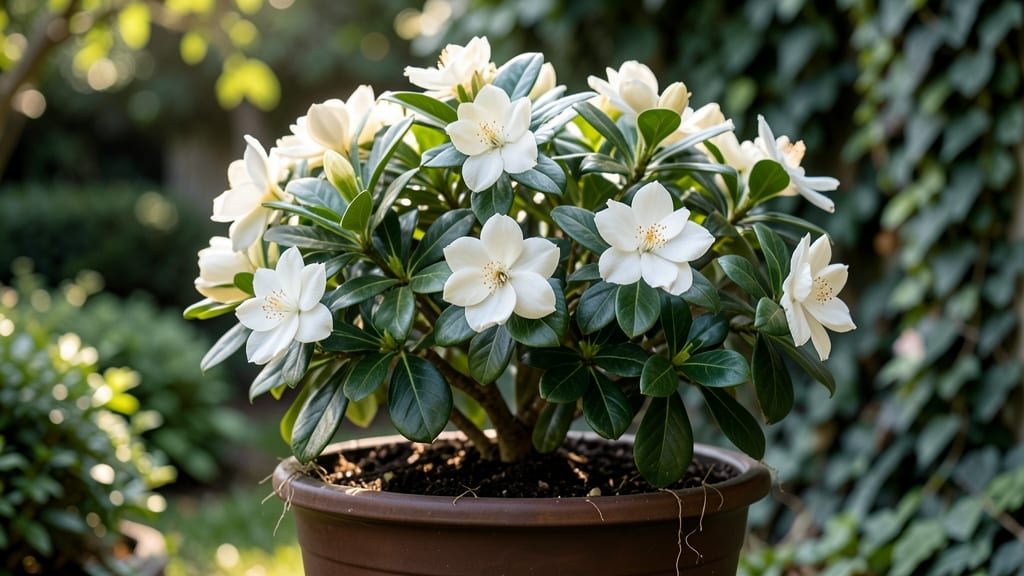
Gardenias grow to sizes that range from compact shrubs to towering small trees, depending on the variety and growing conditions 🌸 — here’s what to expect from your plants.
If you’re dreaming of fragrant gardenias but wondering whether they’ll dwarf your backyard—or fit perfectly in a patio planter—you’re in the right place. These plants vary wildly, from 3-foot dwarf varieties to 20-foot giants, and knowing their mature dimensions is key to planting success.
Most gardenias, like the classic Gardenia jasminoides, reach 4 to 6 feet tall at maturity, making them ideal for hedges or as standalone focal points. But some, like Gardenia radicans, stay low and trailing, perfect for containers or ground cover.
Below, I’ll break down how to manage their growth—whether through pruning, spacing, or choosing the right variety—so you can get the perfect-sized gardenia for your space.
Gardenia variety heights: from dwarf to giant sizes explained
When planning your garden, gardenia size matters more than you might think. Some varieties stay compact enough for container gardening, while others grow into small trees that need yard space.
The G. jasminoides (common gardenia) typically reaches 6–10 feet tall, but dwarf types like 'Radicans' trail just 3–5 feet. Understanding these differences helps you choose the perfect variety for your space and care style.
Gardenias aren’t one-size-fits-all—some varieties grow vertically like trees, while others spread horizontally as ground covers. The G. augusta (a tropical relative) can even reach 20 feet in ideal climates, making it a statement plant for large gardens.
Meanwhile, 'Kleim's Hardy' stays under 5 feet, perfect for small yards or foundation plantings.
Here’s the key: Soil acidity, pruning habits, and climate zones all influence how big your gardenia grows. For example, G. radicans thrives as a trailing shrub in warm zones but may struggle in cooler areas unless protected.
Let’s break down the most popular varieties and their mature sizes so you can pick the right one for your garden.
🌸
| Variety | Mature Height | Spread | Growth Habit | Best For |
|---|---|---|---|---|
| G. jasminoides 'Kleim's Hardy' | 3–5 ft | 3–4 ft | Bushy shrub | Small yards, containers |
| G. radicans | 3–5 ft | 6–10 ft (trailing) | Trailing vine | Hedges, slopes, containers |
| G. jasminoides 'Veitchii' | 6–10 ft | 4–6 ft | Upright shrub | Privacy screens, large gardens |
| G. augusta | 15–20 ft | 10–15 ft | Small tree | Tropical landscapes, large estates |
| G. jasminoides 'Fortuniana' | 4–6 ft | 4–5 ft | Bushy, rounded | Foundation plantings, borders |
| G. jasminoides 'Mystery' | 3–4 ft | 3–4 ft | Compact bush | Patio planters, small spaces |
| G. jasminoides 'Radicans' | 3–5 ft | 8–12 ft (trailing) | Trailing shrub | Vertical gardens, trellises |
| G. jasminoides 'Prosperity' | 6–8 ft | 5–6 ft | Upright, dense | Screening, large borders |
| G. jasminoides 'Veitchii' | 8–12 ft | 6–8 ft | Tall shrub/tree | Specimen plant, large gardens |
| G. jasminoides 'Kleim's Hardy' | 3–5 ft | 3–4 ft | <