
Pruning
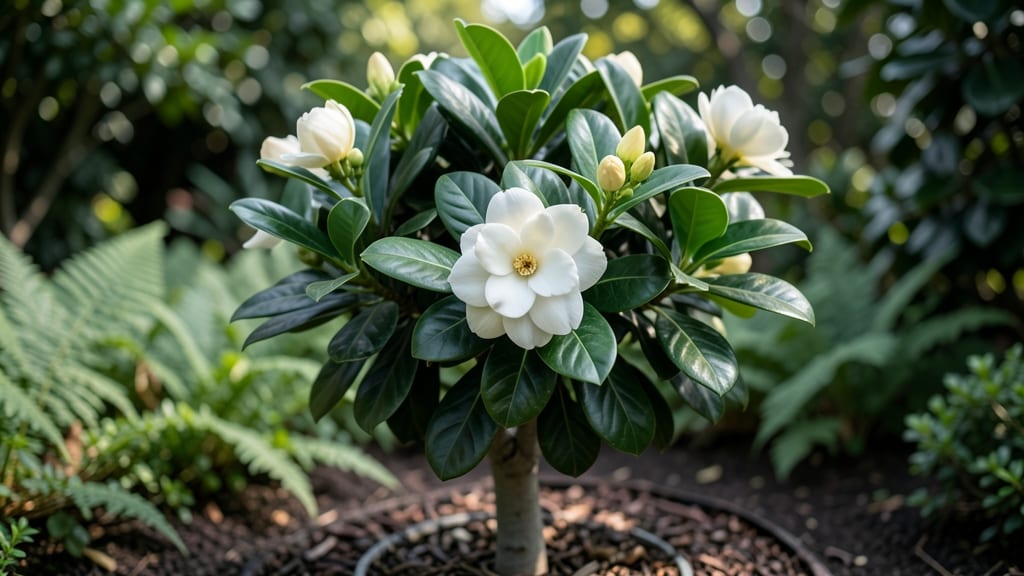
A gardenia tree’s size can range from a compact 3-foot shrub to a towering 15-foot specimen—and the difference often comes down to the variety you choose.
If you're dreaming of fragrant blooms but worried about whether a gardenia tree will overwhelm your yard, knowing its mature size is key to planning your perfect garden space. Some varieties stay small enough for containers, while others need room to sprawl.
Most gardenias grow between 6 and 12 feet at maturity, but pruning and soil conditions can shrink or stretch that range. For example, the Kleim’s Hardy stays around 6-8 feet, while Radicans can reach 10-12 feet without intervention.
In this guide, I’ll break down how to pick the right size for your space, from dwarf varieties for patios to full-size trees for landscapes, plus how care habits shape their growth.


How tall do gardenia trees grow? Mature size by variety explained
Choosing a gardenia tree means balancing your love for their intoxicating fragrance with practical space considerations. These evergreen beauties come in stunning varieties with dramatically different mature sizes, from compact patio dwarfs to towering garden centerpieces.
Understanding these size ranges helps you select the perfect specimen for your landscape or container garden.
Most gardenia trees reach maturity between 5 to 15 feet, but their growth habits vary widely. Dwarf varieties stay under 4 feet, while standard types can easily exceed 10 feet in ideal conditions.
The key difference lies in their genetic growth patterns and how you manage them through pruning and care.
🌿 Visual Comparison: Imagine a 'Baby Doll' gardenia (3-4 ft) sitting comfortably on your balcony versus a 'Radicans' (10-12 ft) dominating your backyard like a fragrant sentinel. The right choice depends entirely on your space and vision.
| Variety | Mature Height | Spread | Growth Rate | Best For |
|---|---|---|---|---|
| 'Baby Doll' | 3-4 ft | 3-4 ft | Slow | Containers, patios |
| 'Veitchii' | 4-5 ft | 4-5 ft | Moderate | Small gardens |
| 'Kleim's Hardy' | 6-8 ft | 5-7 ft | Moderate | Backyard borders |
| 'Radicans' | 10-12 ft | 8-10 ft | Fast | Large landscapes |
| 'Fortuniana' | 12-15 ft | 10-12 ft | Fast | Specimen planting |
Let's start with the dwarf varieties perfect for small spaces. The 'Baby Doll' gardenia typically matures at just 3-4 feet tall and wide, making it ideal for container gardening on patios or balconies.
Its compact size doesn't compromise its ability to produce heavily fragrant blooms, though you'll need to prune lightly to maintain its shape.
For slightly larger areas, consider 'Veitchii', which reaches 4-5 feet in both height and spread. This variety thrives in USDA zones 8-11 and develops a more bushy, rounded habit than its taller cousins. Its glossy dark leaves and creamy white flowers make it a showstopper in mixed borders.
When you're ready to make a statement, 'Kleim's Hardy' offers the perfect balance. This cold-hardy cultivar grows to 6-8 feet tall with a 5-7 foot spread, making it suitable for backyard planting or as a privacy screen.
Its ability to tolerate cooler temperatures (down to 15°F) sets it apart from many gardenias.
The 'Radicans' variety represents the upper limit for most home gardens, reaching 10-12 feet tall with an equally impressive spread. This vigorous grower produces large, highly fragrant blooms that attract pollinators while creating a dramatic focal point in your landscape.
Its rapid growth means you'll enjoy quick visual impact, though regular pruning is essential to manage its size.
At the extreme end of the spectrum, 'Fortuniana' can grow to 12-15 feet in ideal conditions, making it better suited for large estates or commercial landscapes. This variety produces extra-large blooms with intense fragrance, but its size requires careful planning regarding root space and sunlight.
Plant it where it can spread its branches without obstruction.
Remember that these are general guidelines—actual size depends on growing conditions. With proper care, even a 'Baby Doll' can reach slightly beyond its typical range, while a 'Radicans' might stay smaller in limited sunlight.
The beauty of gardenias lies in their adaptability and how you choose to shape their growth through
Factors that influence gardenia tree size and growth rate
Your gardenia tree's final height isn't set in stone—it's shaped by a mix of nature and nurture. Sunlight exposure, pruning habits, and soil quality all play starring roles in determining whether your plant stays compact or stretches toward the sky.
Even the climate zone where you live (think USDA zones 8-11) can push growth rates faster or slower. Let's break down how each factor impacts your gardenia's growth trajectory and what you can control.
First, consider sunlight exposure—gardenia trees thrive with 4-6 hours of morning sun but need afternoon shade in hotter zones.
Too much direct sun can stress the plant, slowing growth, while too little light leads to leggy, weak stems. Container-grown gardenias often stay smaller because their root systems are restricted, but they still need bright, indirect light to reach their potential size.
Balancing light is key to maintaining healthy, proportional growth.
🌱
Garden Size Management: Pros and Cons
✅ Pruning for Compact Growth
- Pros: Controls height, encourages bushier growth
- Cons: Over-pruning reduces blooms
✅ Full Sun Exposure
- Pros: Faster growth, more blooms
- Cons: Risk of leaf scorch in hot climates
✅ Acidic Soil (pH 5.0-6.5)
- Pros: Optimal nutrient uptake, vibrant blooms
- Cons: Requires regular soil testing and amendments
⚠️ Container Growth
- Pros: Ideal for small spaces, easy mobility
- Cons: Limited root space restricts size
⚠️ Over-Fertilizing
- Pros: Rapid foliage growth
- Cons: Fewer blooms, potential root burn
⚠️ Cold Climates (USDA 7 or below)
- Pros: N/A
- Cons: Slower growth, potential winter damage
Pruning is your secret weapon for controlling gardenia tree size. Regular pruning in late winter or early spring encourages denser growth and prevents your plant from becoming top-heavy. Always use sterilized shears and cut just above a leaf node to promote new shoots.
For container gardenias, prune more aggressively to keep them within pot limits, but avoid cutting more than one-third of the plant at once to prevent shock. Timing matters too—prune after flowering to avoid removing next season's buds.
Soil quality is another game-changer. Gardenias demand acidic, well-draining soil with a pH between 5.0 and 6.5. If your soil is alkaline, amend it with peat moss or sulfur to create the perfect environment.
Poor soil leads to stunted growth, yellowing leaves, and fewer blooms. Mulching with pine bark or compost helps maintain soil acidity and retains moisture, which is especially important in USDA zones 9-11 where evaporation rates are high.
Climate plays a surprising role too. Gardenias in USDA zones 8-11 grow faster due to longer growing seasons, while those in cooler zones may take 2-3 years to reach half their mature height.
In hot climates, provide afternoon shade to prevent leaf burn, which can slow growth. Container gardenias in these zones may need winter protection, further limiting their size potential. Always choose a variety suited to your climate—'Kleim's Hardy' thrives in cooler zones, while 'Radicans' loves heat.
Finally, don't underestimate the power of container limitations. Gardenias in pots stay 30-50% smaller than their in-ground counterparts because their roots can't spread.
Choose containers at least 18 inches wide and upgrade sizes every 2-3 years to accommodate growth. Root-bound plants grow slowly and produce fewer blooms, so repot when you see roots circling the bottom of the pot.
With the right care, even container gardenias can reach their variety's potential height—just give them time and space to thrive.
☀️