
Plants
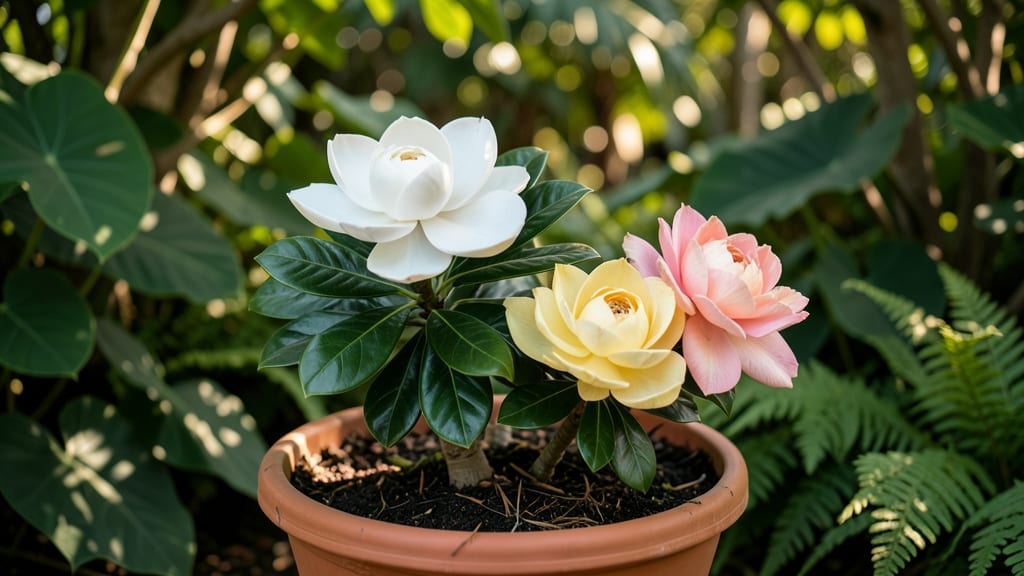
Gardenias do come in different colors, with white being the most common, but rare varieties showcase blush pink, cream, golden yellow, and even deep burgundy hues. Unique petal patterns like stripes or edges enhance their visual appeal, and these variations stem from specific species or growing conditions.
While white gardenias dominate most nurseries, nature actually offers a stunning spectrum of colors that can transform your garden. 🌸 The key to finding these rarer varieties lies in their botanical origins—some species, like G. jasminoides, naturally produce cream or pale yellow blooms, while others develop deeper tones through selective breeding.
For example, the 'Radicans' cultivar features striking pink edges, while 'Veitchii' showcases a delicate blush center. These color variations aren't just about aesthetics; they often indicate different growing needs, with some requiring more sunlight or acidic soil to maintain their vibrant hues.
What's fascinating is how these colors develop—they're influenced by both genetics and environmental factors.
A gardenia's pigmentation is determined by specific anthocyanin compounds in its petals, which can shift based on temperature, sunlight exposure, and even water quality. 💫 For instance, a gardenia grown in cooler climates might produce softer pastel shades compared to its tropical counterparts.
If you're hoping to grow rare-colored gardenias, focus on sourcing from specialty nurseries that offer named cultivars, as these are more likely to deliver the exact hues you're after.
💡 In This Article
- Gardenia Color Variations by Species and Genetics
- How to Identify and Grow Rare-Colored Gardenias
Gardenia color variations by species and genetics
The gardenia's iconic white blooms are the result of a natural dominance in pigmentation genetics. Most gardenias, particularly the widely cultivated Gardenia jasminoides, produce white flowers due to a lack of anthocyanin pigments in their petal cells.
These pigments—responsible for red, purple, and blue hues in other flowers—are either absent or suppressed in most gardenia species. However, nature has introduced fascinating exceptions through genetic mutations and selective breeding, creating colors like blush pink, cream, and even golden yellow.
For example, the 'Radicans' cultivar displays striking pink edges on its white petals, a trait linked to a partial expression of anthocyanin genes. Meanwhile, the 'Veitchii' variety often exhibits soft cream centers, demonstrating how subtle genetic variations can alter pigment distribution.
Tropical gardenia species, like Gardenia augusta, sometimes produce deeper burgundy or maroon tones, thanks to higher concentrations of anthocyanins in their petal cells—though these are rare in commercial varieties due to their delicate growing requirements.
The science behind these colors lies in how gardenias produce and distribute pigments. White gardenias lack anthocyanins but may contain other compounds like flavonoids that create subtle off-white or ivory tones.
When colors do appear, they often result from genetic modifications that either introduce new pigment pathways or alter existing ones. For instance, a gardenia with pink edges might have a localized increase in anthocyanin production near the petal margins, while the center remains white due to suppressed pigment formation.
Gardeners can influence color intensity through environmental factors. Cooler temperatures often enhance pastel shades, while warmer climates may deepen hues slightly. Soil pH also plays a role—gardenias thrive in acidic conditions (pH 5.0-6.5), and proper acidity helps maintain vibrant colors.
For example, a gardenia grown in slightly alkaline soil might produce paler blooms compared to one in optimal acidic conditions. This is why specialty growers often monitor soil chemistry closely when cultivating rare-colored varieties.
Consider these key botanical factors when exploring gardenia colors:
- Genetic heritage: Most color variations come from specific cultivars or hybrid lines, not wild types.
- Pigment pathways: Anthocyanins determine deeper colors, while their absence creates whites and creams.
- Environmental triggers: Light, temperature, and soil chemistry can subtly alter natural pigmentation.
What's particularly exciting is how new colors continue to emerge through modern breeding techniques. Researchers are now using genetic mapping to identify the specific genes responsible for color variations, potentially unlocking even more vibrant gardenia hues in the future. 💫